
Practical advice · Real experience
Why Used-Car Dealers Do Not Always Negotiate Like They Used To
A good deal isn’t always a dramatic discount. Many used cars are priced against the live market and reviewed as they sit in stock, so it often makes more sense to discuss the whole deal and any genuine work the car needs.
Ask whether the car is fairly priced against genuine alternatives, then discuss real issues with the car or the preparation. Keep the part exchange, finance and replacement price visible as separate figures. There’s no need for theatrical haggling.
How modern pricing works
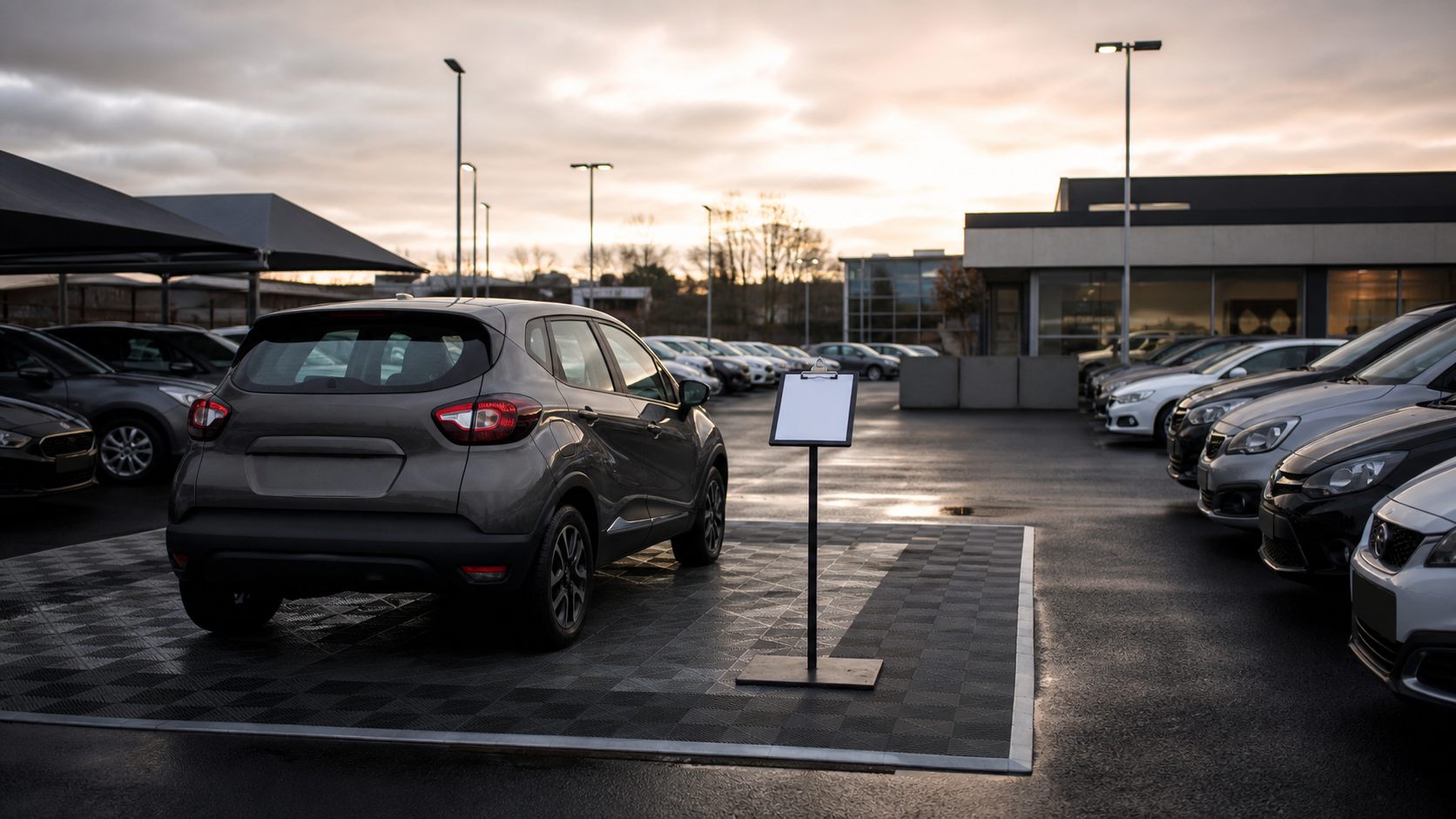
Many dealers now use live market data, comparable stock and stock-age policies rather than adding a large fixed margin for a long negotiation. If the market moves or a car sits for a while, the advertised price may already have been adjusted.
That doesn’t mean every price is immovable. It means the room available differs from car to car, and the salesperson may genuinely have little left in the advertised figure.
Look at the whole cost to change
If you have a part exchange, don’t focus on its allowance in isolation. Compare the replacement-car price, your settlement, deposit, finance structure and the actual balance to change. A higher allowance can be paired with less movement elsewhere.
Finance deserves the same care: understand deposit, term, APR, total amount payable, fees and any final payment. The monthly number alone isn’t the whole agreement.
When a conversation is useful
A genuine defect, worn tyre, damaged wheel, missing key, due service or agreed repair is a sensible point for discussion. Ask whether the work can be completed, priced in or recorded before collection.
If the price won’t move, it can still be reasonable to ask whether a necessary service, MOT, tyre, wheel repair or documented preparation can be included. Don’t assume something must be thrown in.
Stock age and quick sellers
A car that’s fresh, scarce or attracting enquiries may have little scope because the dealer expects it to sell. A car that has been in stock longer can be reviewed differently, but stock age is only one factor; it isn’t a guaranteed discount code.
Good buyers research comparable cars, recognise fair condition for the age and value, and decide whether they actually want this example. That’s stronger than trying to “win” every line of the deal.
The Forecourt Insider View
A sensible negotiation is straightforward and based on the car in front of you. Check it before discussing numbers, raise real concerns and make sure every agreed item is written down. You want a car and agreement that still make sense on collection day.