
Practical advice · Real experience
When NOT to DIY: Jobs Best Left to a Professional
Working on your own car can save money and teach you a lot, but the sensible decision is sometimes to stop. Safety, the right equipment and the consequences of a mistake matter more than proving you can finish every job yourself.
DIY suits straightforward, low-risk work that you understand and can complete with the correct tools and information. Brakes, airbags, high-voltage systems, internal engine timing, structural repairs and work underneath a vehicle demand a much higher level of competence. If the job moves beyond your knowledge or equipment, stop and use a competent professional.
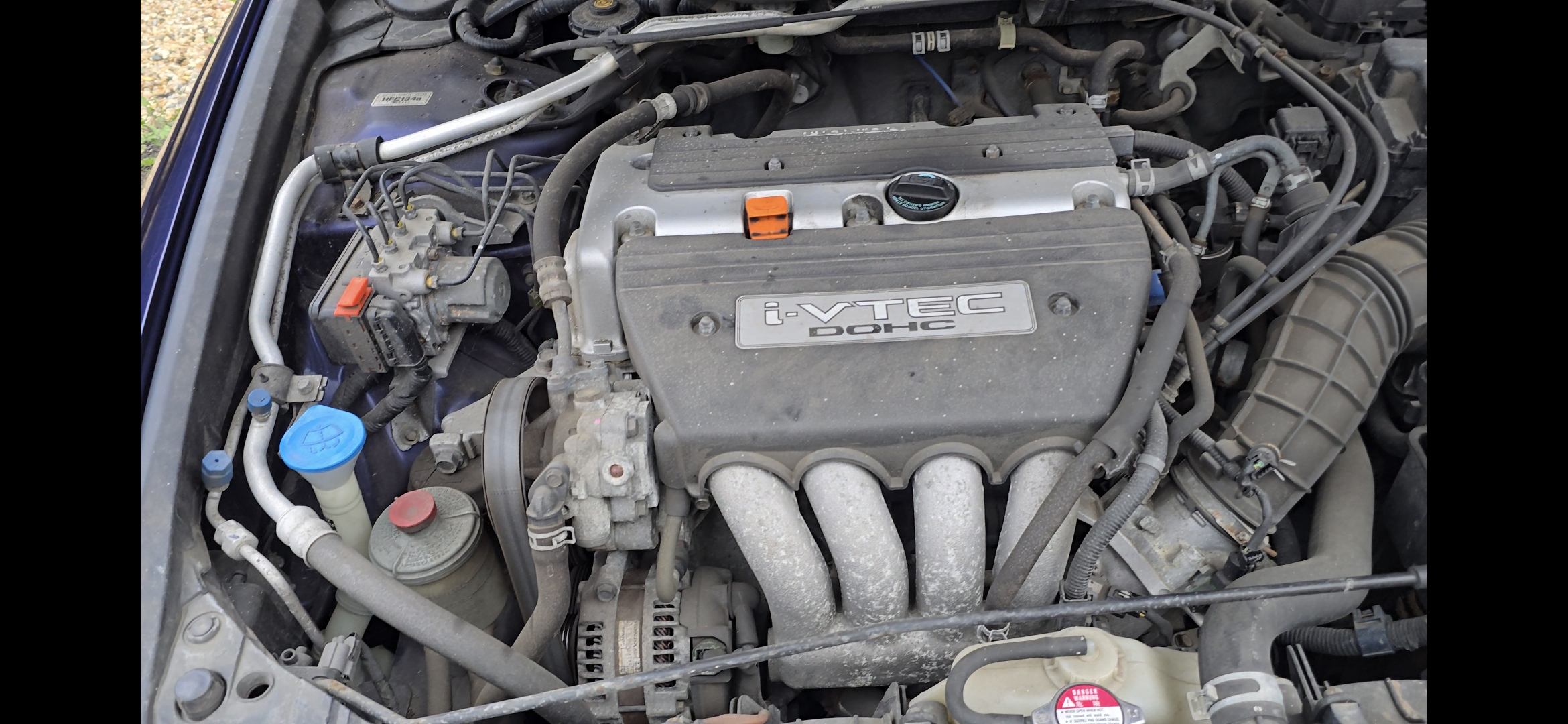
Reasonable DIY depends on the person and the car
Checking fluid levels, topping up screenwash, inspecting tyres, changing an accessible conventional bulb, basic cleaning and checking engine oil can all be reasonable owner jobs. A wheel change may be too, provided the location, equipment and vehicle make it safe.
None of those jobs is automatically suitable for everybody. Read the handbook, understand the procedure and be honest about your tools, mobility, working space and experience. A simple job on one car can be awkward or risky on another.
For genuinely low-risk owner checks, use the engine-oil guide, coolant and screenwash guide and the safety-first spare-wheel guide.
Brakes are safety-critical
Unless you genuinely understand the braking system and have the correct equipment, brake repair isn’t a sensible beginner job. Incorrectly fitted parts, missed damage, contaminated friction surfaces or the wrong tightening procedure can have severe consequences.
Electronic parking brakes, ABS components and vehicle-specific service procedures add complexity. This guide deliberately doesn’t explain how to replace pads, discs, hydraulic parts or bleed a braking system.
If you’ve noticed a change rather than planning a repair, use Signs Your Car’s Brakes May Need Attention to identify the warning signs and decide how urgently the car needs inspection.
Airbags and SRS systems
Airbags and seat-belt pretensioners are pyrotechnic safety equipment. Stored electrical energy may remain in parts of the system, and incorrect work can create faults or deployment risk.
An airbag or SRS warning needs competent diagnosis. Don’t probe connectors or dismantle restraint components because a code reader supplied a fault description.
The dashboard warning-light guide explains what an SRS warning means without encouraging work on the restraint system.
High-voltage hybrid and EV systems
High-voltage traction systems can be lethal. Orange cables and marked high-voltage components aren’t ordinary 12-volt wiring, and apparent shutdown doesn’t make every component safe to touch.
Battery packs, inverters, drive units and high-voltage fault investigation belong with trained people using the correct isolation procedures and equipment. Owner checks around tyres, washer fluid and ordinary controls are a different category from opening a high-voltage system.
Timing belts, chains and internal engine timing
Correct engine timing is critical. Belt replacement can require locking tools, exact positioning and vehicle-specific procedures; a mistake can cause major engine damage. Chains and wet belts raise their own questions, but they aren’t casual jobs simply because somebody has watched a short video.
Use a suitable technician for work beyond your competence, and establish the correct schedule and evidence before deciding what the car needs.
Use the cambelt, timing-chain and wet-belt guide to understand intervals and evidence before arranging the right work.
A fault code is not a diagnosis
A scanner can identify stored codes and live data, but the wording doesn’t automatically name the failed part. Wiring, voltage, air leaks, mechanical faults and related sensors can produce similar symptoms. Clearing a code only removes information until the fault returns.
Diagnostic tools are useful during assessment. They become expensive when they encourage parts-cannon repairs without testing the cause.
Xenon and modern lighting
Some xenon systems operate at high voltage. Modern LED lamps may use sealed modules rather than a simple replaceable bulb, and access can require removal of surrounding parts.
Confirm the lamp technology and handbook procedure before touching it. An ordinary accessible halogen bulb and a high-voltage lighting fault aren’t the same DIY task.
Large paint repairs and structural damage
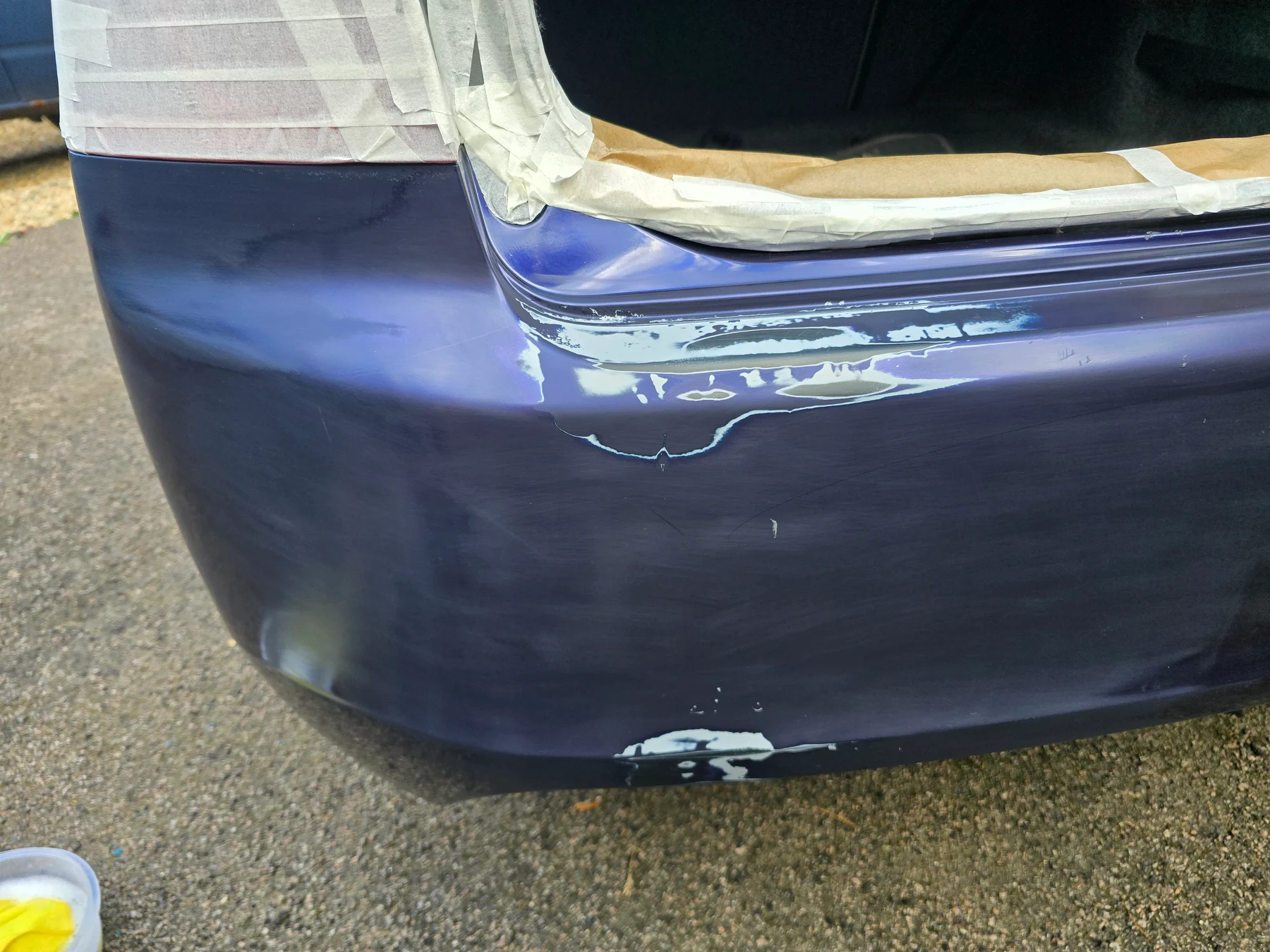
Small, localised cosmetic repairs can sometimes be tackled carefully. A full bonnet or roof, a large blend, a complex colour or widespread lacquer failure needs different equipment and judgement.
Structural damage, significant corrosion, alignment concerns, airbag-related accident repairs and major welding belong with appropriate specialists. Cosmetic improvement should never disguise a safety or structural problem.
The SMART Repair guide explains where a small local repair can make sense and where a bodyshop is the better choice.
Lifting and working underneath a vehicle
Never put any part of your body under a car supported only by its emergency jack. Correct rated equipment, manufacturer-approved lifting points, stable level ground and competent use all matter.
The jack supplied with a car is intended for the handbook procedure, usually an emergency wheel change. It isn’t a substitute for proper workshop lifting and support equipment.
Know when to stop
Stop if the job no longer matches the manual, a fastener won’t move, a replacement part doesn’t fit correctly, unexpected warning lights appear, safety equipment becomes involved or the work expands beyond what you prepared for. Forcing the next step rarely makes the job safer.
Put the vehicle back into a safe state where possible and get competent help. Stopping before damage occurs is good judgement, not failure.