Practical advice · Real experience
Selling Your Car Privately
Selling privately can bring a stronger return than part exchange, but it asks more of you. Get the car clean, make it easy to understand and give buyers a reason to trust it—without chasing perfection or spending money it can’t realistically earn back.
Make the car look cared for, describe it honestly, give buyers the information they need and stay in control of viewings, payment and paperwork.
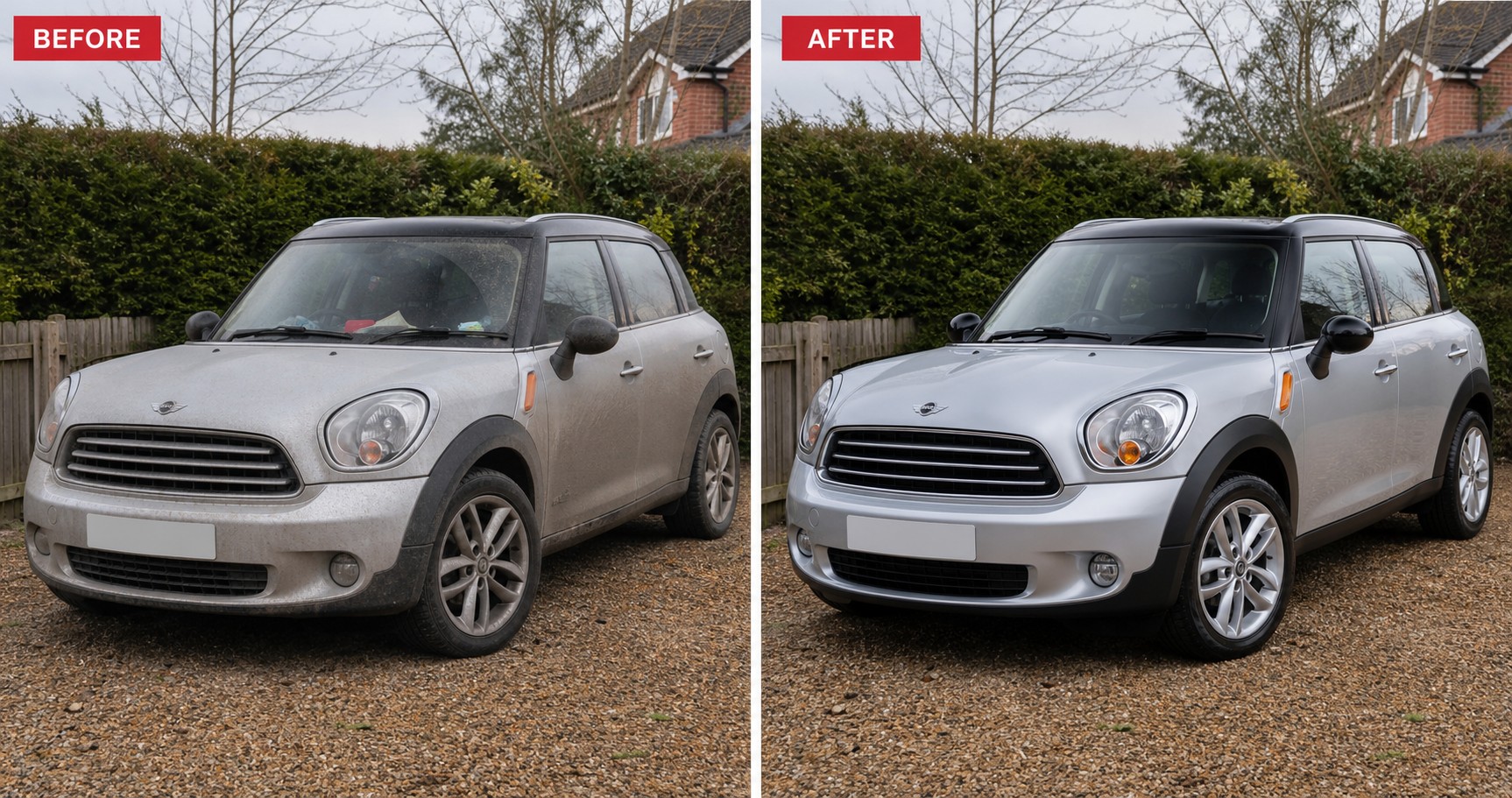
 Selling Your Car Privately · Visual Guide
Before you advertise
Prepare your car to the highest standard
A clean, well-presented car shows that it has been cared for. Make its genuine condition easy to see—don’t use preparation to disguise faults.
- 01
Clear & clean
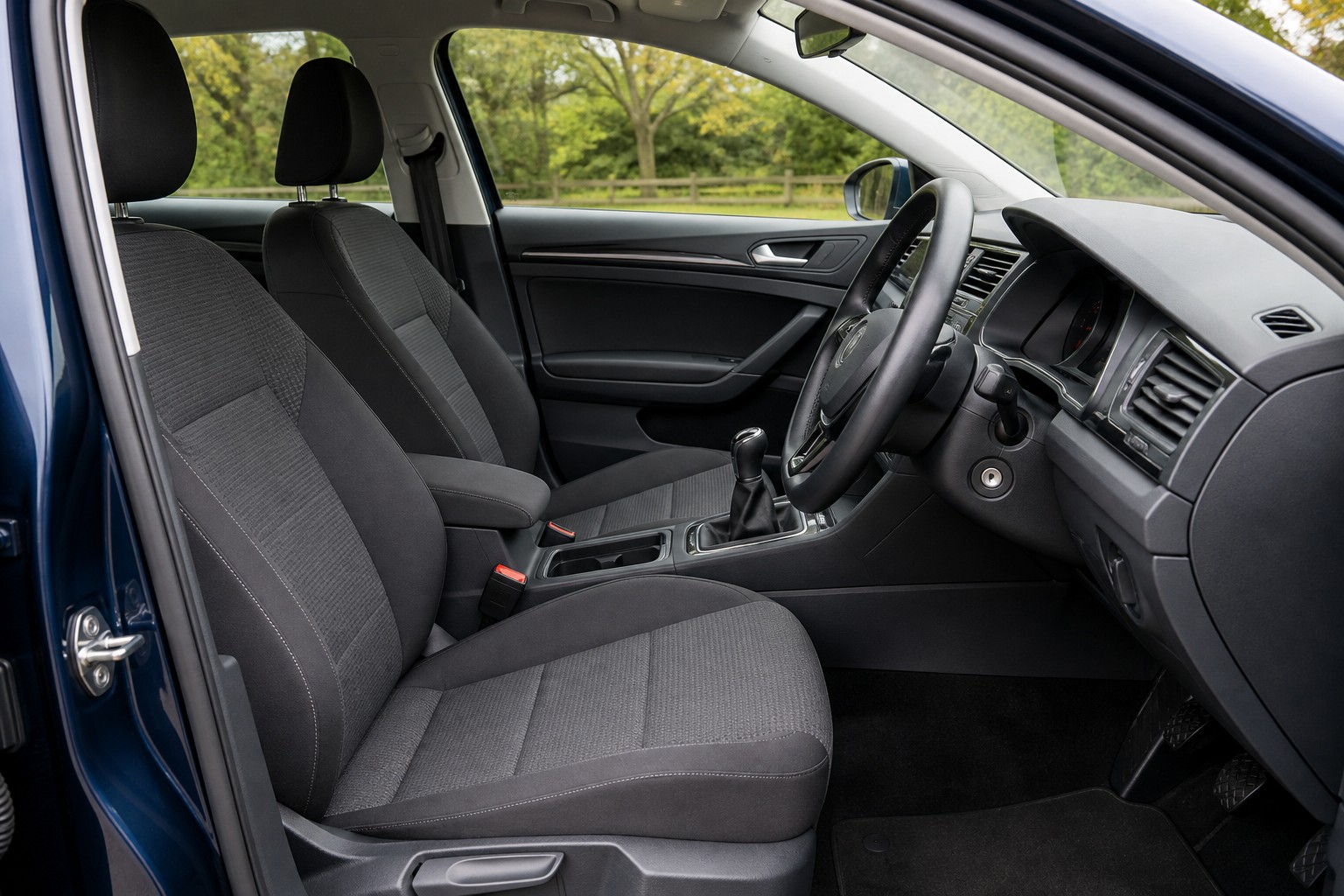
- Remove all personal items, including loose paperwork and air fresheners.
- Empty the boot, door pockets, centre console and glovebox.
- 02
Interior clean
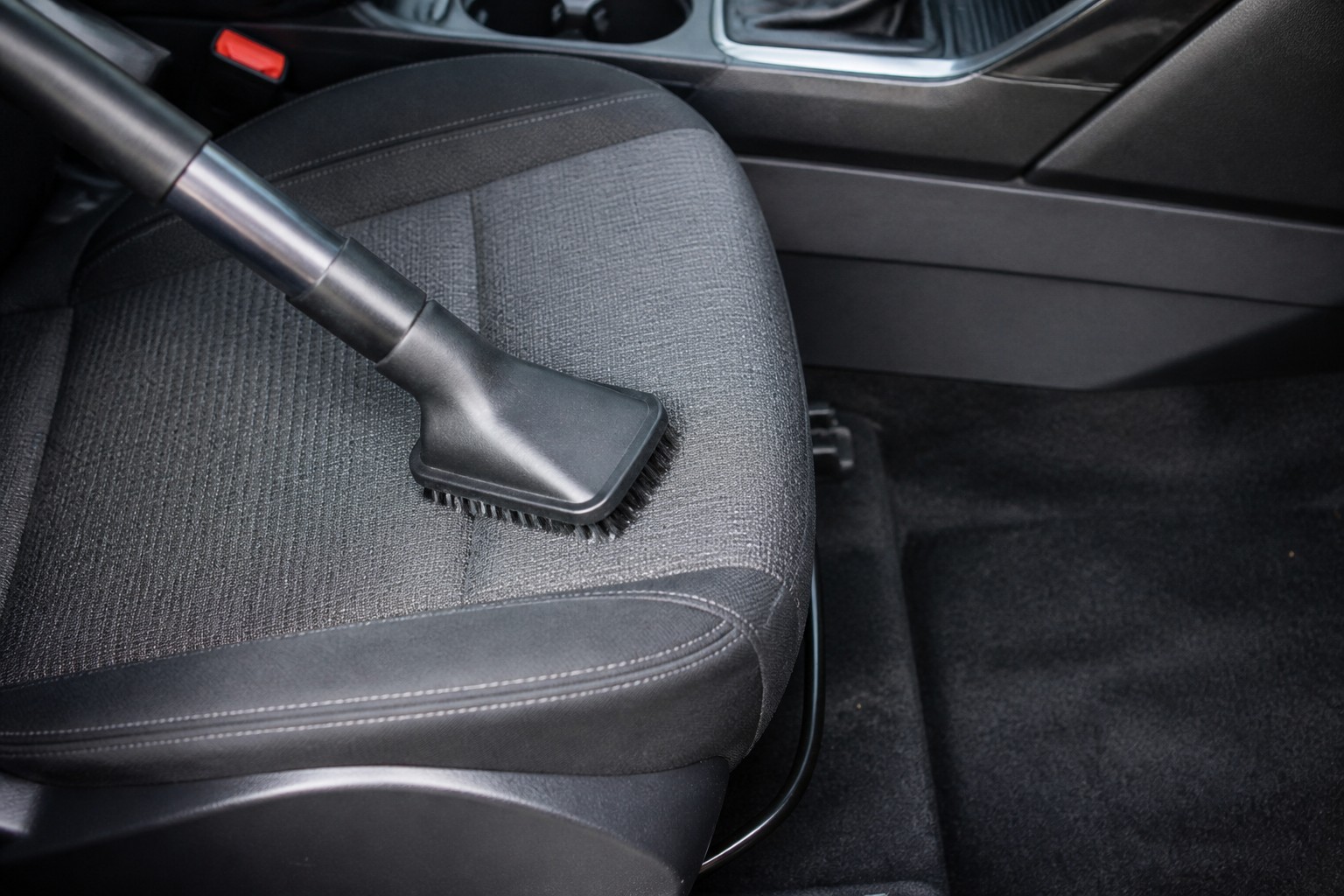
- Thoroughly vacuum the seats, carpets, mats, boot and every accessible crevice.
- Remove dust, dirt and debris; use a suitable pet-hair tool where needed.
- 03
Wipe all surfaces
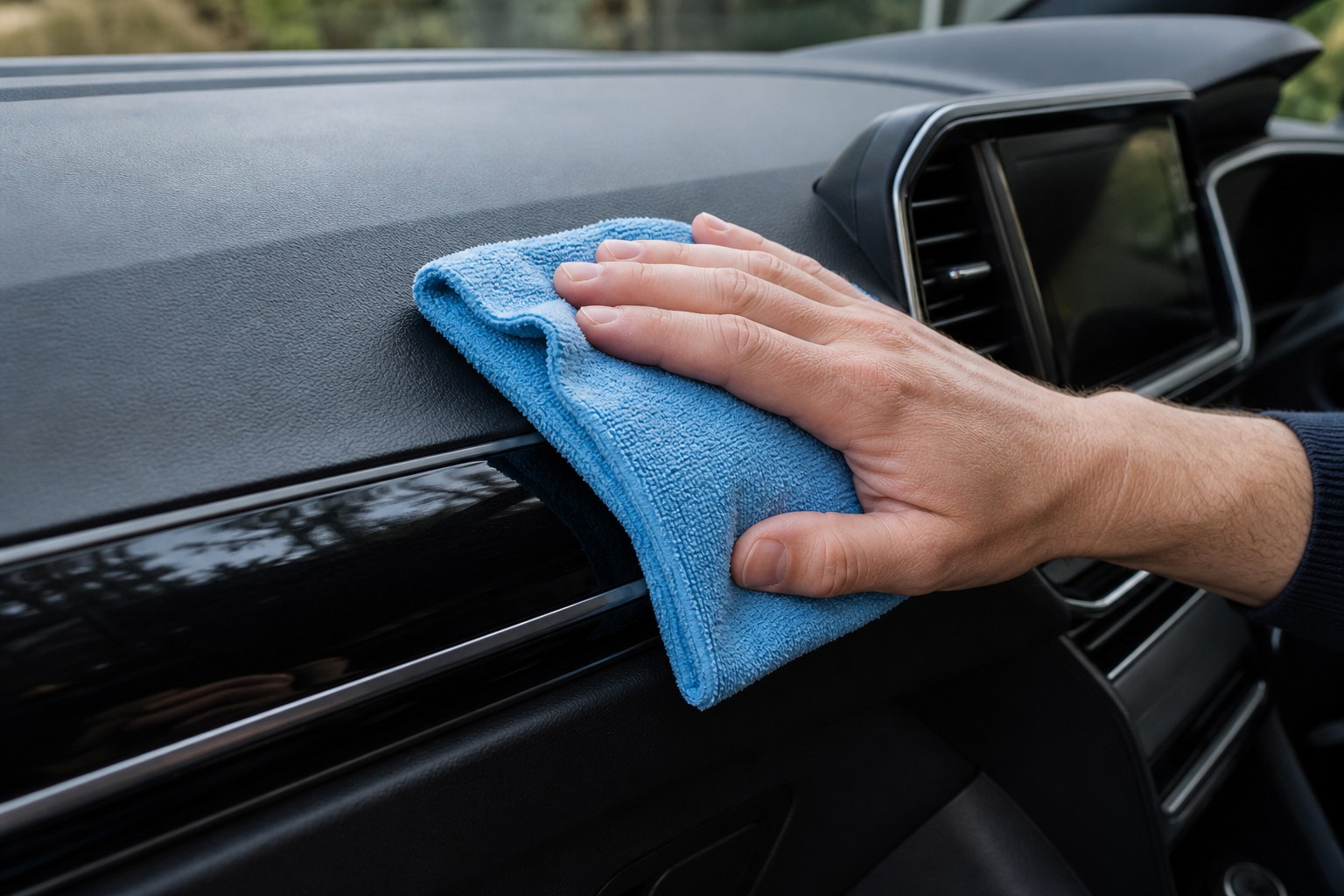
- Use a damp—not soaking—microfibre cloth with a suitable interior cleaner.
- Wipe the dashboard, dials, trim, door cards and plastics without saturating switches.
- 04
Exterior detail
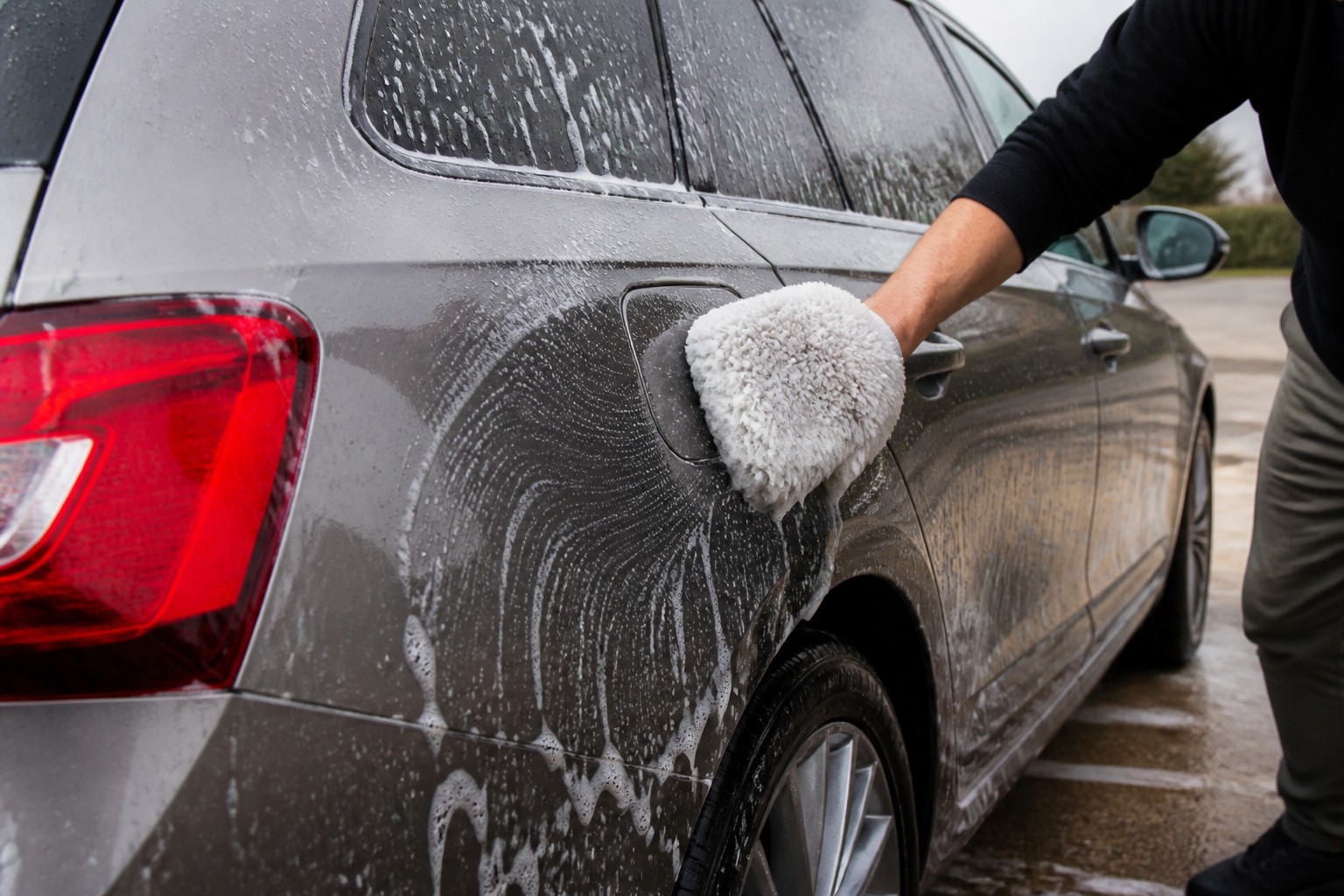
- Rinse away loose dirt, pre-wash where suitable, hand wash and dry carefully.
- Decontaminate or clay only if you’re confident; finish with a suitable polish or wax.
- 05
Glass & mirrors
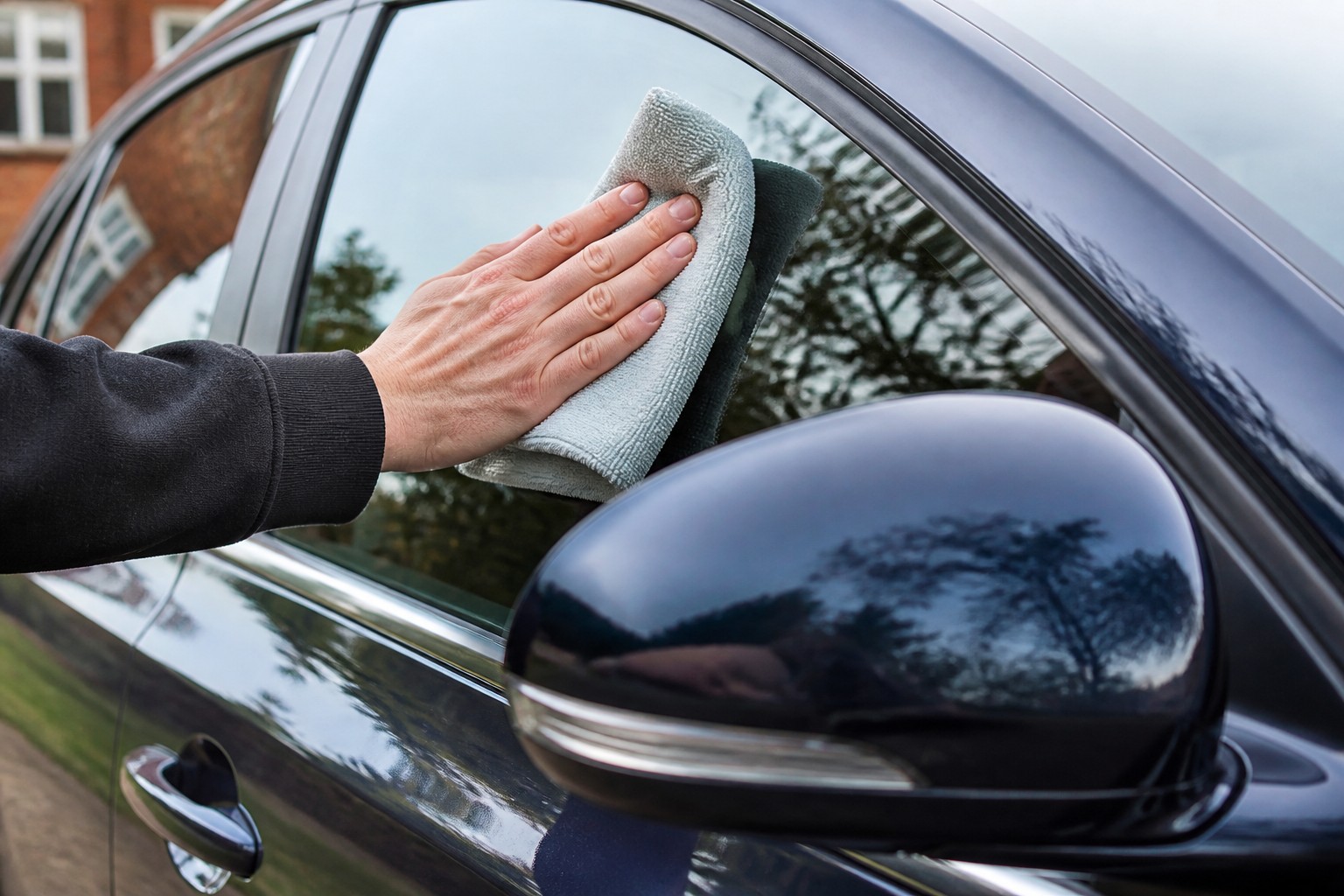
- Spray cleaner onto the cloth rather than directly across the dashboard or trim.
- Clean every window inside and out, then dry to a streak-free finish.
- 06
Engine bay
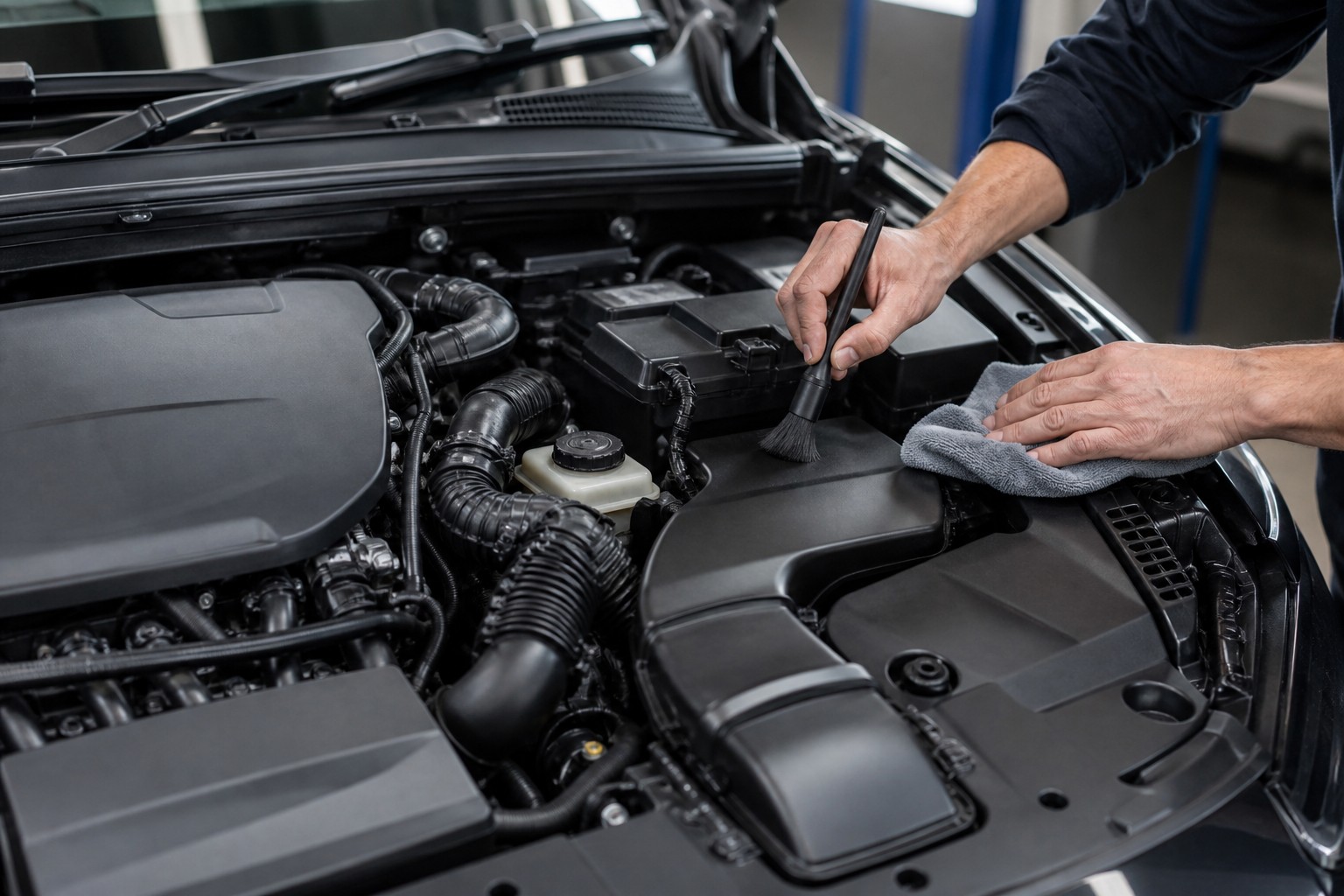
- Work on a cool engine. Apply a suitable degreaser sparingly and agitate gently.
- Wipe or rinse carefully; avoid pressure-washing electrical components and air intakes.
- 07
Finishing touches
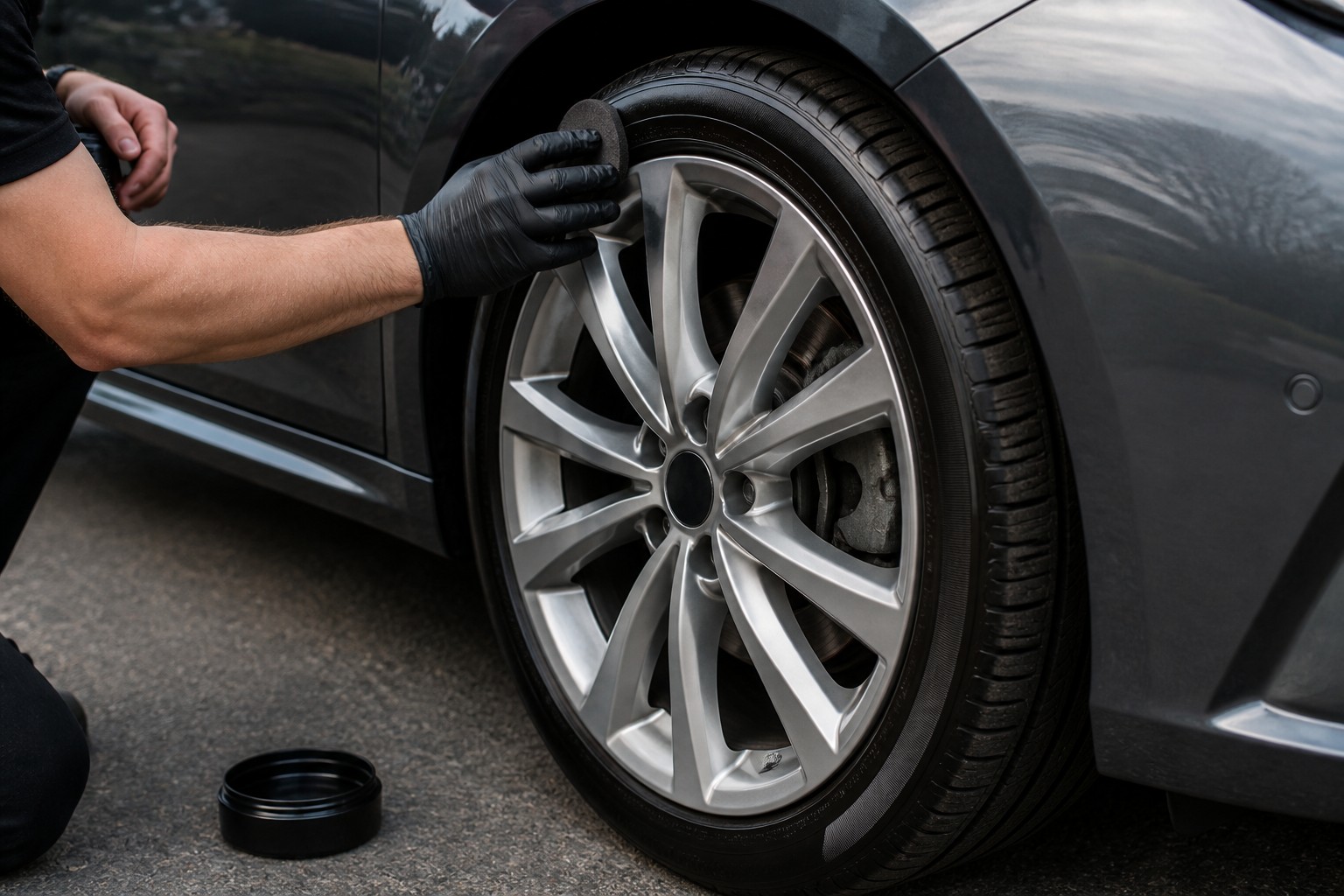
- Dress tyre sidewalls only—never the tread—and remove any final pet hair.
- Deal with odours at source; use cabin treatments only as their instructions direct.
Decide whether private sale is the right route
A private sale can produce a stronger headline price than part exchange or trade disposal, especially for a desirable car with good history and careful presentation. The extra return is payment for your preparation, advertising, enquiries, viewings, negotiation, payment checks and paperwork.
The best route depends on the car’s value, condition, desirability and age; how quickly you need it sold; your confidence; and the likely gap between trade and private money. If the time, risk or effort doesn’t suit you, part exchange can be the sensible choice—not a failure to maximise value.
Start with an honest appraisal
Before spending or advertising, look at the car as a buyer will. Clear out rubbish and personal items, gather every key and put service records, invoices, MOT information and the handbook together in date order. A clean, organised car is easier to inspect and makes the sale feel more straightforward.
Check warning lights, tyres, brakes, fluid levels, battery, bulbs, wipers, air conditioning, obvious leaks and unfamiliar noises. Some consumables can be disclosed and reflected in the price. Safety-critical faults need proper attention: don’t make an unsafe DIY guess just to get the advert live.
Prepare the car for a confident viewing
Wash it properly, clean the wheels and glass, vacuum the cabin and boot, remove odours at their source and keep the engine bay conservative. Basic paint enhancement, light paint-transfer correction or a small smart repair can be sensible where it improves saleability without pretending an older car is perfect.
Preparation should be proportionate. Don’t automatically spend money on every stone chip, wheel mark, age-related dent or small scratch on a lower-value car. A £500 repair doesn’t automatically add £500 to the price. Compare cost, time, skill and likely buyer expectations; repair safety issues, then either improve or disclose the rest.
For practical boundaries on safe upkeep, washing, detailing and smart repairs, use the linked Car Care & Advice guide.
Know the MOT and service story before a buyer does
Buyers are likely to research MOT history before they contact you. Review advisories, previous failures, mileage progression, repeated issues, corrosion references and recent repair work. If an advisory has been addressed, the invoice is useful evidence—not just a claim.
A service book, invoices, digital records, cambelt or timing maintenance, major repair receipts and tyre or brake evidence can all strengthen the story. If history is patchy, say so plainly. Honest uncertainty is better than an invented answer.
Price the actual car, not the best advert online
Asking prices aren’t achieved prices. Compare cars of the same generation, derivative, engine, transmission, age, mileage, specification and condition, then adjust for colour, owners, service and MOT evidence, tyres, brakes, major maintenance, keys, desirability, faults, regional demand and category status where relevant.
Start nationally to understand the market, then tighten the search to where a realistic buyer will travel. For a common lower-value car, local stock matters a great deal; for a rare or highly desirable car, the national market may carry more weight. A dealer asking price isn’t automatically achievable privately, and a well-prepared private car can still be worth more than a trade figure.
Set a sensible asking price and your true minimum before enquiries begin. Don’t create ridiculous haggling room or assume a buyer must accept an arbitrary “cash today” discount.
Write an advert that answers real questions
Use exact model, derivative, year, mileage, MOT position, history, useful specification, recent maintenance, keys and honest condition. Say why the car may suit somebody, but avoid vague dealer-style phrases such as “immaculate”, “no expense spared” or “first to see will buy” unless the evidence truly supports them.
If you know a material defect, include it calmly. Significant body damage, a warning light, cracked windscreen, major wheel or interior damage, a known mechanical issue and category status are better explained before a wasted journey than argued about at viewing. Don’t photograph every tiny age-related mark, but don’t deliberately hide what will matter.
If you’re selling for a relative or friend, state that clearly. Make sure the registered keeper or owner has authorised the sale and that payment and paperwork arrangements are understood. Uncertainty about who owns the car is an unnecessary concern for a buyer.
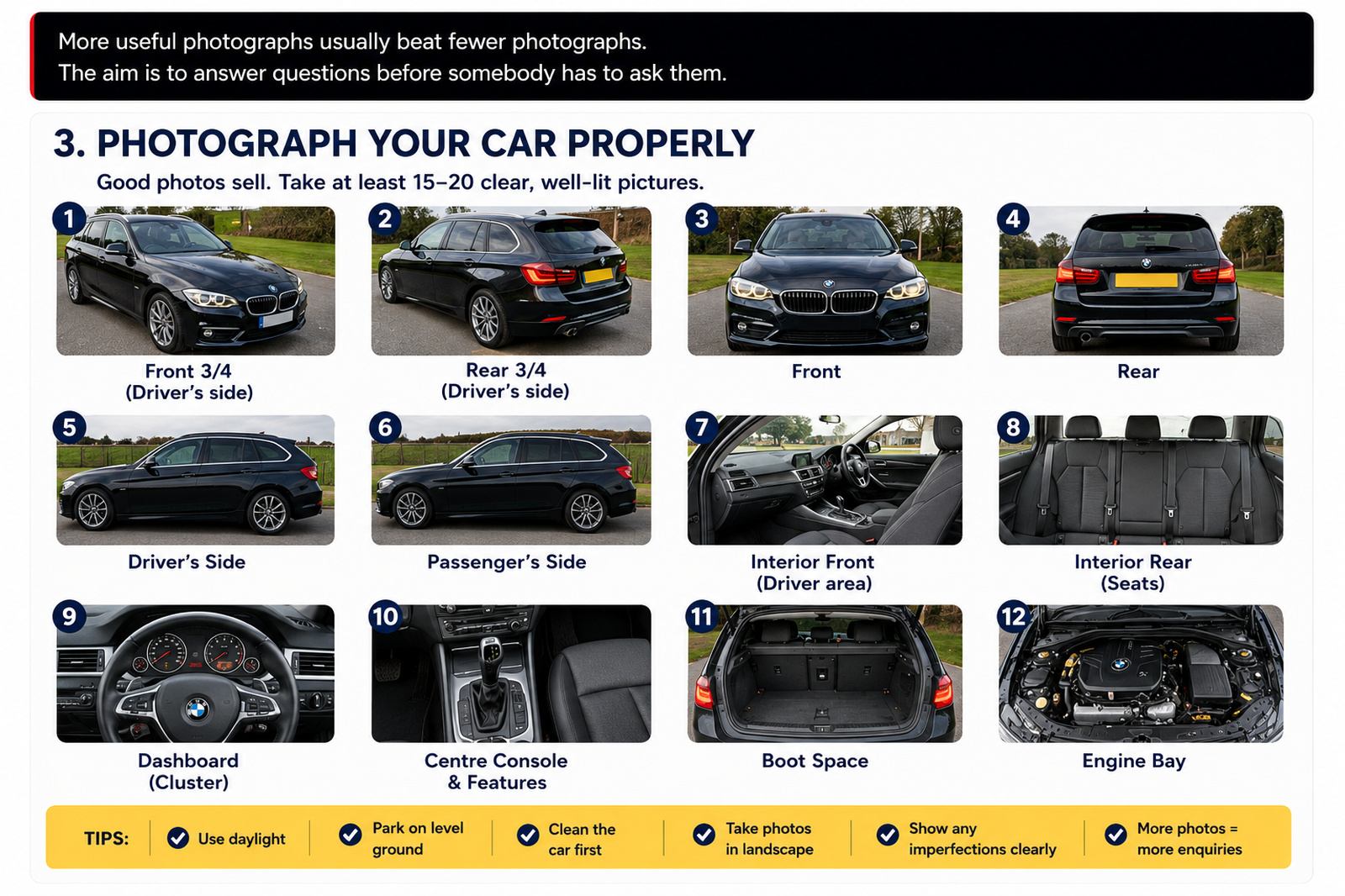
Photograph it properly
Photographs reduce uncertainty. Use a clean, dry car, neutral uncluttered surroundings and good natural light. Softer evening or overcast light often shows a cleaned or polished car better than harsh midday glare. Photograph the front, rear, both sides, wheels, interior, dashboard, seats, boot, engine bay where useful, keys and supporting records.
Avoid filters or over-editing that misrepresent paint or condition. A genuine car photographed well is more convincing than an artificially polished advert. Include relevant material defects so a buyer knows what they’re travelling to see.
Qualify enquiries and control viewings
A few polite questions can establish whether somebody has read the advert, understands disclosed faults or category status, is genuinely in a position to buy and knows when they can view. Avoid trying to negotiate the whole deal by message before they’ve seen the car.
Arrange viewings at sensible times and, where possible, have another adult nearby. Keep the keys and documents under your control, don’t allow strangers unrestricted access to the house and keep the group manageable—two people is easier to supervise than a crowd. This is ordinary personal security, not paranoia.
Be wary of pressure, overpayments, unusual payment arrangements, somebody proposing a courier without viewing, fake bank screenshots or a request to send money to release funds. Genuine buyers will normally accept a normal viewing, payment and handover process.
Test drives and negotiation
Don’t rely on “I’m insured.” Check the licence and satisfy yourself that the driver has suitable cover for that specific car; policy wording varies. No appropriate insurance means no test drive. Accompany the drive where safe and appropriate, keep control of the keys and choose a sensible route.
Let the buyer make an offer rather than negotiating against yourself. A genuine defect that wasn’t already reflected in the price may justify a calm reassessment. You don’t have to accept pressure or decide immediately.
Deposits, payment and cash
If you accept a deposit, record the amount, agreed price, car, buyer, date, collection deadline and whether it’s refundable in defined circumstances. A simple clear record is better than a vague verbal agreement.
Bank transfer is practical for many private sales, but only release the vehicle when the full agreed amount is genuinely cleared in your own account. Don’t rely on screenshots, emails, notifications or money shown on the buyer’s phone. Be cautious of third-party arrangements.
Cash isn’t automatically suspicious, but a significant amount brings risks around counterfeit notes, counting, depositing and personal safety. If you aren’t comfortable handling it, you don’t have to accept it.
Payment, paperwork and handover
Don’t hand over the car, keys, V5C details or documents until payment has cleared and the transaction is complete. Make two matching receipts with the buyer and seller details, registration, make and model, mileage, price, date and time, disclosed material faults where appropriate, payment method and signatures where practical.
Use the official DVLA process, give the buyer the correct new-keeper information and retain confirmation of the transfer. The buyer needs separate tax and insurance before driving away; road tax doesn’t transfer with the vehicle.
At collection, remove personal belongings and data from infotainment, navigation, Bluetooth and connected-car apps. Hand over agreed keys, manuals and records, take a final mileage note or photograph if useful, and make sure the buyer understands any disclosed issues.
Once the deal is agreed
Finish the sale in a safe, sensible order
- Deal agreedConfirm the price, what’s included and when collection will happen.
- Funds verifiedCheck your own account. Don’t rely on screenshots, emails or a buyer’s phone.
- Record the dealComplete two matching receipts with the buyer.
- Keeper processUse the current DVLA service and give the buyer the correct new-keeper slip.
- HandoverOnly now hand over the car, keys, manuals and agreed records.
Complete the keeper change properly
Use the official DVLA process as part of the handover, give the buyer the correct new-keeper information and retain the confirmation with your sale record. Never share the V5C document reference number or photographs of the log book.
Vehicle tax doesn’t transfer with the car. The buyer needs to arrange their own tax and insurance before driving away.
After the car leaves
Update or cancel your insurance, retain the signed receipt and DVLA confirmation, remove the vehicle from parking or payment apps and keep the advert and relevant messages for a reasonable period.
A private seller must describe a vehicle honestly and must not misrepresent it. This guide is practical information rather than legal advice; if a dispute arises, use current official guidance for the particular circumstances.