
Practical advice · Real experience
How to Check Your Engine Oil
Checking the oil level is one of the simplest useful jobs an owner can learn. Follow the procedure for your car, read the level carefully and take notice when it keeps changing.
Use the handbook procedure first. Park level, allow the engine to reach the required state, then check the dipstick or electronic display as instructed. Oil should usually sit within its marked operating range; add the correct oil in small amounts only when needed, and investigate repeated loss.
Why checking oil matters
Engine oil lubricates moving components, reduces friction and wear, helps manage heat and carries contamination towards the filter. Running significantly low can cause serious damage; overfilling can cause problems too. The right answer is the correct level for the engine, not simply as much oil as possible.
Check the handbook first
Cars don’t all measure oil in the same way. Some have a traditional dipstick, some use an electronic display and some use both. The manufacturer may specify a cold engine, a warm engine, level ground, a wait after switching off or a dashboard-menu procedure. Use that instruction first.
Before you start
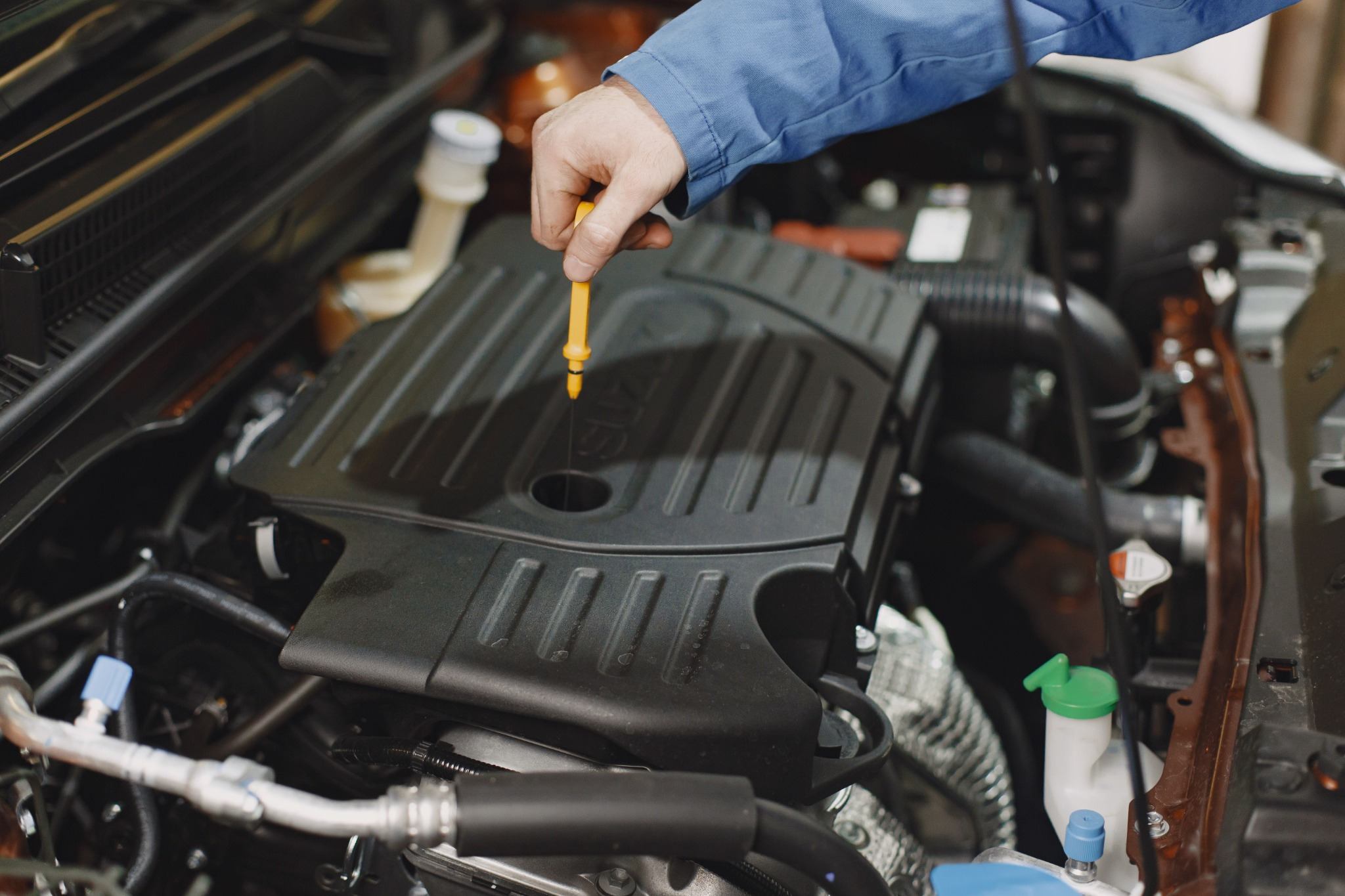
For a conventional check, park on level ground, secure the car, switch the engine off and follow the handbook’s temperature and waiting guidance. Have a clean lint-free cloth or paper towel ready, and make sure you’ve identified the oil dipstick rather than pulling a random component from the engine bay.
How to check a conventional dipstick
1. Locate the oil dipstick. 2. Pull it out carefully. 3. Wipe it clean. 4. Reinsert it fully. 5. Remove it again. 6. Read the level against its markings. 7. Check both sides if the reading is unclear. 8. Repeat the check if needed.
The first pull is often smeared as the dipstick comes out of its tube. Wiping and checking again normally gives the useful reading.
How to read the level
Dipsticks vary: MIN/MAX, L/F, two dots, notches, lines or a cross-hatched area are all common. Below minimum needs attention. Between the marks is normally the working range. At or near maximum may be fine if it matches the manufacturer guidance. Above maximum isn’t automatically better.
If the level is low
Confirm the correct oil specification before adding anything. Add a small amount, allow time for it to drain into the sump, then recheck. The difference between the marks varies by engine, so never assume MIN-to-MAX means one fixed litre or pour a large amount in blindly.
Using the correct oil
5W-30 or 0W-20 describes viscosity, not the complete oil requirement. Match the manufacturer specification and approvals too, including ACEA/API requirements and emissions-system compatibility where relevant. The handbook, manufacturer information and a reliable oil lookup are better than guessing.
What if there is no dipstick?
Many newer cars measure oil electronically through the instruments or infotainment. The procedure may need a warm engine, level ground, a specified delay after switch-off—or occasionally the engine running. Follow the vehicle instructions: electronic systems don’t all work in the same way.
How often should you check?
A quick periodic check is worthwhile before a long journey, on an older car, on an engine known to use oil, after servicing, when an oil-level message appears or while checking other basic fluids. It takes little time once you know where the dipstick or menu is.
Oil-level warning versus oil-pressure warning
An oil-level warning may mean the quantity of oil is low. A red oil-pressure warning is potentially far more serious: stop safely as soon as practical, switch off and arrange competent diagnosis. Correct level doesn’t prove that pressure is correct.
A red oil-pressure warning can be much more serious than an oil-level message. Stop safely, switch the engine off and don’t keep driving simply because oil appears on the dipstick. Read Understanding Dashboard Warning Lights for the wider warning-light context.
What the oil condition can tell you
Used oil often turns dark naturally, particularly in diesel engines, so colour alone doesn’t diagnose a fault. A strong fuel smell, obvious coolant contamination, unusual metallic material or mayonnaise-like deposits alongside other symptoms deserves proper investigation.
What low or changing oil level can tell you
Some engines use a small amount of oil. A rapid drop, sudden change in consumption, visible leaks, exhaust smoke, burning-oil smell or warning light shouldn’t be ignored. Causes can include external leaks, consumption, turbo-related issues or internal wear; repeatedly adding oil isn’t a diagnosis.
For the other basic fluid checks, read How to Check Coolant & Screenwash. Repeated loss of either fluid deserves attention rather than endless topping-up.
Check for leaks and changes
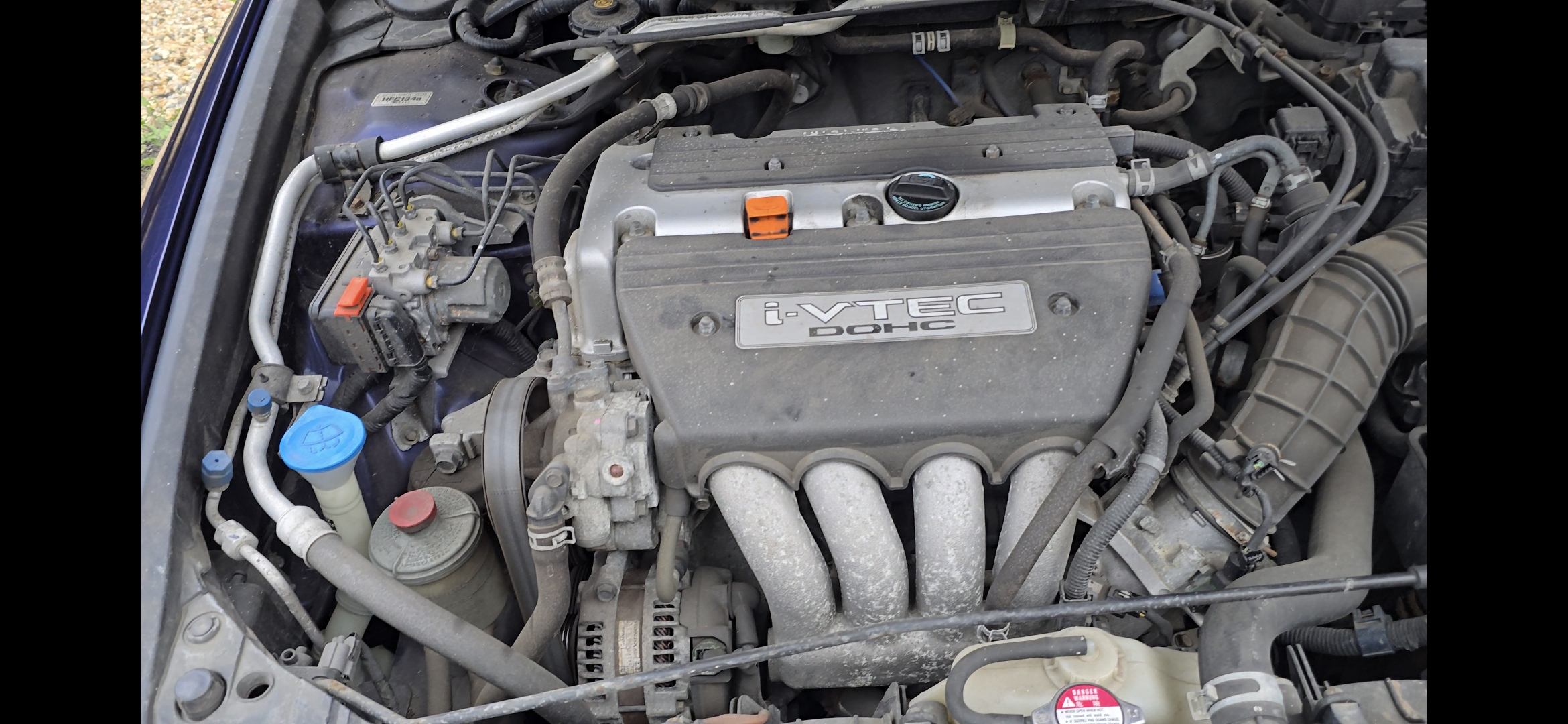
With the engine off and cool, look for fresh oil underneath the car, wet areas around the engine, the filter or housing, sump, filler cap and visible seals. Don’t crawl under an unsupported car. If proper underbody inspection is needed, use suitable professional lifting or ask for help.
After an oil change
Confirm the filler cap is fitted, the dipstick is seated, the level is correct and no obvious leak is present. Once the engine has run and the oil has settled, recheck it using the manufacturer procedure and make sure warning lights extinguish normally.
Buying and servicing context
A clean dipstick doesn’t prove an engine is healthy, but low oil, warning messages, obvious leaks and neglected servicing are worth noting on a used car. Checking level isn’t servicing: topping up doesn’t replace scheduled oil and filter changes.
For a used-car viewing, a low level, obvious leak or oil warning is useful context—not a full diagnosis. Read the Used Car Buying Guide; routine servicing is also different from topping up, as covered in Is Main Dealer Servicing Worth It?.
Beginner quick check
This is a two-minute habit, not a mechanical qualification. Follow the correct procedure for your car, read the level carefully and use the right oil. When the level keeps changing or a warning appears, find out why rather than treating the bottle as a permanent fix.