
Before, process and finished photographs show what changed. Where the evidence is incomplete, I say so.
Forecourt Insider in practice
Real cars. Real issues.
Real improvements.
These are genuine Forecourt Insider projects: the starting condition, the defects worth addressing, the work I actually carried out and the result the photographs can support. They aren’t showroom makeovers or promises that every mark can—or should—be removed.
I give each car the level of effort that makes sense for its age, value, condition and intended use. The interesting part is deciding what will genuinely improve the car, what needs a proper repair and when chasing perfection simply isn’t worth it.
Good preparation can make a tired car easier to understand and more appealing. It doesn’t erase age, history or mechanical condition.
I concentrate on the work that makes sense for the car in front of me, with clear boundaries around specialist and safety-critical jobs.
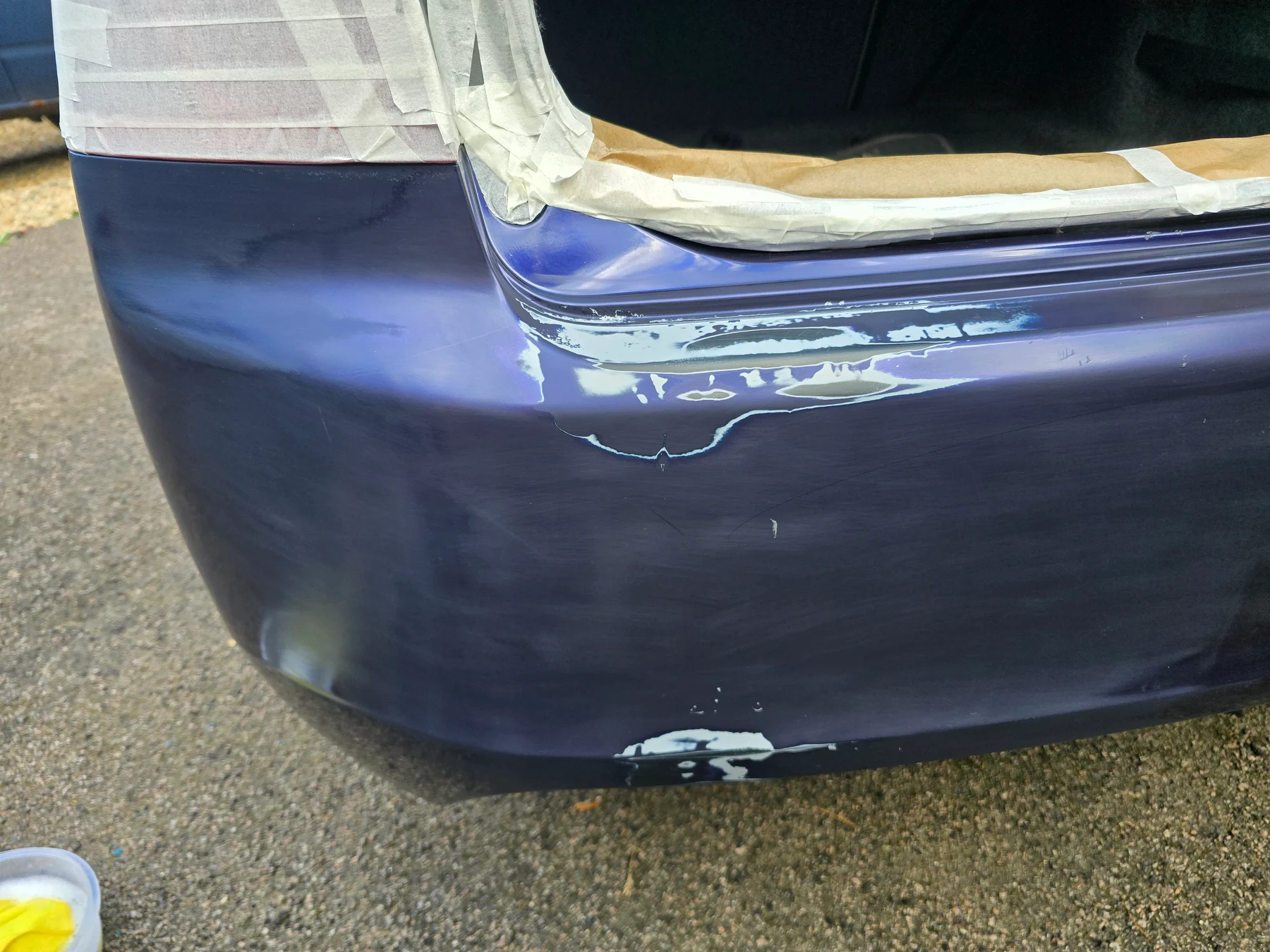
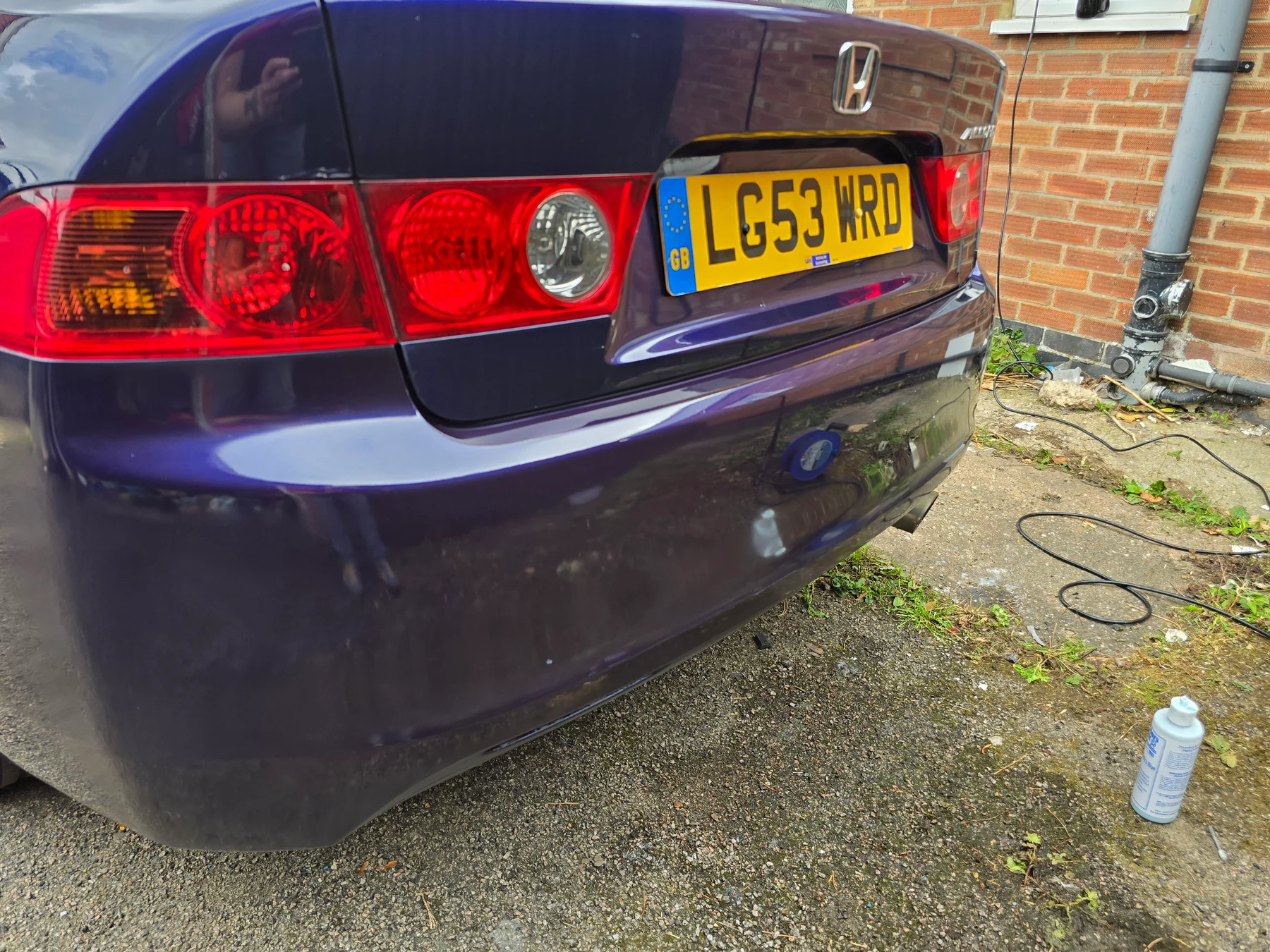
2003 Honda Accord Revival
An older Accord, some tired paintwork and a sensible question: how much difference could a few hours of careful work make? This is about improving what’s already there, not pretending the car is something it isn’t.
Cleaning and detailing came first so I could see the actual condition. Machine polishing and selective wet sanding were used to refine suitable areas of paint, alongside local smart-repair painting and final finishing. The bumper footage shows the later wet-sanding, refinement and DA-polishing stages. It’s evidence of this particular job, not a universal recipe for unknown paint. The interior and petrol-filler area were also cleaned so the car presented as a cared-for whole rather than a collection of isolated repairs.
See the real-world story →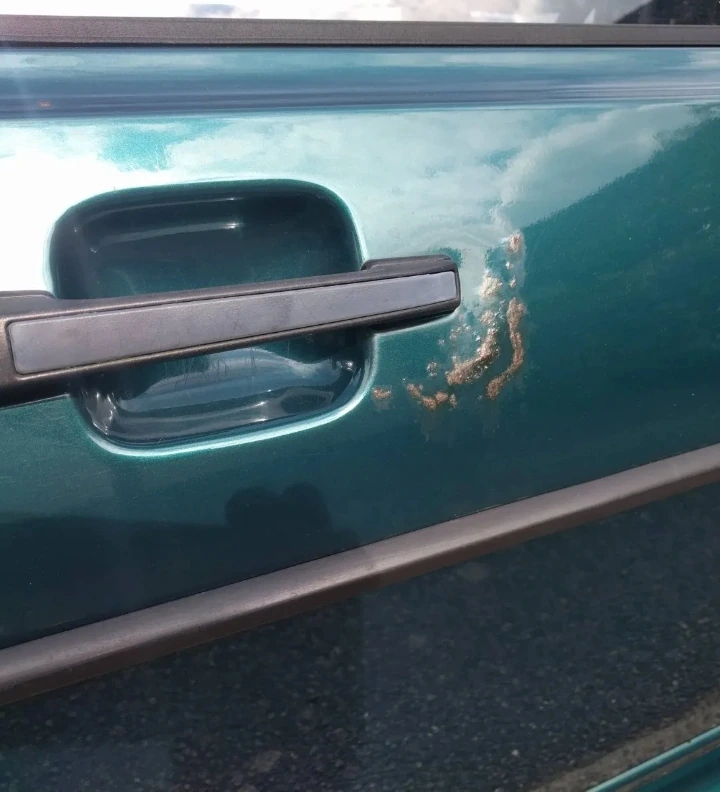
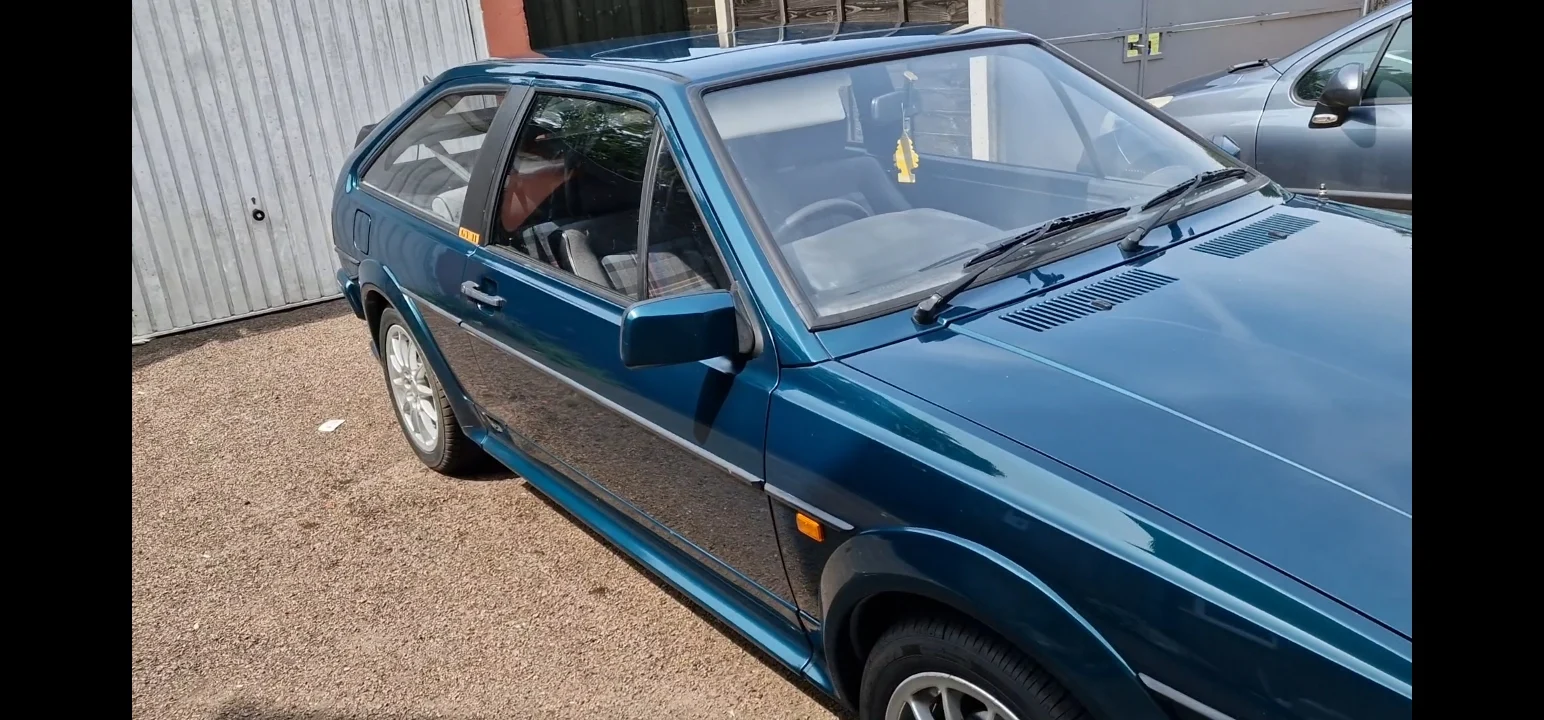
1992 Volkswagen Scirocco Revival
A sympathetic driveway cosmetic revival: a localised door repair and careful paint refinement, with the original before, primer, colour and finished-car evidence.
Washing, decontamination, a localised driver’s-door repair, primer, colour, clear coat and conservative machine polishing.
See the real-world story →