
One of my real-world cars
Bringing an Older Car Back to Life: A Mk2 Scirocco Cosmetic Revival
This 1992 Mk2 Scirocco was one of a number of retro cars I’ve owned over the years. I’ve always had a soft spot for cars from this era, and this one was a good example of how much difference some sympathetic cosmetic attention can make.
I wasn’t trying to restore the car or make it concours-perfect. I wanted to deal with the areas that were letting it down and bring some proper clarity, depth and gloss back into the paint.
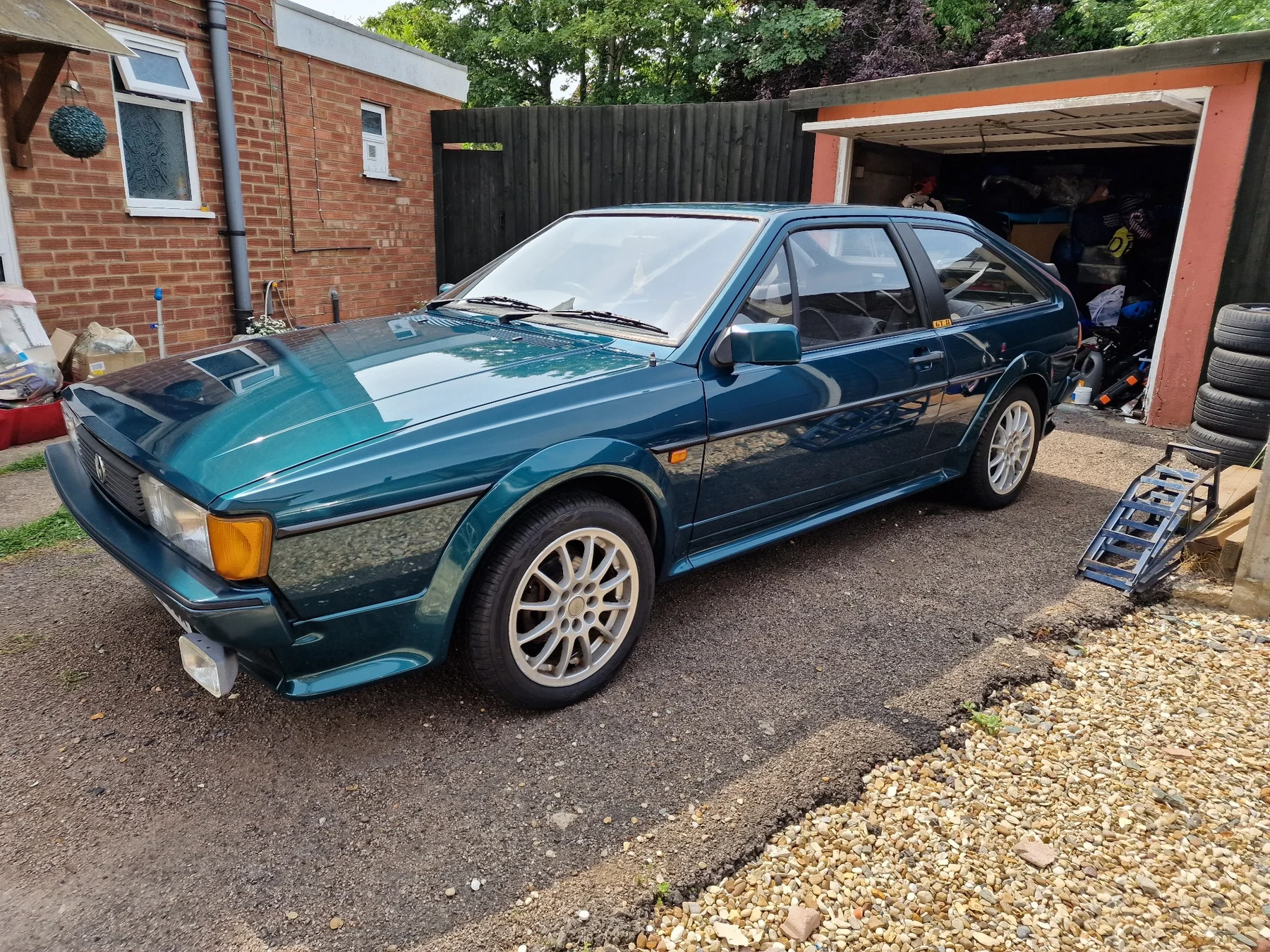
One of my retro cars
I’ve owned a number of cars from the 1980s and 1990s over the years, and I’ve always enjoyed improving them without taking away the character that made them interesting in the first place. This Scirocco was fundamentally a decent older car, but a few tired cosmetic areas were dragging down the way the whole thing presented.
Most of what I did was straightforward: a proper wash, decontamination, a close look at the paint, careful machine polishing and one localised repair to the driver’s door. It was an afternoon on the driveway, with patience and a fair bit of elbow grease doing most of the work.
I cleaned it before deciding what to correct
I started by washing and decontaminating the car properly. There’s no point polishing over bonded dirt, and you can’t make a sensible decision about paint until you can see what’s actually in front of you.
Once it was clean, I could separate the ordinary age-related marks from the areas that really affected the car’s overall appearance. I wasn’t chasing every defect. I concentrated on the broad painted surfaces and the obvious damage around the driver’s door handle, because those were the areas that would make the biggest visual difference.
The driver’s door before the repair
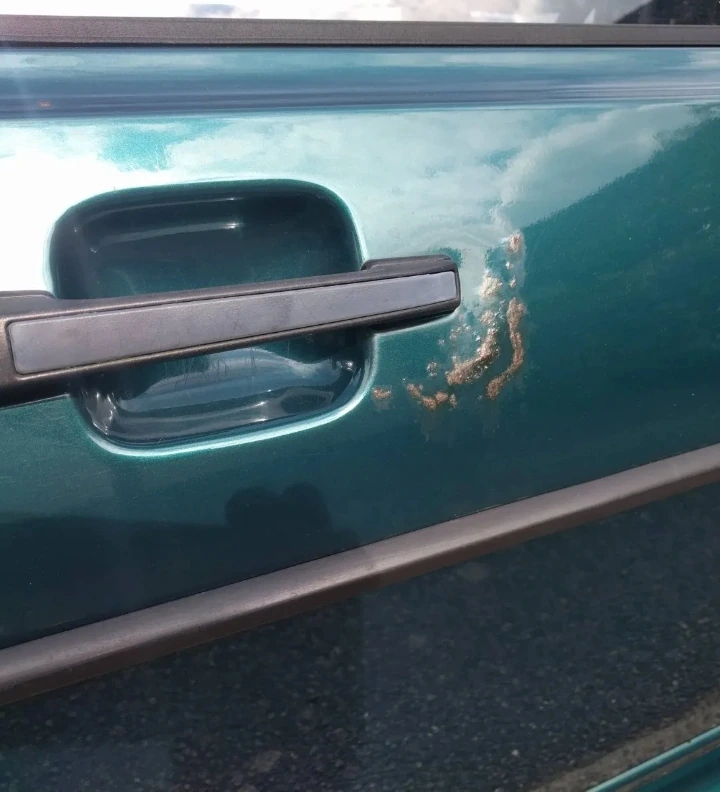
The damage around the handle wasn’t the whole story of the car, but it caught the eye every time I looked down the side. I decided to improve that area rather than pretend the entire door needed to become a flawless bodyshop panel.
The localised door repair
I cleaned and prepared the damaged area, protected the surrounding trim and bodywork, then worked through primer, colour and clear coat. I let the finish cure properly before carefully refining and polishing the result.
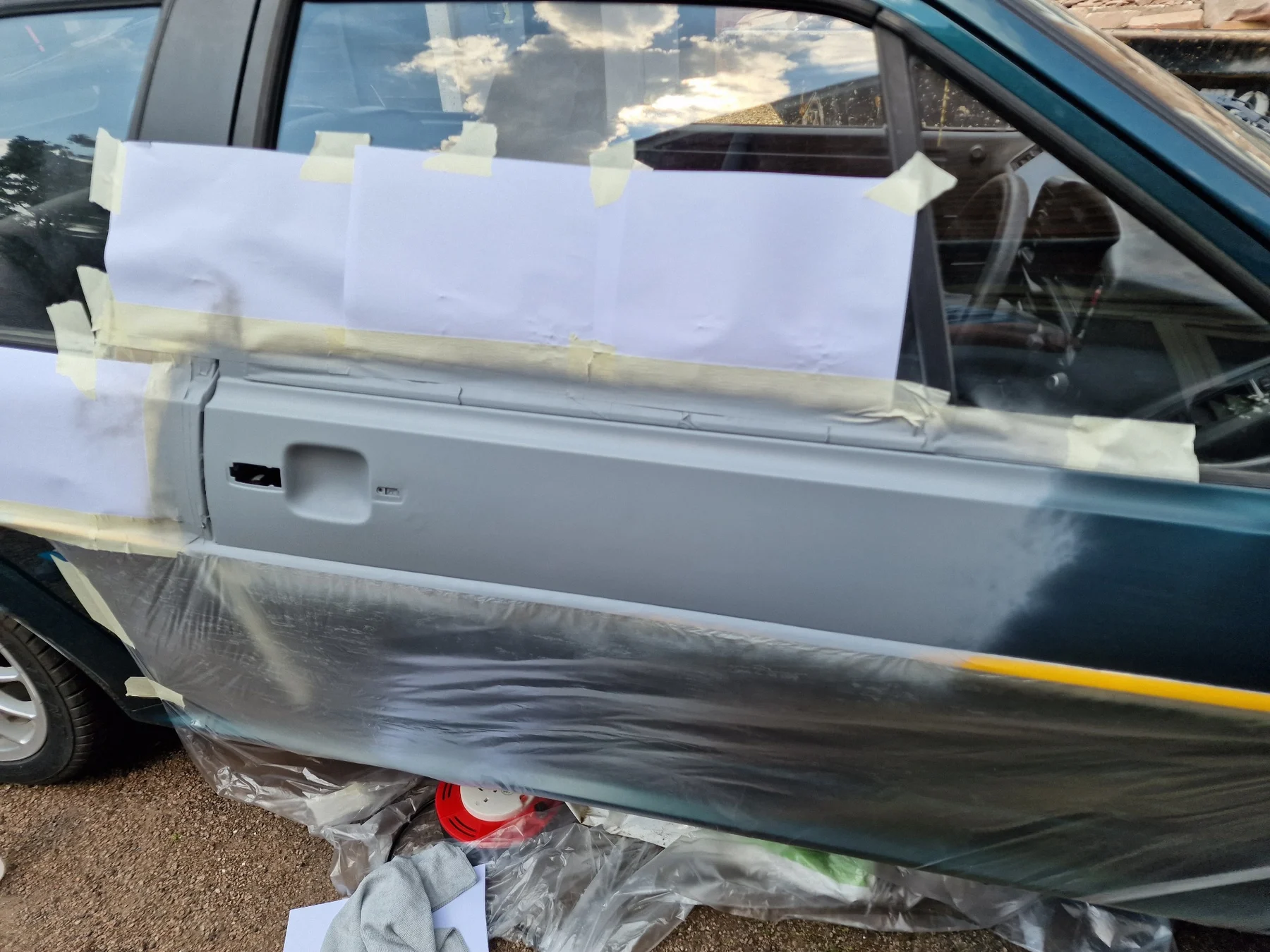
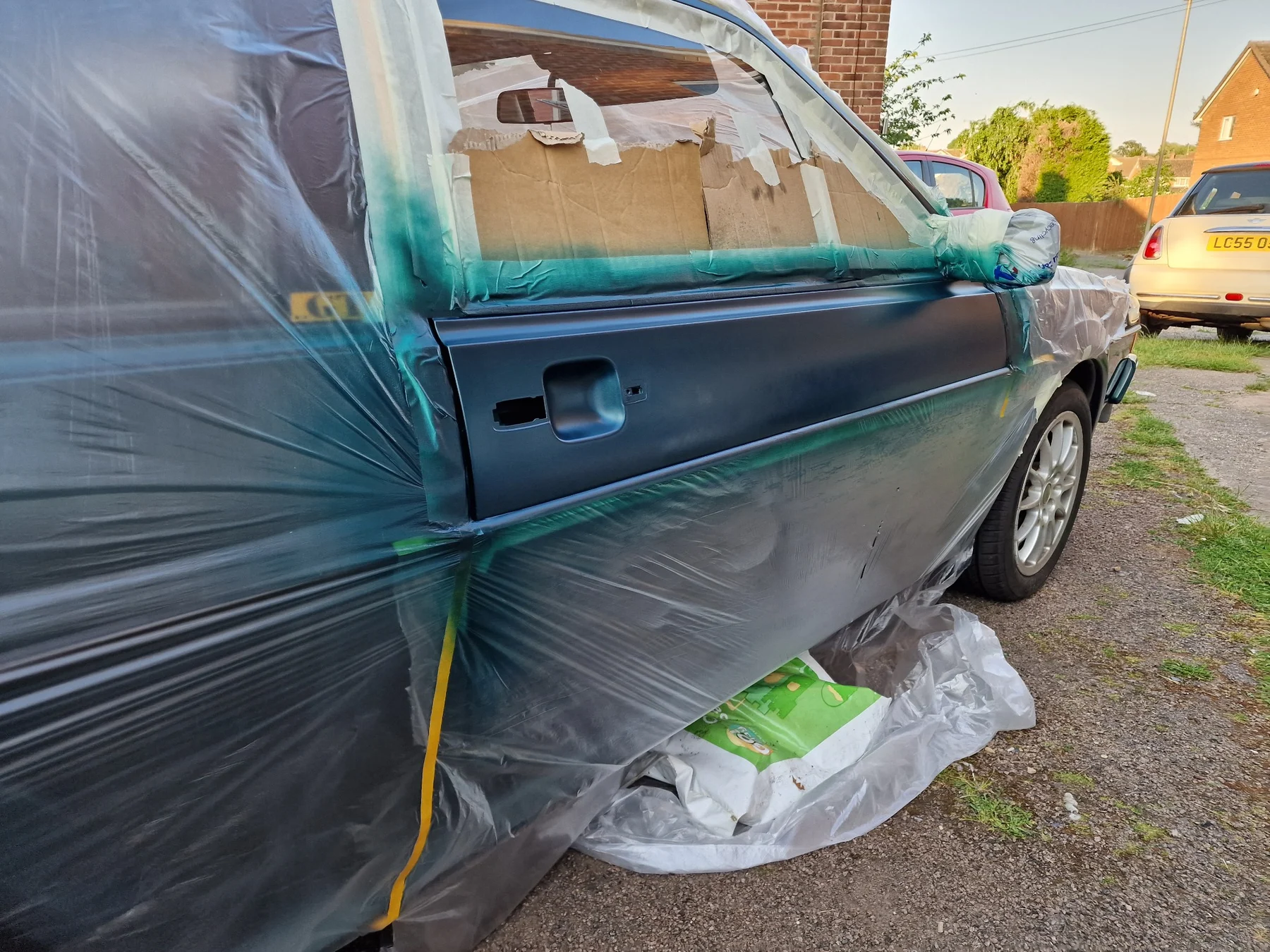
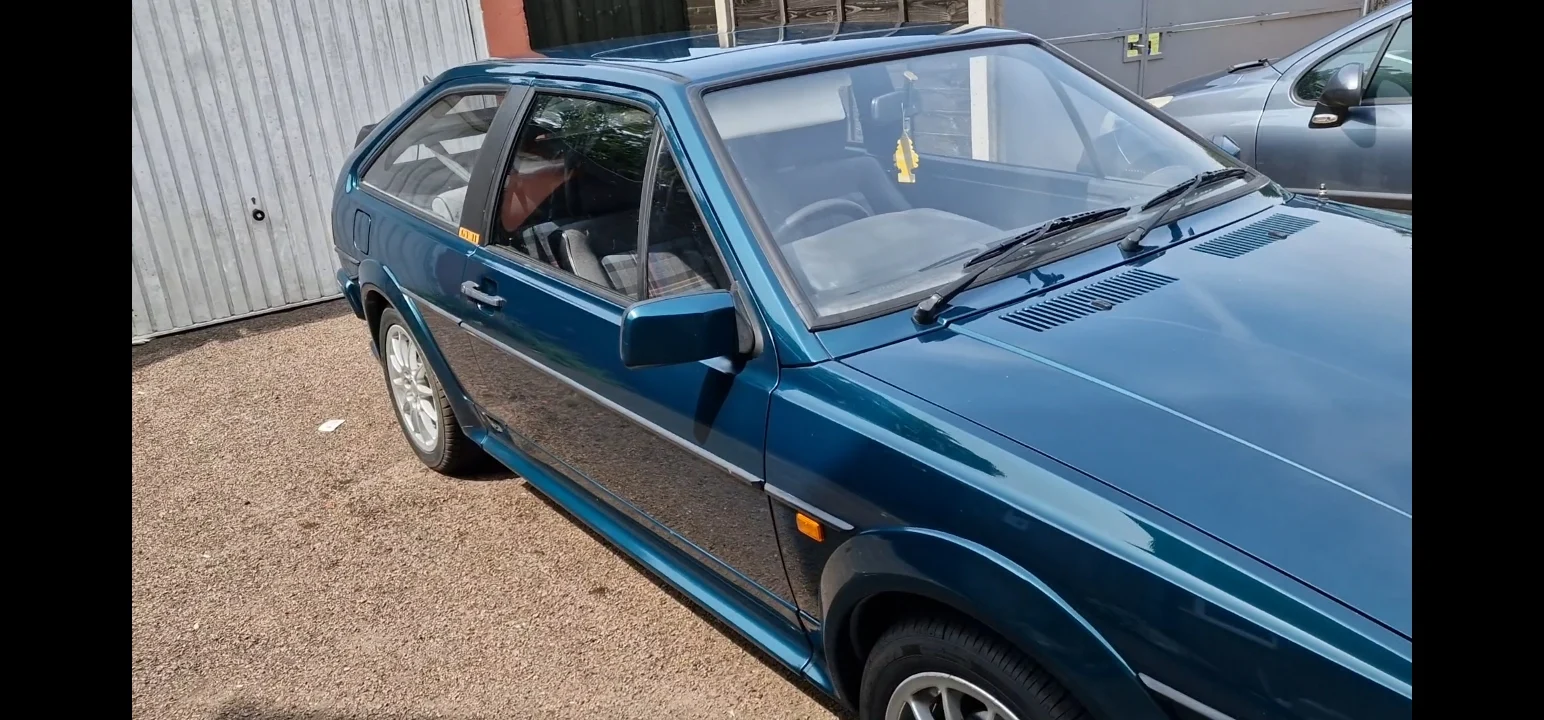
I was pleased with the improvement, but I’d never present this as flawless professional bodyshop work. It was a careful localised driveway repair that stopped one damaged area dominating the appearance of the whole side.
Refinishing products can contain hazardous solvents, and two-pack products may contain isocyanates. They’re not casual driveway products without the right knowledge, controlled environment and proper respiratory and personal protective equipment. If the materials, damage or working conditions are unsuitable, professional refinishing is the right answer.
Most of the transformation was already in the paint
The local repair helped, but much of the change came from improving the paint that was already on the car. After cleaning and decontamination, I assessed the finish panel by panel and used careful machine polishing to restore clarity, depth and gloss.
I kept the approach conservative. The right pad, polish or abrasive depends on the paint system, the defect and how much safe material remains. There isn’t a single grit or polishing combination that should be treated as a universal recipe, especially on an older car with an unknown paint history.
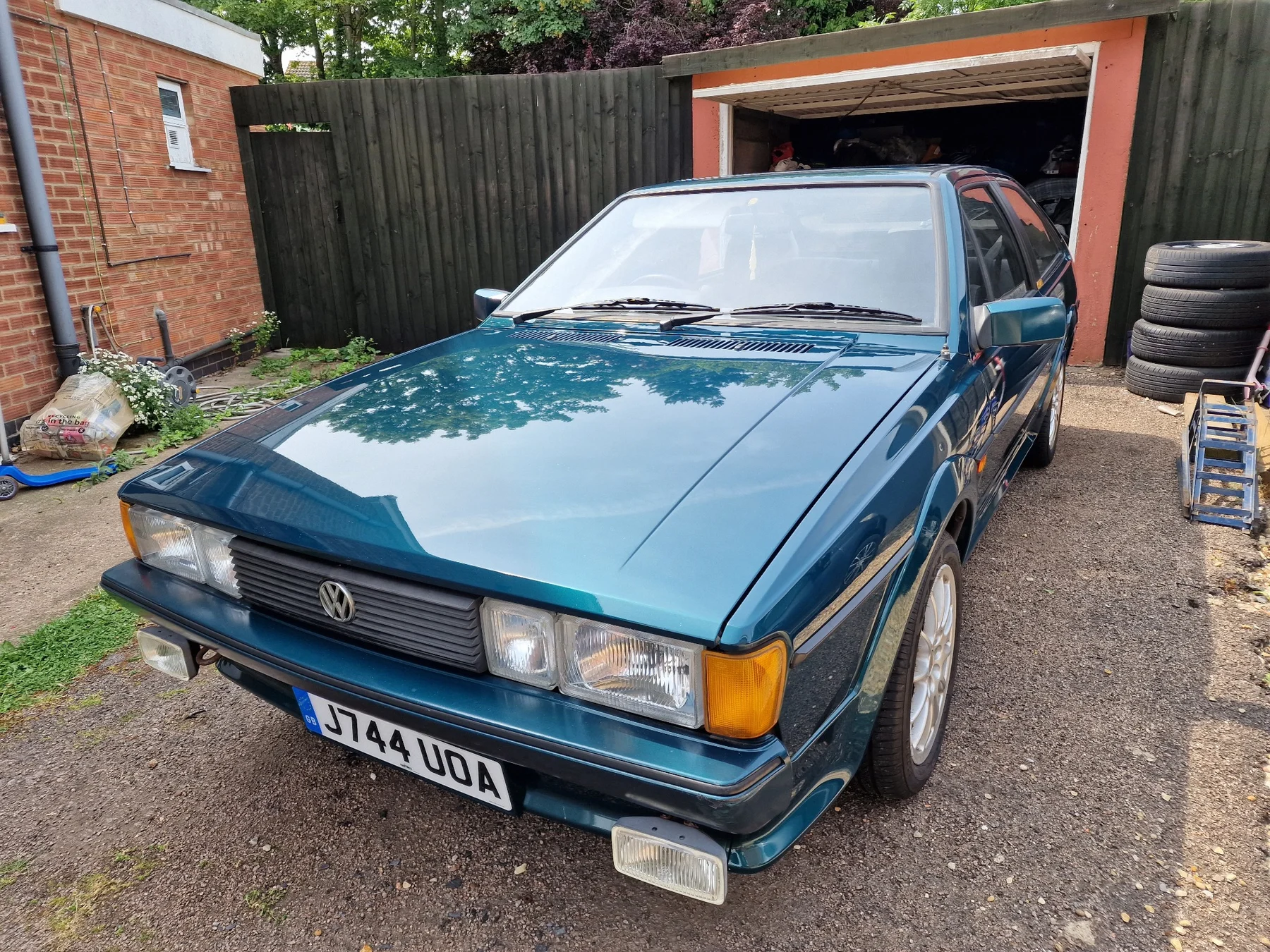
The finished car
The Scirocco wasn’t perfect afterwards, and it was never meant to be. The difference came from choosing the areas that mattered, improving them carefully and letting the whole car benefit from the result.
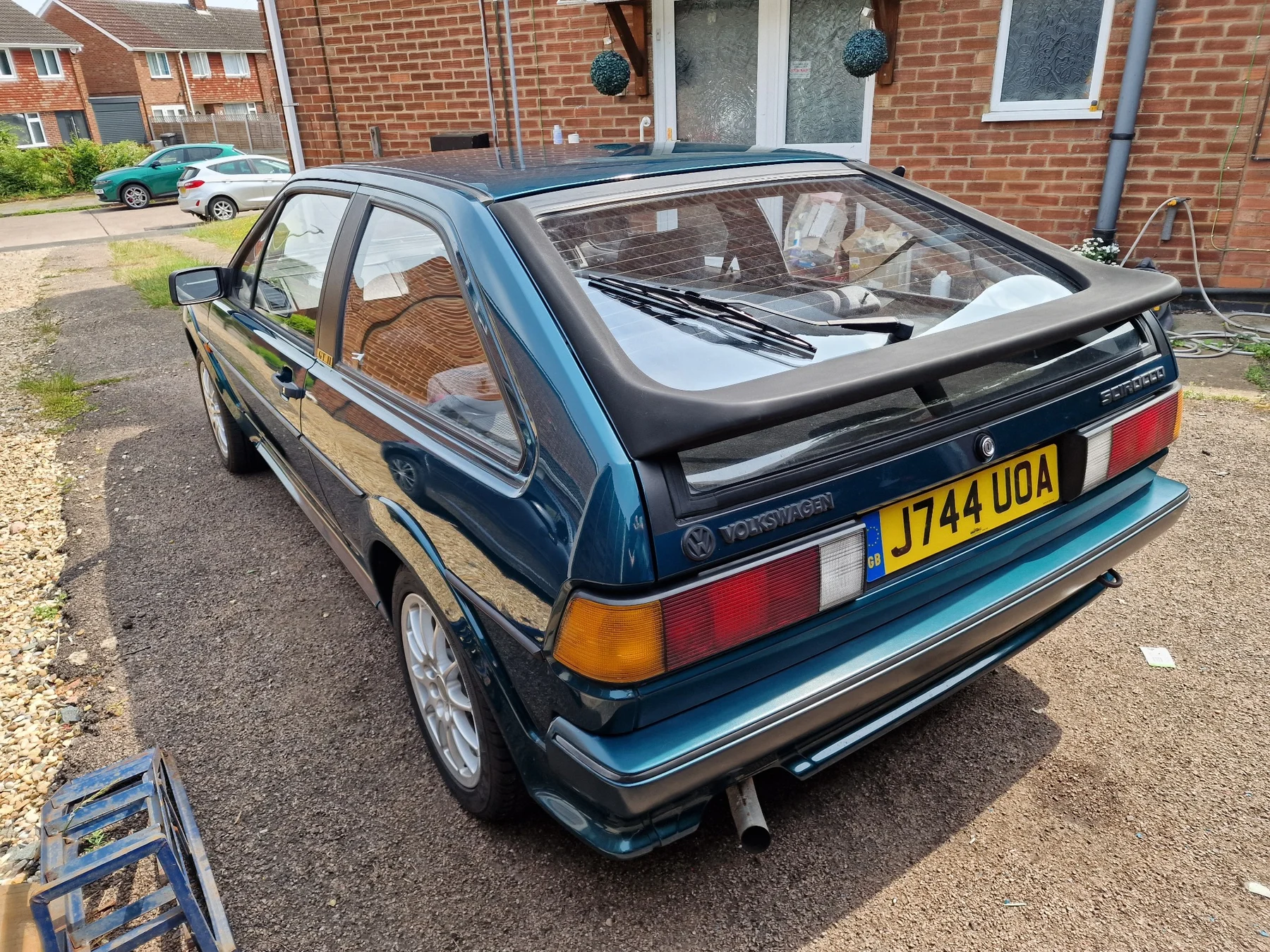
Watch the finished Scirocco
What I took from it
I didn’t turn the Scirocco into a restored or freshly resprayed car. I simply concentrated on the areas that made the biggest visual difference, worked carefully and accepted what a sympathetic driveway improvement could realistically achieve.
A relatively modest amount of cosmetic work transformed how the whole car looked and felt. That’s the wider Forecourt Insider lesson: good preparation can make an older used car present dramatically better without pretending it needs—or has received—a full restoration.
For the practical principles behind the work, visit Car Care & Advice, safe washing and basic detailing or the beginner machine-polishing guide.