
Practical advice · Real experience
Part Exchange or Sell Privately? How the Deal Really Works
Part exchange is two connected transactions: the dealer is buying your current car while you’re buying the next one. A private sale can put more money in your pocket, but that doesn’t automatically make it the better decision. I’d weigh the likely return against the car itself, the time and hassle involved, and how easy it will actually be for a private buyer to commit.
Part exchange normally sacrifices some potential return in exchange for speed, convenience and a structured changeover. The right answer depends on the car, the likely private buyer and the complete cost of the next deal—not simply the biggest number written beside your old car.

The real private-sale versus part-exchange decision
Selling privately may achieve more money because you’re doing work the dealer would otherwise take on: preparing the car, advertising it, answering enquiries, arranging viewings, checking test-drive insurance, confirming payment and completing the handover. That extra return isn’t free money; it’s the reward for your time and responsibility.
Part exchange is usually simpler. The dealer takes your car as part of the same transaction, deals with any agreed finance settlement and accepts the onward preparation and resale risk. Convenience, timing, buyer confidence, funding and warranty expectations all belong in the decision alongside the headline price.
In my experience, private selling generally becomes harder as vehicle value rises. Once you’re around or above £10,000—not as a hard cutoff, but as a practical observation—many buyers become understandably cautious about handing a private seller that amount of money. They may prefer dealer backup, finance, warranty support and a more structured buying process. A higher-value car can be worth more privately and still be much harder to sell privately.
How a dealer actually appraises your car
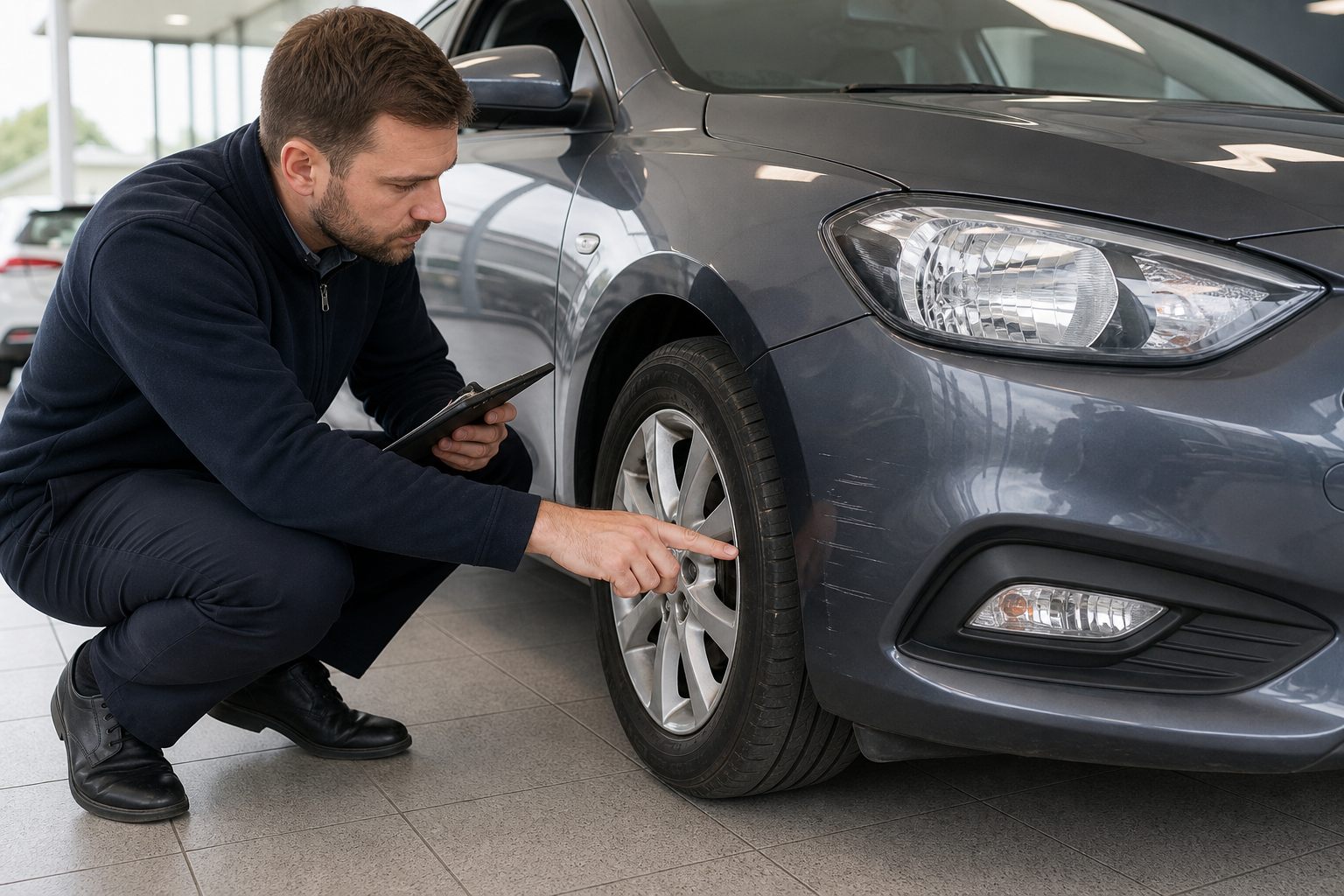
A proper appraisal starts with identity and provenance: registration, chassis or VIN details, exact mileage and the relevant vehicle-history or HPI check. The appraiser should also establish the service record, number of keys and anything you know about the car’s use or condition.
The physical walk-around should record dents, chips, scratches, bumper scuffs, paint and panel condition, wheels, tyre depths, glass, lights and trim. Inside, I’d expect the appraiser to look at general wear, odours, pet hair, warning lights, controls and anything suggesting the car has been neglected or will need specialist preparation.
Ideally, the car should be driven. Clutch feel, steering, brakes, knocks, bangs, unusual noises and general drivability can all change the picture. A static walk-around can’t reveal everything a few sensible miles will.
What happens while you test-drive the next car
Before you head out in the replacement car, the sales executive will often leave the appraisal and customer debrief with a manager. That debrief may cover your budget, deposit, annual mileage, likely change cycle, preferred funding and anything you’ve said about paying by cash or bank transfer, alongside the condition of the part exchange.
While you’re driving the next car, the manager can value yours, build the offer and prepare the figures. Done properly, that isn’t somebody disappearing to play a game; it’s work happening in parallel so you aren’t left waiting when you return.
Different dealers divide the roles differently, but the principle is much the same: the salesperson gathers the information and the valuing manager turns it into a commercial decision.
Why the salesperson’s appraisal matters
The manager setting the figure often relies heavily on the person who has actually seen and driven the car. If the message is, “This is a really nice car, properly looked after, clean, good history, sensible tyres—we could retail this,” the manager can approach it with more confidence.
If the appraisal instead records a dirty interior, pet hair, smoke or wet-dog odours, scratches, poor tyres, missing history, warning lights and generally neglected presentation, preparation cost and risk start appearing in the valuation.
Preparing the car properly doesn’t magically add £500. What it can do is reduce the reasons for a manager to deduct money from an otherwise clean trade value. That’s a far more honest way to think about it.
Retail stock and trade stock are valued differently
A retail-quality part exchange is one the dealer believes it can prepare and sell again: the age and mileage suit its policy, the history makes sense, condition is good, preparation is manageable and the mechanical risk feels sensible. It also has to fit that dealer’s stock profile—an excellent car can still be wrong for a particular business.
Trade stock is more likely to be too old or high-mileage for the policy, poorly documented, heavily damaged, mechanically uncertain or simply undesirable for that site. Warning lights, unpleasant odours and costly preparation can push a car towards auction or another trade buyer rather than the retail pitch.
In my current buying role, genuinely clean, retailable stock can be difficult to source, particularly cars around three years and older, below roughly 60,000 miles and supported by decent history. That isn’t every dealer’s rule, but it explains why a good part exchange can be attractive: buying a similar car elsewhere may add purchasing fees, auction fees, transport costs and acquisition risk.
Prepare it properly—but don’t overspend
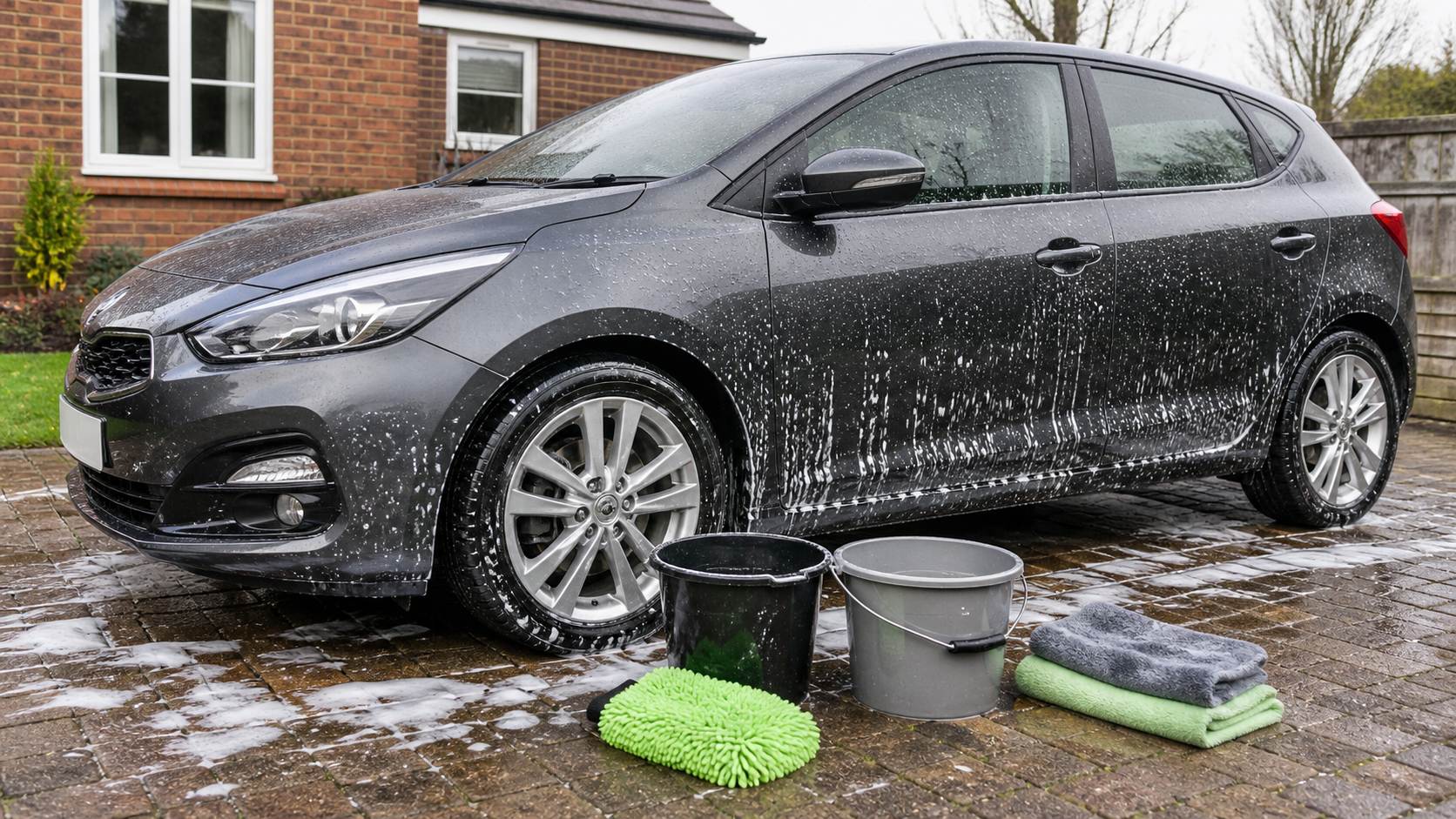
Give the car a proper wash and dry, vacuum the cabin and boot, remove rubbish and obvious pet hair, and deal sensibly with avoidable odours. If the paint will respond, another ten or fifteen minutes with a suitable hand polish or wax after washing can make a very noticeable difference. Tidy the inexpensive details that help the car look cared for.
That work may not add hundreds of pounds, but it can reduce the chance of deductions from a clean trade value. The appraiser can see the actual condition without having to imagine what sits beneath dirt and clutter.
Don’t try to retail-prepare the whole car yourself at retail cost. There’s often little point paying £500 for a repair when the dealer may handle the same issue for much less through trade labour rates, volume bodywork or wheel-refurbishment contracts, supplier pricing and VAT recovery where it applies. Get the easy presentation wins; don’t assume every scuffed wheel or small bodywork mark needs fixing before appraisal.
Pet hair and odours matter more than people think
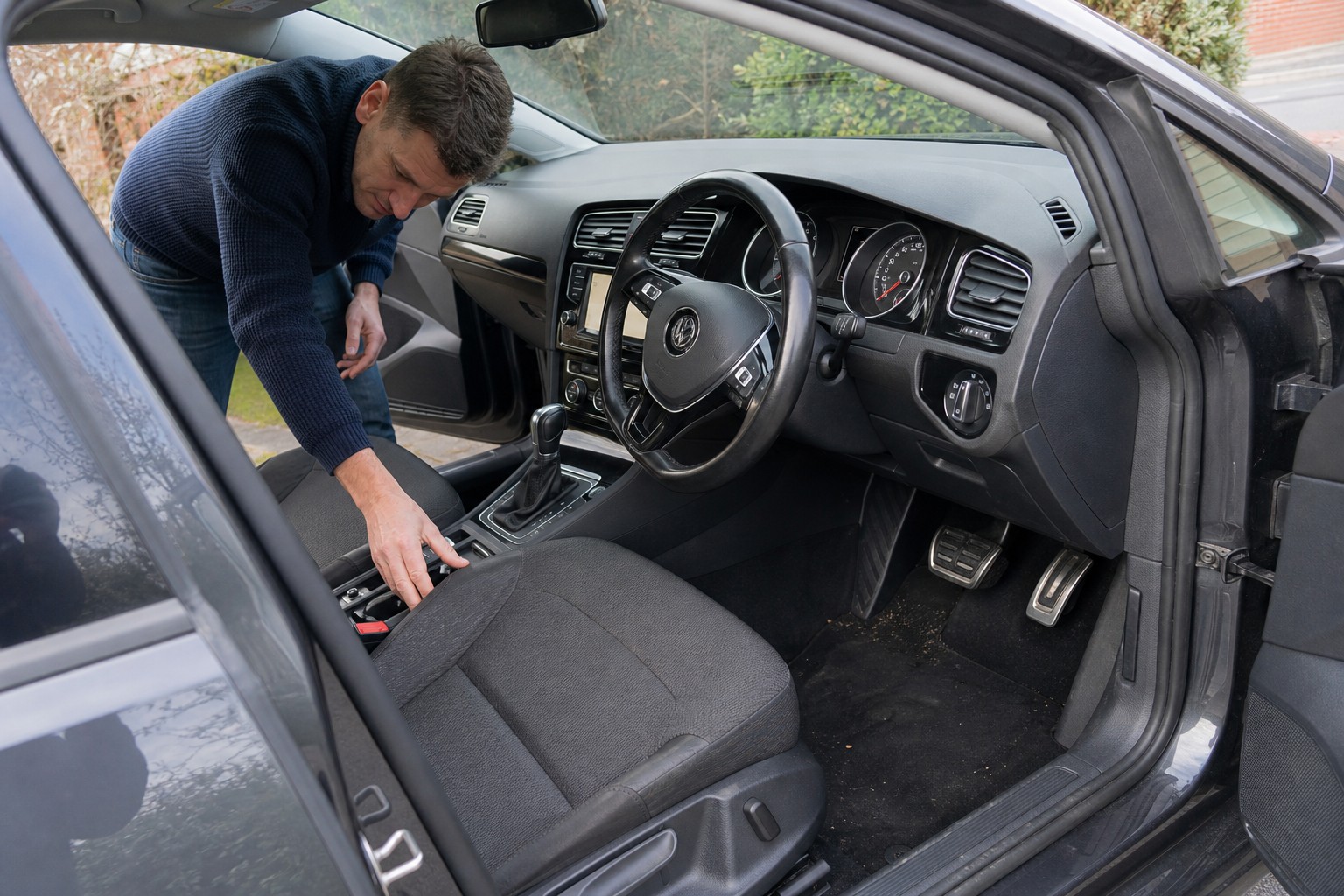
Heavy tobacco smoke, wet-dog or other pet odours and ingrained hair can have a surprisingly strong effect on how a dealer views the car. Severe cases may make an otherwise usable vehicle unattractive as retail stock and move the valuation towards trade or auction disposal.
Vacuum thoroughly and use a proper rubber pet-hair tool carefully, working with the carpet rather than aggressively fluffing or damaging it. Use deodorising products as directed and don’t simply drown the cabin in air freshener. Air-conditioning “bomb” style products may reduce some smells when used correctly, but they can’t guarantee removal of a deeply ingrained odour.
If the smell or hair is beyond what you can sensibly remove, be honest about it and let the valuation reflect the work. Trying to mask the problem with a strong fragrance usually makes the car less convincing, not more.
Put the shoe on the other foot
If you arrived at a dealership and the car you’d booked to view was dirty, full of crumbs, covered in pet hair, smelling of cigarettes or carrying easy-to-fix presentation problems, you’d probably question the preparation. The same principle works both ways.
You’re buying the dealer’s car, but the dealer is also buying yours. Presenting it cleanly and describing it honestly is reasonable. It helps the appraiser see what’s genuinely there and gives both sides a better chance of agreeing a figure without late surprises.
Bring the actual car you want valued
Customers sometimes want a firm part-exchange figure without bringing the car. A telephone or online estimate can be useful for an early conversation, but it can’t confidently account for damage, tyre condition, warning lights, odours, mechanical feel or drivability.
I’d turn the situation around: would you agree to buy the dealer’s car if they said it was locked in a compound and you couldn’t see, touch or drive it? Probably not. If you want the strongest and most accurate appraisal, bring the actual car and allow enough time for it to be inspected properly.
An online valuation is a starting point—not a promise
An online valuation can help you sense-check the market and decide whether a conversation is worth having. It usually works from registration, mileage and broad assumptions about condition, history and demand. It can’t know what the car is actually like until somebody sees it.
That doesn’t make an online figure dishonest; it makes it provisional. If a physical appraisal changes it, ask the dealer to explain why in plain English. A sensible explanation may be a preparation cost, missing history, tyre condition, an unresolved fault or the fact that the car doesn’t suit that dealer’s current stock policy.
Why different dealers can quote different figures
A car’s value isn’t a single number printed somewhere. One dealer may be able to retail it quickly, while another may need to trade it because of its brand, age, mileage, colour, stock profile, local demand or preparation capacity. Their likely route, costs and appetite for the car can all be different.
Compare like with like. Make sure each dealer has seen the same car, knows the same history and is quoting against the same replacement-car specification. Then judge the complete changeover rather than chasing the largest allowance in isolation.
Tyres, wheels and keys are cost items
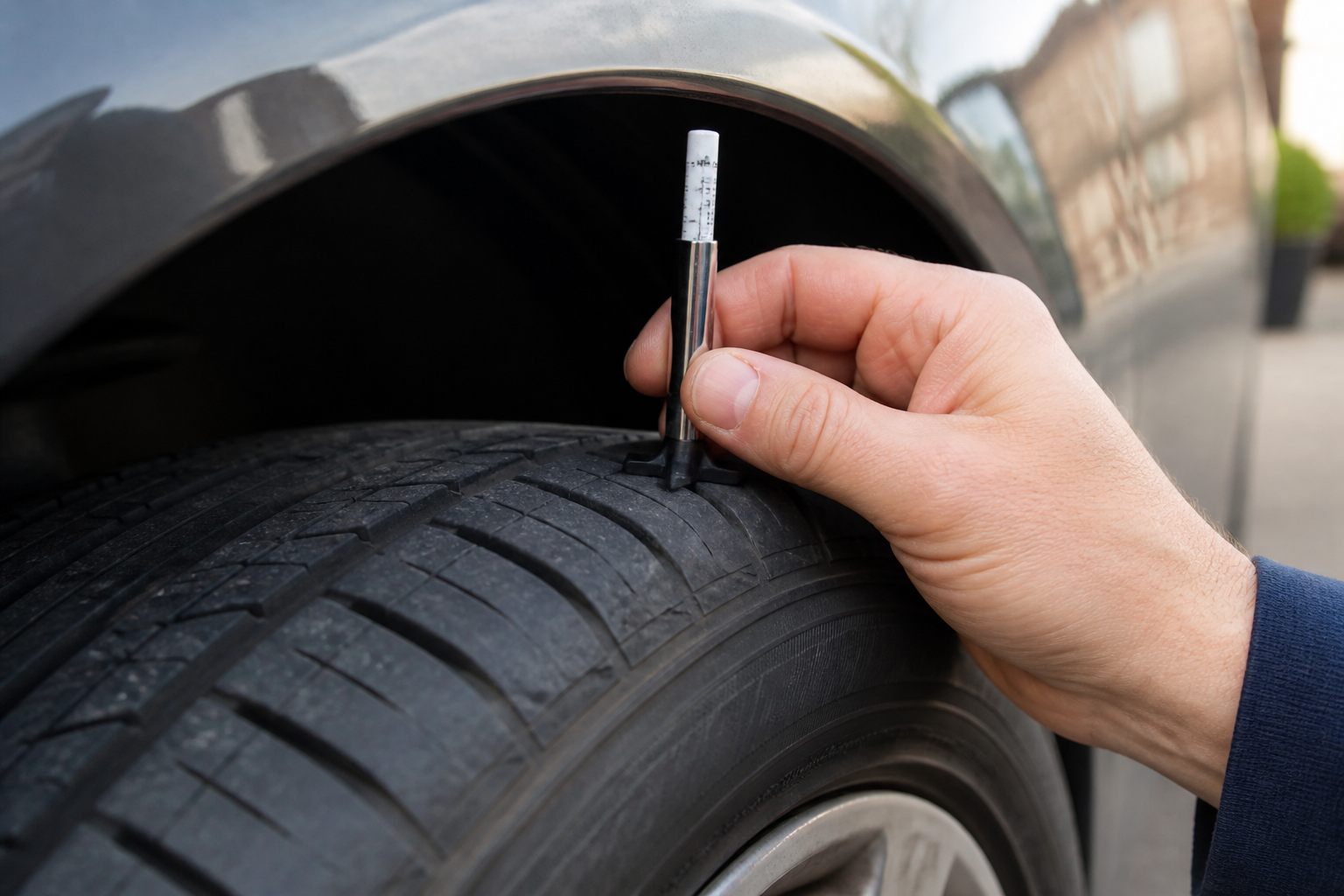
Tyres approaching replacement, scuffed wheels, a missing second key and minor cosmetic defects are normally predictable preparation costs. The dealer can estimate them and factor them into the valuation.
Trade costs vary between businesses, so there’s no honest universal figure for a tyre, wheel or replacement key. Their value to the appraisal is that they’re measurable: the problem is visible and the likely remedy is understood.
Warning lights are risk items
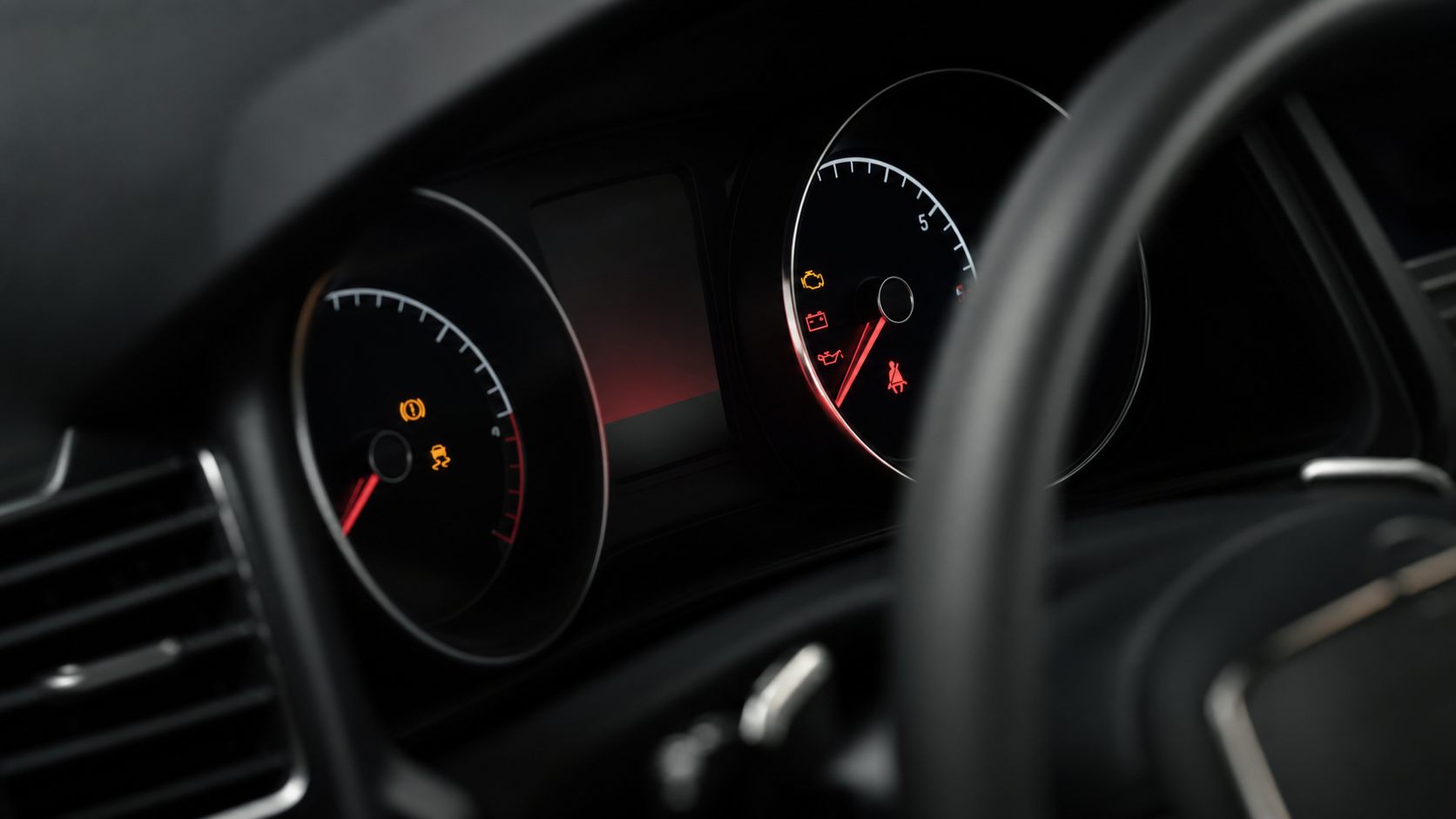
An unresolved engine-management light is different. It might be a relatively minor sensor fault or a symptom of something much more expensive, and the dealer can’t value that uncertainty in the same way as a known wheel-refurbishment cost.
When I ran dealerships, I wouldn’t knowingly take a car into stock or part exchange with an unresolved engine-management light unless it had been properly diagnosed and repaired. Other dealers may set a different policy, but the commercial concern is the same: until the cause is known, somebody has to carry the risk.
If you repair a warning-light fault, do it properly, keep the invoice and show what was done. Clearing the light just before appraisal doesn’t fix the car and can destroy trust if the fault returns.
Service history depends on the car

Service history matters, but how much it matters depends on age, mileage, engine, drivetrain, manufacturer, warranty position, known model-specific risks and whether the dealer intends to retail or trade the car. A rigid rule won’t fit everything.
Traditional expectations can differ on an electric car because its service schedule and maintenance needs aren’t the same as a combustion-engined vehicle. On some older, out-of-warranty mainstream cars, patchy history may be less damaging when the dealer will carry out its own approved-used inspection and service. Completely absent history generally becomes more damaging as age, mileage, value or model risk rises.
A Mazda 2.2 diesel is a personal example where I’d be extremely cautious without strong, documented servicing because of the engine-risk considerations I associate with that particular unit. I wouldn’t generalise that to every Mazda or every diesel; it shows why the exact car matters more than a slogan about “full history”.
Honesty has to work both ways
If you expect the dealer to be straight about the car it’s selling, be equally straight about the one you’re handing over. Mention known gearbox trouble, a slipping clutch, intermittent warning lights, overheating, electrical faults or anything else material.
Don’t clear warning lights to disguise a fault or saturate the cabin with strong fragrance to hide smoke or pet odours. Across nearly three decades in the trade, I’ve seen occasional cases where a known fault was hidden in a part exchange and the same customer later expected absolute perfection from the replacement car. That isn’t most people, but it’s a useful reminder that fair dealing goes both ways.
How retail-back valuation works
A dealer may start with what it believes the car can realistically retail for and work backwards. From that likely selling price come the margin the business needs, cosmetic and mechanical preparation, servicing, warranty exposure, operating costs and an allowance for risk.
The calculation won’t be identical everywhere. Brand, dealer group, location, business model and local operating costs all affect what’s viable, which is why fixed “dealer margin” percentages are usually misleading.
If the car isn’t suitable for retail, the alternative trade or auction value becomes more important. The part-exchange offer is a buying decision made before the car has been prepared, supported and offered to its next customer.
Why the gap isn’t the dealer’s profit
If a dealer takes a car in at one figure and later advertises it for more, the difference isn’t automatically the dealer’s profit. A retail-back calculation may need to allow for some combination of mechanical preparation, servicing, MOT work, tyres, brakes and other wear items, cosmetic or bodywork preparation, wheel refurbishment, professional valeting, diagnostic uncertainty, warranty exposure, advertising, stocking or funding costs, staff and premises overhead, commercial risk and the margin the business still needs after those costs.
Not every car incurs every one of those costs, and there’s no honest universal margin or fixed percentage. The point is that acquisition value and retail asking price are separated by preparation, support, overhead and risk—not one simple block of profit.
It’s also understandable to think preparation must be free when a dealership group has its own workshop, bodyshop or valeting operation. In many groups those departments have their own labour rates, budgets, targets and overheads, so the used-car operation still carries a real internal cost even when the work stays within the same organisation. Dealer structures vary, but “they paid £X and advertised it for £Y” still doesn’t reveal the true profit.
Finance settlement, positive equity and negative equity
If there’s finance on your current car, get a current settlement figure directly from the lender before you agree the deal. Positive equity means the agreed part-exchange value is higher than the settlement; negative equity means it’s lower. Neither needs to be mysterious, but both need to be shown clearly in the figures.
A dealer may settle the finance as part of the transaction, but I’d still check who’s paying what, that the settlement is current and how any difference is being handled. Don’t rely on a vague verbal reassurance. Keep the figures and the agreement in writing, and ask the lender if you need help understanding the settlement itself.
Compare the total cost to change
The headline part-exchange allowance is one line in a bigger transaction. Keep the replacement car’s price, the allowance, any outstanding-finance settlement, deposit and finance terms visible separately.
A dealer can appear generous on the part exchange when the replacement car is correspondingly more expensive. The ideal result is a competitively priced replacement car, a fair and honest part-exchange value and a sensible total cost to change.
- Replacement car
- £20,000
- Part exchange
- − £12,000
- Balance to change
- £8,000
- Replacement car
- £18,750
- Part exchange
- − £11,000
- Balance to change
- £7,750
Dealer A’s allowance is £1,000 higher, but Dealer B still costs £250 less overall.
- Replacement car price
- starting point
- Less part-exchange allowance
- your agreed value
- Plus or minus settlement or equity
- confirm it with the lender
- Plus fees or agreed extras
- keep them visible
- = Real cost to change
- the figure to compare
The motor trade has changed
The trade is far more transparent than it was twenty or thirty years ago. Online pricing, market-comparison tools, customer reviews, manufacturer standards, regulation and intense competition all make it much easier for people to compare cars and businesses. That doesn’t mean every dealer is good or every appraisal is perfect.
A reputable franchised dealer or larger independent doesn’t want cars coming back like a boomerang. It wants stock prepared properly, customers who are satisfied, repeat business, fewer complaints and transactions that stay sold.
There are commercial interests on both sides, but everybody involved deserves the same level of respect. A straightforward appraisal, honest description and clear set of figures make a better deal than trying to outsmart one another.
So which route would I choose?
I’d start with the car’s likely private demand and the realistic difference in return—not the difference between a dealer’s offer and the highest retail advert online. Then I’d account for preparation, advertising, time, viewings, payment risk, any outstanding finance and how quickly the next purchase needs to happen.
An easy-to-sell, sensibly priced lower-value car may justify a private advert. A higher-value, specialist or difficult-to-fund private purchase may sit for weeks despite looking more valuable on paper. Part exchange can be the better overall decision when it makes the timing work and gives you a fair, transparent cost to change.
Whichever route you choose, prepare the car sensibly, gather its history and keys, explain faults honestly and compare the likely return with the time, effort and risk involved.