
Servicing and ownership
Is Main Dealer Servicing Worth It?
Sometimes, absolutely—but not on every car and not forever. It depends on the car’s age, value, warranty position, any service-linked benefits and what the next owner is likely to care about.
Paying a main dealer can be worthwhile when it protects a meaningful manufacturer benefit, provides the right technical support or strengthens provenance on the sort of car where buyers notice it. On an older car with no meaningful network advantage, a strong specialist or independent may deliver the correct documented maintenance for a more sensible price.
What are you actually getting for the extra money?
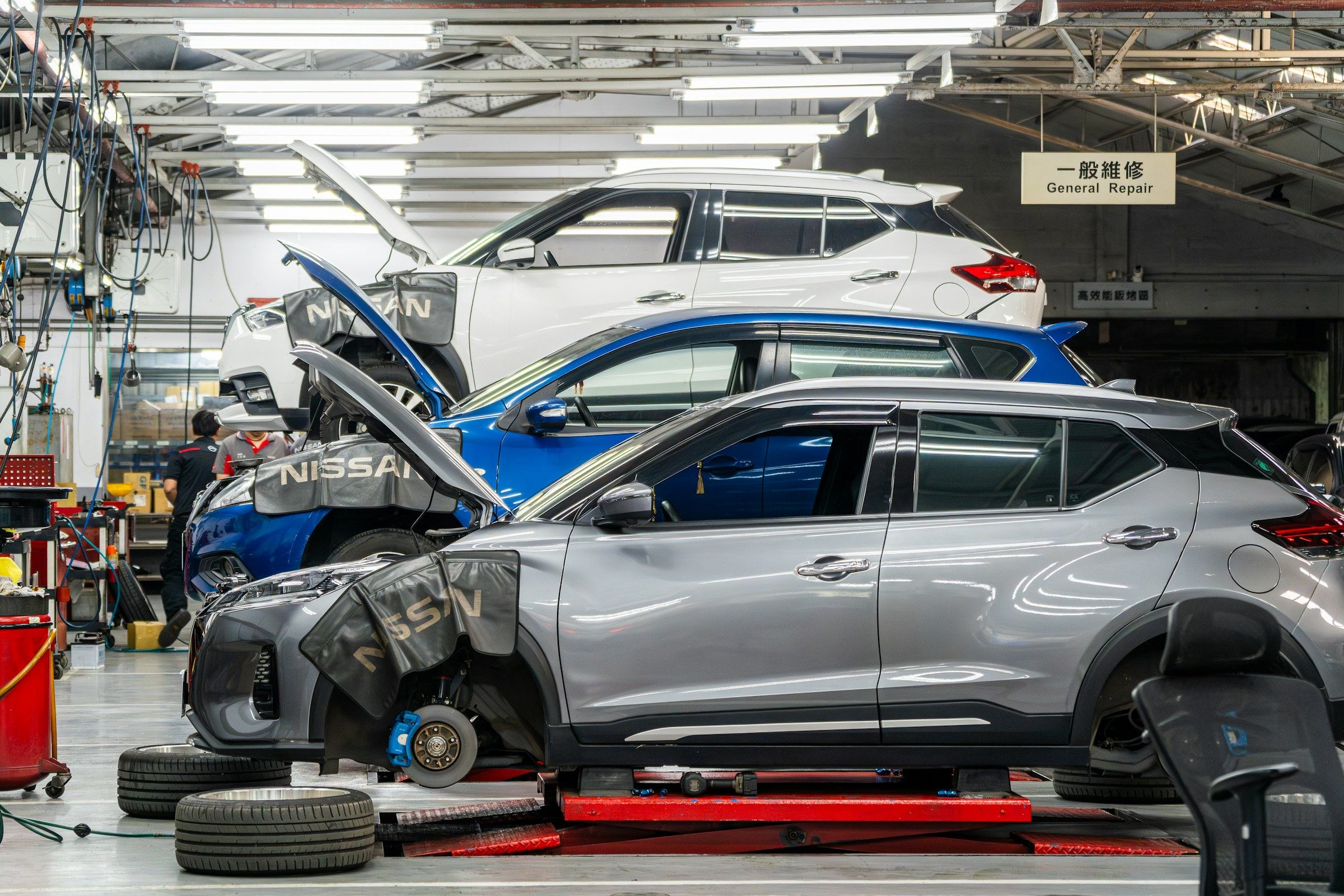
At its best, main-dealer servicing buys more than labour and an invoice. It can mean technicians who work with the marque every day, brand-specific diagnostic equipment, current technical information, the right manufacturer procedures and a workshop that understands how warranty claims and digital records are handled. Depending on the car, it may also mean software updates, an opportunity to identify outstanding recalls or service campaigns, and correct manufacturer-approved fluids and parts.
None of that makes every dealer visit automatically better value. The benefit is much greater on some cars than others. A nearly-new, complex £40,000 car with manufacturer support is a very different proposition from a 12-year-old £4,000 car that has long since left every meaningful support programme.
Warranty, service plans and maintenance plans are not the same thing
Servicing outside a franchised dealer doesn’t automatically invalidate a manufacturer warranty, provided the work meets the required schedule and standards. That still leaves a lot to get right: timing, correct parts and fluid specifications, competent work and invoices that prove what was done. If there’s ever a warranty dispute, the exact current warranty terms for that vehicle matter more than general internet advice.
Keep the categories separate. The original new-car warranty is the manufacturer cover supplied with the car. An extended or manufacturer-backed warranty is a separate product or continuation of support. A service-activated warranty is additional cover that may be triggered by a qualifying dealer service. A service plan pays for specified scheduled servicing; it isn’t fault cover. A maintenance plan can be wider again, but may still exclude wear items and repairs.
Why the answer differs by brand
Current UK manufacturer schemes demonstrate why a simple dealer-versus-independent answer is too blunt. Toyota says that an eligible vehicle can receive Service Activated Warranty following a qualifying service at an Approved Toyota dealer, up to its stated age and mileage limits. That can materially change the value calculation for an eligible Toyota, because a dealer service may activate useful cover rather than simply add a stamp.
Kia’s UK Kia Care plans are designed around age and mileage, using trained technicians and Genuine Kia parts; Kia says its fixed-price plans can be transferred to a new owner. Hyundai offers plans for any Hyundai model, age and mileage, with fixed pricing and Hyundai-trained technicians using genuine parts and diagnostics. These are useful examples of why service-plan value, record continuity and support can vary by brand. They aren’t permanent promises: terms, eligibility and inclusions can change.
When a prepaid service plan makes sense
A fixed-price or prepaid service plan can be particularly attractive on a new car. It turns known scheduled servicing into a predictable cost, may protect against price inflation and keeps the servicing decision simple while the car is within its early ownership years. Depending on manufacturer and dealer policy, it can sometimes form part of the overall purchase conversation—but never assume it will be discounted or included.
Read what the plan actually covers. Scheduled services, parts, lubricants and labour may be included, while tyres, brake pads, wipers, bulbs, fluid top-ups between services, repairs and extra maintenance may not be. Check time and mileage assumptions, transfer and cancellation terms, and whether the plan follows the car if it’s sold. A good plan is a budgeting tool; it isn’t a warranty and it isn’t a guarantee that every future repair is paid for.
Main dealer, marque specialist or independent?
There’s no sensible league table that ranks every dealer above every specialist or every independent. Choose the workshop that best fits the vehicle and the work due. A strong marque specialist can be exceptionally good on an older premium or enthusiast car. A good general independent can be excellent value for routine servicing on an older, straightforward vehicle. A main dealer is often strongest where manufacturer systems, updates, support or history genuinely affect the ownership decision.
| Workshop choice | Typical strengths | Often best suited to | Questions worth asking |
|---|---|---|---|
| Main dealer | Manufacturer-trained staff, brand systems and data, software or campaign work, digital record updates and warranty-process familiarity. | Newer cars, valuable manufacturer support, premium or specialist cars and owners who value a continuous dealer record. | What exact checks, updates, parts and record updates are included—and which items are extra? |
| Marque specialist | Deep experience of one brand or model family, often with a more personal relationship and lower labour cost. | Older, enthusiast, premium or complex cars once manufacturer-network benefits matter less. | Which diagnostic access, technical information and parts choices are available for this exact car? |
| Good independent | Competitive routine maintenance and clear local accountability when the garage is carefully chosen. | Older or straightforward cars where correct, documented maintenance matters more than a franchise stamp. | Will the work follow the correct schedule, use the right specification fluids and be itemised properly on the invoice? |
Age and value change the answer
The more money I’m spending or preserving, the less tolerant I become of unexplained faults, weak history or vague preparation. A newer £40,000 car with manufacturer warranty and a likely dealer-retail future can justify paying to protect its manufacturer connection. On a 12-year-old £4,000 car, excellent documented maintenance may matter much more than paying premium franchise labour rates just to obtain another logo in the book.
There’s no hard age cut-off. A low-mileage specialist model, a premium car, a vehicle with a known maintenance-sensitive engine or a car still eligible for useful support can keep the balance leaning toward the network for longer. Equally, the owner who intends to keep an older car long term may get better value from a trusted specialist who knows that model inside out.
The evidence a future buyer can actually use
Keep dated invoices with mileage, itemised work, parts and fluid specifications where relevant, plus digital service records or stamps if the car uses them. Confirm expensive scheduled items—such as cambelts, gearbox servicing or brake fluid—with evidence rather than a verbal assurance. A smaller file of good invoices can often tell a careful buyer more than a book full of unexplained stamps.
When buying a used car, compare service mileages with the MOT-history timeline and investigate gaps calmly. The same evidence also makes a car easier to appraise or sell, which is why it matters on the Used Car Buying Guide and when selling privately.
Resale value is not always the same as saleability
A full main-dealer history can make some cars more desirable or easier to reassure a buyer about, especially newer, premium, performance or specialist models and cars still within a manufacturer scheme. That doesn’t mean every dealer invoice creates an equal cash uplift. On an older low-value car, spending a large premium may not come back in the sale price at all.
The more honest distinction is between adding a measurable amount to a valuation and making the car easier to understand, trust and sell. Clear documented maintenance is vastly better than missing history, wherever appropriately carried out. The practical preparation judgement in the Honda Accord Revival shows the same principle from another angle: sensible effort can improve presentation without pretending to turn an older car into a perfect one.
The Forecourt Insider decision framework
Main-dealer servicing is particularly worth considering when
- The car is new or nearly new and manufacturer warranty or support is relevant.
- A qualifying service activates useful cover, software work or another real benefit.
- It is premium, specialist or technically complex and provenance matters to the next buyer.
- Continuous dealer history is likely to support future desirability.
A specialist or independent may make more sense when
- The car is older and manufacturer benefits have expired.
- Its value no longer justifies premium franchise labour for routine work.
- A strong marque specialist has better relevant experience.
- The same correct maintenance can be completed and documented at a more sensible cost.
Use this as a way to ask better questions, not a rigid checklist. Compare the useful benefit to the extra cost for this car, this service and this stage of ownership.