
Individual buying guide · 1992–1997 (UK GTI)
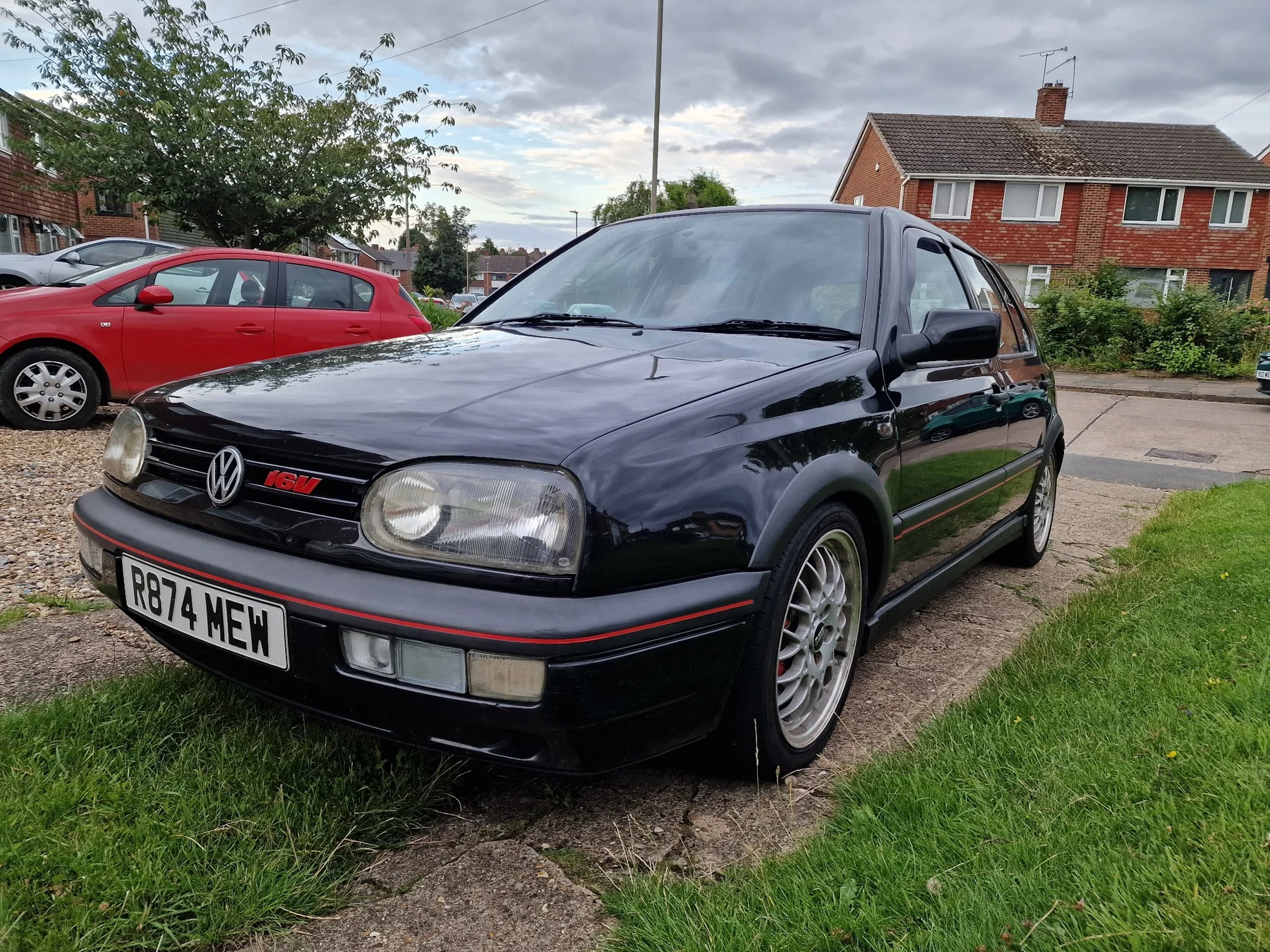
Volkswagen Golf Mk3 GTI Buying Guide
The Mk3 GTI has never had the following of the Mk2, and I can understand why. It got heavier, softer and more grown-up. The 8V in particular isn’t quick, even by old hot-hatch standards. But that doesn’t make the Mk3 a bad car.
Buy a decent one now and you get a simple, usable old Golf that still feels very different from a modern car. The big decision is whether you want the 115 PS 8V or the 150 PS ABF 16V, because they’re noticeably different to drive.
Condition matters more than mileage at this age. Rust, bad repairs, missing trim and years of cheap modifications will cost you far more than buying one with another 20,000 miles on it.
Then there are the special editions. The Anniversary is probably the one most people recognise, while the Colour Concept went much louder with its colour-coded leather interiors. Both need checking properly because it’s easy to fit wheels, badges and trim to an ordinary GTI.
At a glance
1992–1997
2.0 8V and 2.0 16V ABF
115 PS 8V / 150 PS 16V
Three- and five-door hatchback
20th Anniversary and Colour Concept
Front-wheel drive
The UK GTI range
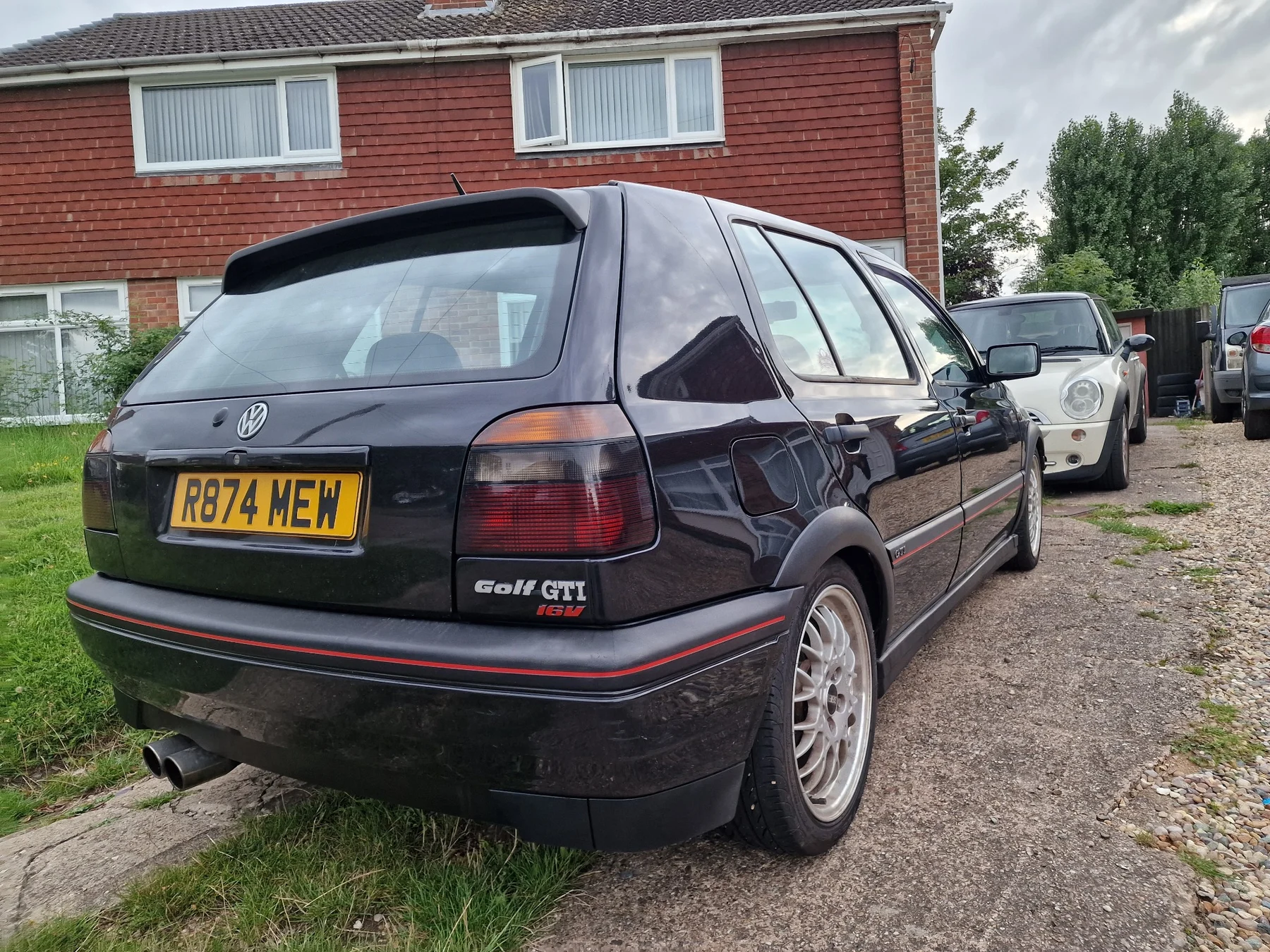
In the UK the Mk3 GTI came with two petrol engines: the 115 PS 2.0 8V and the 150 PS 2.0 16V ABF.
That 35 PS difference sounds fairly modest on paper, but the engines make the cars feel quite different. The 8V does most of its work lower down, while the ABF gets much more interesting once you start using the revs.
The Anniversary arrived later with its own wheels, interior and red detailing. The Colour Concept took a very different route with brightly coloured leather matched to the exterior.
2.0 8V and 2.0 16V ABF
2.0 8V GTI
- Capacity
- 1,984 cc
- Engine codes
- 2E, followed by ADY and AGG
- Layout
- Four-cylinder, eight valves, naturally aspirated
- Output
- 115 PS; about 166 Nm
- Timing drive
- Toothed belt
- Gearbox
- Five-speed manual; some cars used the four-speed automatic
The 8V isn’t fast. There’s no point pretending it is.
What it does have is enough low-down torque that you don’t need to thrash it everywhere. Around normal roads it’s easy to drive and it feels more relaxed than the 16V.
If outright performance is the main reason you want a GTI, the 8V probably isn’t going to scratch that itch. If you want a simple old Golf that you can use regularly and you’re not bothered about chasing the rev counter, it still makes sense.
Early cars used the 2E, with ADY and AGG appearing later. Check the code on the car rather than assuming every Mk3 GTI should have the same engine.
Reliability and durability
They’re fundamentally tough engines. At this age I’d be more interested in how it starts, how it idles, whether the cooling system behaves itself and whether the servicing has been kept up than worrying about whether the engine is a 2E, ADY or AGG.
What to check on this engine
- Starts properly cold and hot.
- Steady idle and clean throttle response.
- No serious oil leaks or repeated overheating.
- Sensible cambelt history.
2.0 16V ABF
- Capacity
- 1,984 cc
- Engine code
- ABF
- Layout
- Four-cylinder, 16-valve crossflow head, naturally aspirated
- Output
- 150 PS; about 180 Nm
- Management
- Bosch Motronic
- Timing drive
- Toothed belt
- Gearbox
- Five-speed cable-change manual
The ABF is the engine I’d expect most people looking for a quicker Mk3 GTI to be drawn towards.
You get 150 PS rather than 115 PS and the difference is obvious once the revs rise. It still drives perfectly happily around town, but the engine has much more to give when you work it harder.
That suits the GTI badge better in my view, although I’d still take a really good 8V over a rough 16V.
Reliability and durability
The ABF has built a strong reputation over the years and there’s still plenty of knowledge and parts support around it. That doesn’t mean you should ignore poor running.
A healthy one should start easily, idle properly and pull cleanly right through the rev range. Hesitation, cutting out or intermittent starting faults need diagnosing rather than attacking with a box of random sensors. Motronic faults can involve the crank sensor, ignition or intake and vacuum leaks, so find the fault before buying parts.
What to check on this engine
- Starts cleanly cold and hot.
- Steady idle with no cutting out.
- Pulls cleanly through the full rev range.
- No repeated overheating or unexplained coolant loss.
- ABF identity and wiring match the car.
8V or 16V?
If I wanted the quicker car, I’d have the ABF. It’s that simple.
The 8V’s case is that it’s relaxed, straightforward and normally cheaper to buy. It doesn’t suddenly become the better performance car because it has more low-down torque.
The 16V is noticeably quicker and feels more like what most people expect a GTI to feel like when they use the revs.
The condition of the actual car still matters more than the badge on the engine cover.
What they are like to drive
A good Mk3 still feels like an old Golf, just a much more grown-up one than the Mk2.
The steering is lighter, there’s more sound insulation and the whole car feels heavier. That’s where a lot of the criticism came from when they were new.
The upside is that they’re easy cars to live with. They ride reasonably well, they’re comfortable on a long journey and they don’t feel hard work in normal traffic.
The 8V suits that character because you can leave it in gear and use the torque. The ABF gives the car another side. Keep the revs up and it finally starts to feel properly lively.
A tired Mk3 can feel horrible, though. Worn bushes, cheap tyres, tired dampers and badly chosen lowering springs can make one feel loose and much older than it actually is.
Bodywork and rust
Rust is the bit I’d spend proper time on now. Mechanical Mk3 Golf parts are still easy enough to find; repairing rotten arches, sills and floors properly is where the money disappears.
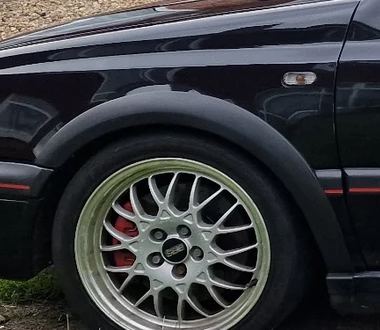
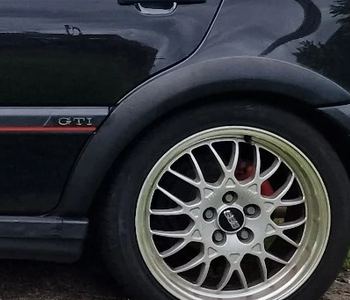
Start with the front and rear arches, especially where the plastic GTI trims meet the body. You don’t need to start pulling somebody else’s trim off. Look for bubbling along the visible edge, swelling, cracked paint and trim that doesn’t sit properly.
Then get underneath. Check the sill ends, jacking points, floor edges and the lower rear section of the front wings. Crushed jacking points and thick fresh underseal in one small area deserve a closer look.
- Front and rear arch lips and inner arches.
- Sill ends, jacking points and floor edges.
- Lower rear corners of the front wings.
- Fuel-filler area.

Tailgate and boot
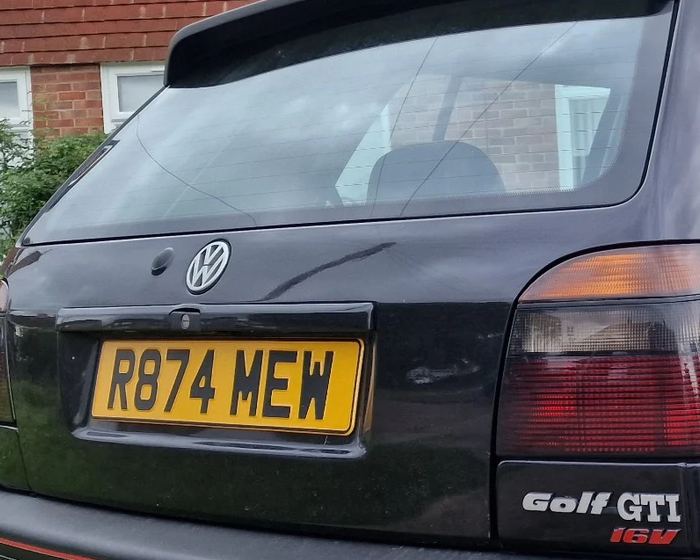
The tailgate deserves its own look because they can rust around the glass, handle, number-plate lights and rear wiper.
Open it and look at the seams rather than standing five feet away judging the paint.
Then lift the boot carpet. A wet spare-wheel well doesn’t automatically mean the tailgate itself is rotten. Rear-light seals and other seals can let water in as well, so find where it’s actually coming from.
- Bubbling around the glass and handle.
- Rusty inner seams.
- Damp boot carpet or water in the spare-wheel well.
- Failed rear-lamp seals.
Cooling system
The cooling system is one of those areas where age matters more than anything clever.
Plastic flanges, hose joints, the expansion tank, thermostat and fan controls are all old now. Look for dried pink or white coolant residue around the joints and for fresh dampness below the flanges.
Let the car get properly warm. The temperature should come up normally and then stay there. Make sure the fan actually cuts in rather than assuming it works.
A bit of creamy residue under the oil cap on a car that only does short journeys doesn’t automatically mean head gasket.
Repeated coolant loss, overheating, contamination in the oil or a cooling system that pressurises abnormally is a different matter and needs proper diagnosis.
Cambelt and servicing
Both GTI engines use a cambelt. If there’s no decent dated proof of when it was done, I’d budget to do the belt and tensioner early rather than taking the seller’s word for it.
The water pump is driven separately, so don’t automatically apply the modern “belt and pump together” rule without checking the actual engine.
Oil and filter changes matter, as do plugs, coolant and brake fluid. Gearbox oil often gets forgotten completely.
Gearbox and clutch
The 8V commonly uses the rod-operated 020 gearbox while the ABF uses the heavier cable-change 02A.
Neither should feel like you’re stirring a bucket.
Try every gear cold and warm. A bit of age in the linkage is one thing; crunching, jumping out of gear or obvious bearing noise is another.
Load the clutch properly on the test drive and listen for clunks as you take up drive. Old engine and gearbox mounts can make the whole drivetrain feel much sloppier than it should.
Suspension
By now most of these have had at least some suspension work, and plenty need more.
Front wishbone bushes, ball joints, top mounts, dampers and rear beam bushes all wear. The rear bushes are particularly worth checking because once they’re properly worn the back of the car can feel as though it’s moving around on its own.
I’d rather inspect the bushes properly on a lift than try to diagnose the whole rear axle from one knock on a ten-minute test drive.
- Split or displaced rear beam bushes.
- Knocks from the front suspension and top mounts.
- Leaking dampers or a car that keeps bouncing.
- Uneven ride height or badly chosen lowering parts.
Steering
Power steering should be quiet and consistent. A pump that groans constantly, pipes that are wet with fluid or obvious play at the wheel need looking at.
Make sure the car self-centres properly and doesn’t constantly pull to one side.
Uneven tyre wear can be alignment, but it can also be the clue that worn suspension parts or a badly lowered setup are underneath it.
Brakes
The Mk3 GTI has rear discs and five-stud hubs. Front brake size changed during production, so check what’s actually fitted before ordering anything.
Early cars used 280 × 22 mm ventilated front discs and later production moved to 288 × 25 mm, with different calipers and carriers.
A red caliper on an Anniversary is an originality detail. It tells you nothing about whether the brakes have actually been maintained.
On the drive the pedal should feel consistent and the car should stop straight. Check all four discs rather than just looking through one front wheel.
ABS
The ABS light should come on for its self-check and then go out.
If it stays on, never comes on at all or returns once the car starts moving, there’s a fault to diagnose.
That could be something relatively simple such as a wheel sensor or wiring, or something more involved in the hydraulic unit. Don’t guess from the dashboard light alone.
- Warning-lamp sequence.
- Stored fault codes.
- Sensor wiring and trigger components.
- Brake pipes, hoses, discs and calipers.
Electrics
Old Mk3 electrics aren’t complicated, but there are enough motors, switches and bits of previous-owner wiring to keep you busy.
Try every electric window from every switch. Check the central locking, mirrors, heater fan, MFA display, dash illumination, front and rear wipers and sunroof if it has one.
I’d pay particular attention to anything that has had an alarm, immobiliser, stereo or other aftermarket wiring added. A failed switch is easy enough; a loom that somebody has been hacking into for 25 years can take much longer to sort out.
Intermittent starting or cutting out needs diagnosing properly. Relays, ignition-switch contacts, crank-sensor wiring, coils and earths can all be involved depending on the engine.
Interior and GTI trim
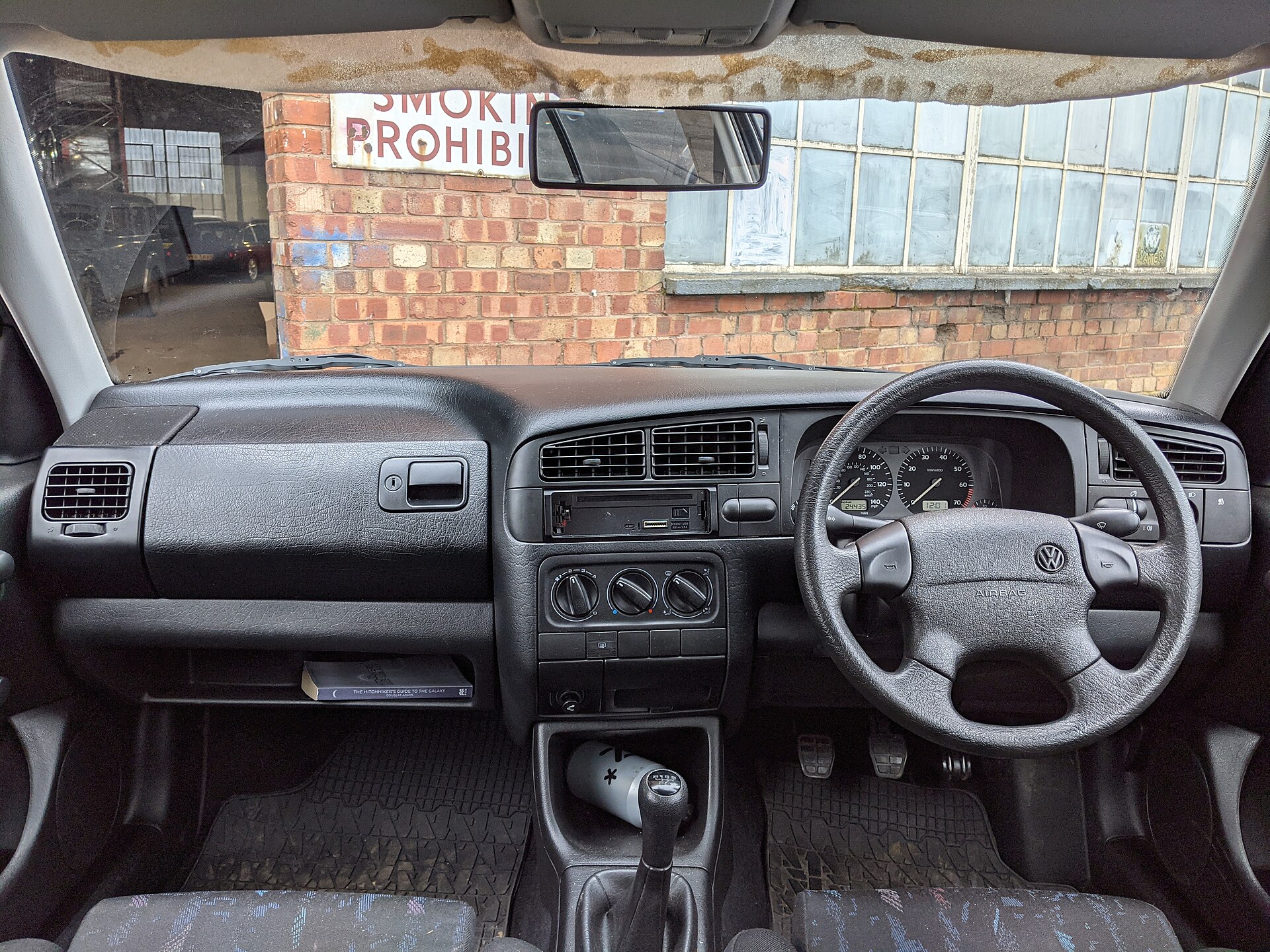
The basic Mk3 interior wears pretty well, but the driver’s bolster, headlining and little bits of GTI trim are worth checking.
Mechanically, a damaged seat runner or switch usually isn’t the end of the world. Finding the correct material, seat or special-edition trim can be much harder.
Don’t decide a car is genuine because it has the right steering wheel or a GTI badge. Wheels, seats, gearknobs and instruments have been swapped around for years.
20th Anniversary originality
The 20th Anniversary is the one I’d expect most people to recognise straight away.
It arrived in 1996 and UK petrol cars were available as both 8V and ABF 16V.
The obvious bits are the 16-inch BBS split-rim wheels, red brake calipers, red GTI detailing, chequered seat centres, red belts and the golf-ball-style gearknob.
Those parts are also why I wouldn’t identify one from the badges.
Plenty of ordinary GTIs have picked up Anniversary wheels and trim over the years. Look at the complete specification, engine, data label and paperwork rather than ticking off one or two easy-to-swap pieces.
Colour Concept originality
The Colour Concept went much further than the Anniversary with the colour theme. You got bright exterior colours matched with equally bright leather inside.
Personally, they’ve never really been my thing. I find some of the interiors a bit too lairy, but that’s purely personal taste. They definitely have their following and originality matters because the colour-specific trim isn’t something you can always replace easily now.
UK colours included Flash Red, Salsa Green, Yellow, Jazz Blue Pearl Effect and Black Magic Pearl Effect. Check the seats, leather, wheels and colour-specific trim properly.
A rough Colour Concept doesn’t become a good buy just because it’s a Colour Concept.
Wheels and tyres
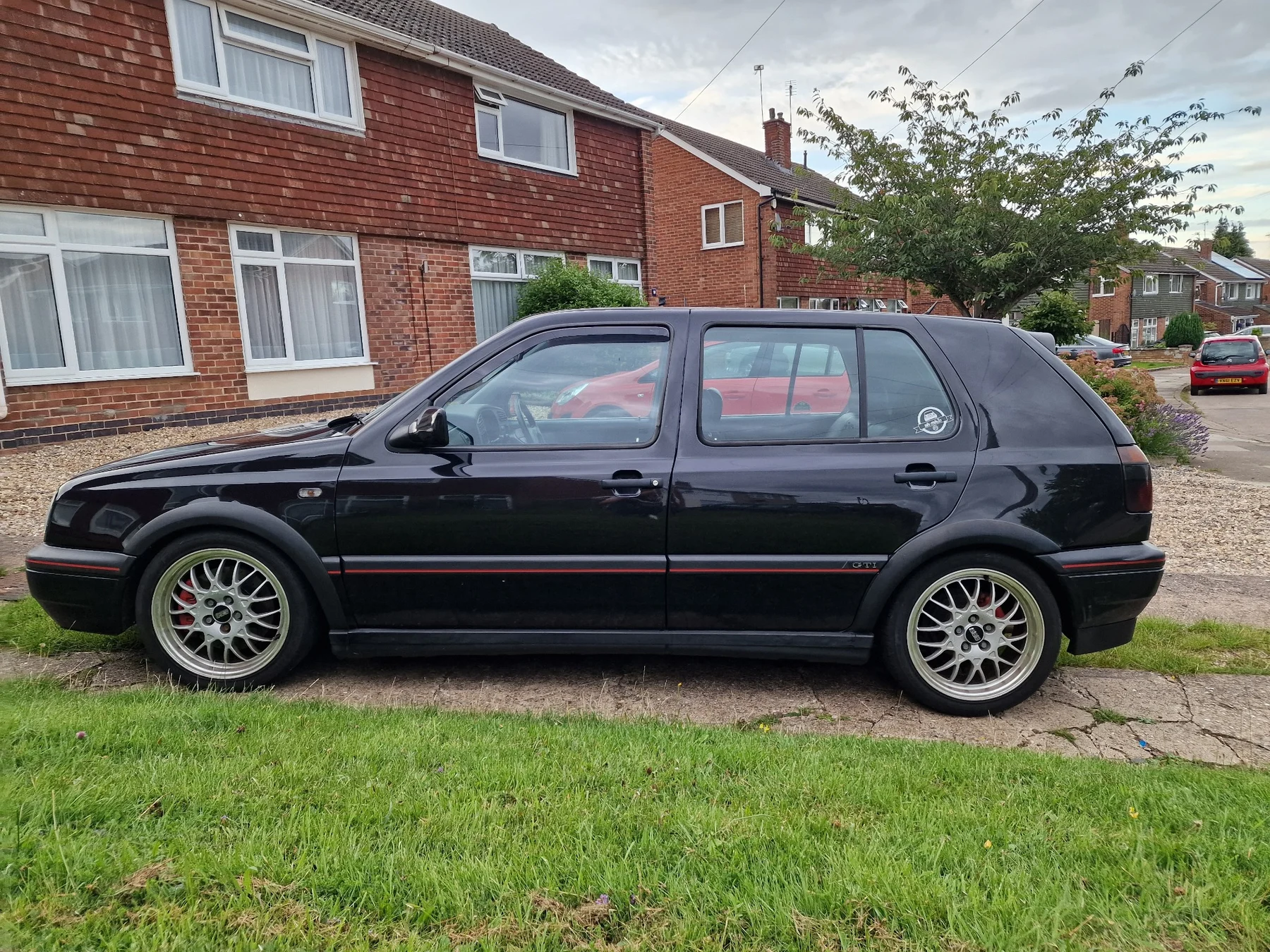
Mk3 Golf wheels have been swapped around so much over the years that I wouldn’t assume a familiar VW wheel is correct for that exact car.
Standard GTIs generally used 15-inch wheels, the Anniversary had its 16-inch BBS setup and the Colour Concept had its own 15-inch design. If originality matters, check the year and edition against the correct period specification.
Look at the tyres themselves, not just the tread depth. Check the dates, sidewalls, brands and wear pattern.
A Mk3 sitting on oversized wheels, stretched cheap tyres and very low springs might photograph well, but it can drive terribly.
Modifications
There are loads of modified Mk3s around and I wouldn’t dismiss one simply because it isn’t standard.
Suspension, exhausts, induction kits, wheels and brake upgrades are all normal territory for these cars.
What matters is whether the parts actually work together.
I’d much rather buy a properly modified car with invoices and sensible geometry than a “standard” car that has been badly returned to stock before sale.
- Wiring and quality of installation.
- Wheel and tyre clearance.
- Ride height, geometry and tyre wear.
- Brake setup and pedal feel.
- Emissions compliance and supporting paperwork.
How to confirm it is a genuine GTI
Don’t buy a Mk3 GTI from the badges.
Start with the VIN and vehicle data label, check the engine code and compare the car with the specification it should have had when new.
Then look at the brakes, hubs, instruments, seats and trim.
Replacement engines and period modifications don’t automatically make a car wrong, but the paperwork should explain what has changed.
If the registration record, shell, engine and specification all seem to tell a different story, find out why before handing over the money.
What to check when viewing one
I’d start with the identity and body before getting distracted by the engine or special-edition trim.
- VIN, data label, engine code and V5.
- Arches, sills, jacking points and floor.
- Lower front wings and fuel-filler area.
- Tailgate, rear lamps and boot floor.
- Cold start, cooling system and cambelt evidence.
- Gearbox, clutch, suspension and steering.
- Brakes and ABS warning lamp.
- Every electrical item.
- GTI, Anniversary or Colour Concept originality.
What to check on the test drive
Try to drive it from cold.
An 8V should pull cleanly from low revs without hesitation. The ABF should do the same but feel noticeably stronger as you take it higher up the rev range.
Get it fully warm. Watch the temperature, use every gear and then try a hot restart.
Listen for gearbox noise, wheel bearings and suspension knocks. Make sure it tracks straight and doesn’t feel as though the rear axle is moving around.
Find somewhere safe to use the brakes properly. The car should stop straight with a consistent pedal and the ABS light should stay out.
When you get back, have another look for fresh coolant or oil rather than jumping straight out and shaking hands.