
Practical advice · Real experience
Signs Your Car’s Brakes May Need Attention
Brakes usually give useful clues through feel, sound, warning messages and the way the car behaves. This guide helps you recognise those clues; it isn’t a repair tutorial or a remote diagnosis.
Healthy brakes should respond consistently and stop the car predictably without persistent grinding, severe pulling or a worrying change in pedal feel. A new noise deserves attention; reduced braking, a sinking pedal, obvious fluid loss or severe grinding with poor performance means stop driving and arrange professional assistance.
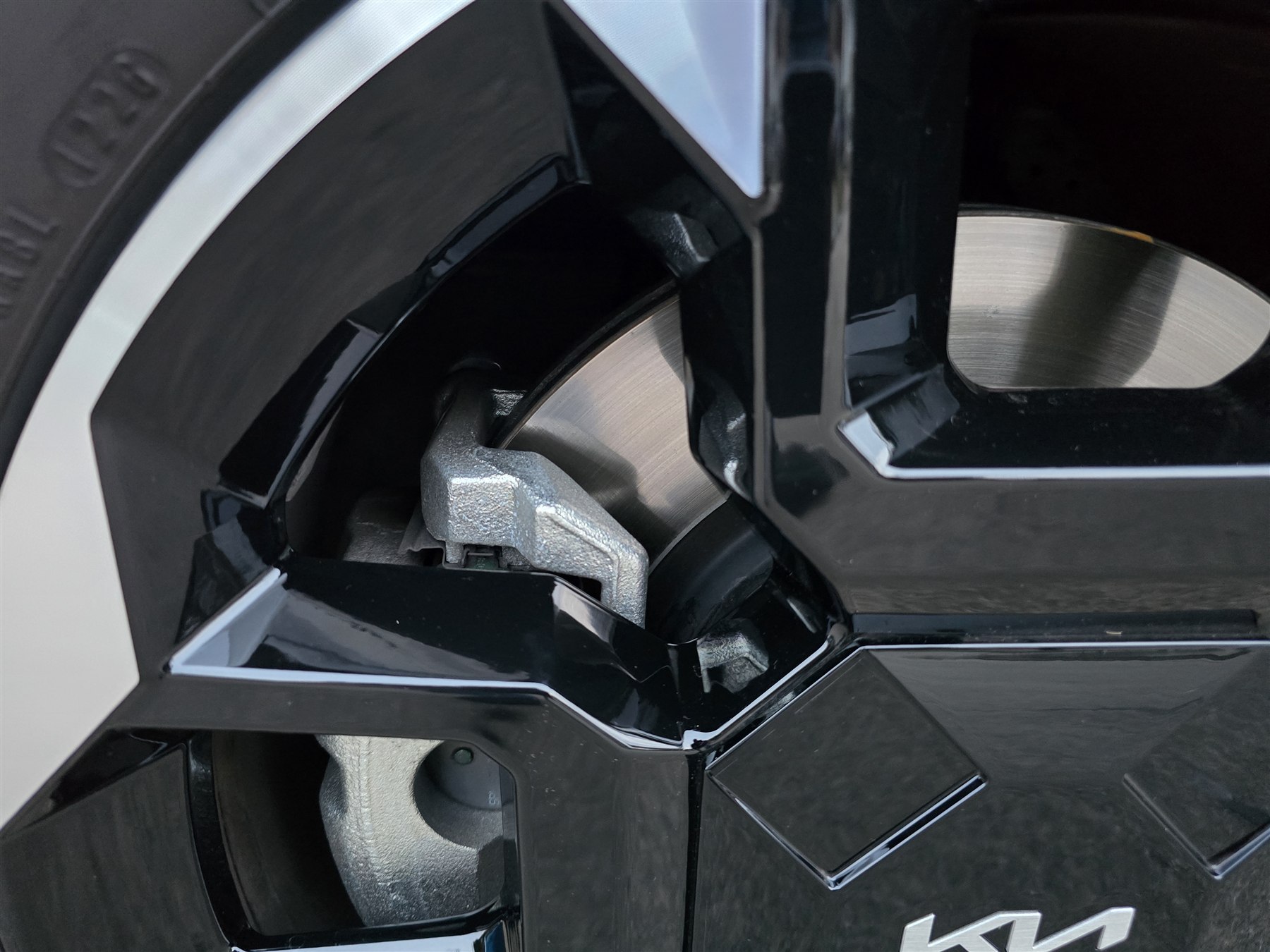
What healthy brakes should feel like
The pedal should feel broadly consistent from one normal stop to the next, and the car should slow predictably without needing unusual effort. There should be no persistent grinding, severe pull or brake warning that remains unexplained.
Different cars have different pedal weight and assistance, so compare a change against how that car normally behaves rather than expecting every vehicle to feel identical.
Squealing and other light noises
Squealing can have several causes, including pad material, light contamination, weather, surface corrosion or wear indicators. One brief noise doesn’t prove immediate failure.
A new or persistent squeal still deserves inspection, particularly when it comes with reduced performance, vibration or a warning. Avoid naming the failed part from the sound alone.
Grinding is more concerning
A harsh metal-on-metal type grinding noise can indicate serious wear or contact that shouldn’t be occurring. Continuing to drive may damage more components and reduce braking performance.
Arrange prompt inspection. If braking has deteriorated or the noise is severe, don’t keep driving simply to see whether it clears.
Vibration or judder under braking
You may feel vibration through the pedal, steering wheel or body when braking. Possible causes include brake, wheel, tyre or suspension issues, and the road surface can also influence what you feel.
Repeated judder needs proper inspection. A symptom tells you where to start looking; it doesn’t confirm a diagnosis by itself.
The car pulls while braking
A noticeable pull under braking isn’t normal. Brake imbalance is one possibility, but tyre condition, suspension, alignment and road camber can affect behaviour too.
Ease off, assess the safety of continuing and have the car inspected rather than compensating at the steering wheel.
Soft, spongy or sinking pedal
A major change in pedal feel deserves prompt attention. A pedal that feels unusually soft, spongy, travels much farther than normal or continues sinking can point to a serious problem.
Don’t use repeated road tests to diagnose a hydraulic fault. If the brakes don’t feel dependable, stop driving and arrange assistance.
Handbrake and electronic parking brake
A conventional handbrake may show a problem through excessive travel or poor holding ability. Electronic parking brakes can display warnings, fail to release or behave differently from normal.
Follow the handbook and use competent diagnosis. A parking brake fault can affect how safely the vehicle can be left as well as how it behaves in use.
Dashboard warnings
A red brake warning may be linked to the parking brake, fluid level or a braking-system fault; an ABS warning and an electronic parking-brake warning mean different things. Vehicle-specific symbols and messages matter.
If a warning remains on after the normal start-up check, especially with a change in braking, treat it seriously and follow the handbook.
Warning meanings vary, so use the handbook and read Understanding Dashboard Warning Lights for the wider red, amber and system-specific context.
Safe visual checks
Without dismantling anything, look for an obviously damaged tyre or wheel, something hanging loose, a fluid leak beneath the vehicle or an unusual warning message. A disc visible through the wheel may show severe scoring or corrosion, but limited visibility can hide as much as it reveals.
Don’t crawl under an unsupported car or remove braking components for a quick look. A proper inspection may require lifting and specialist judgement.
After a car has been standing
Light surface corrosion can form on brake discs after rain or a period standing and may clear during normal gentle braking. That can create a brief scraping sound.
Persistent grinding, heavy corrosion, judder or poor performance shouldn’t be dismissed as surface rust. If it doesn’t clear promptly and safely, get it checked.
Used-car test-drive checks
During a used-car drive, notice pedal consistency, whether the car stops straight, vibration through the wheel or pedal, repeated noise and any warning lights. Brake progressively on a safe road; don’t perform emergency-style tests in traffic.
A seller saying a warning only needs clearing or a grinding noise is normal isn’t evidence. Build braking behaviour into the wider condition, history and test-drive decision.
The Used-Car Test Drive Checks guide places braking alongside steering, suspension, engine and gearbox behaviour; use it with the wider Used Car Buying Guide.
When to stop driving
Stop and seek professional assistance if braking performance is seriously reduced, the pedal becomes very soft or sinks, obvious fluid loss is present, a serious warning appears with braking symptoms, or severe grinding comes with poor stopping ability.
If you’re unsure whether the car is safe to move, roadside assistance is a better decision than another test drive.
Do not leave a new brake symptom for weeks
Brakes can produce harmless noises, but the cost of guessing wrong is too high. Record when the symptom occurs and arrange a competent inspection rather than continuing until the noise becomes constant.
Recognising a symptom is an owner check; dismantling and repairing a safety-critical system requires a different level of competence.