
Practical advice · Real experience
Understanding Dashboard Warning Lights
A warning light is information, not a diagnosis. Colour, the accompanying message and the way the car feels help you decide what to do next, but the handbook remains the reference for that exact vehicle.
Red warnings usually need urgent attention and may require you to stop safely; amber or yellow normally means a fault or condition needs checking; green, blue and white often show status or information. Those are broad conventions, not universal rules. Read the message, notice how the car behaves and use the handbook before guessing at the cause.
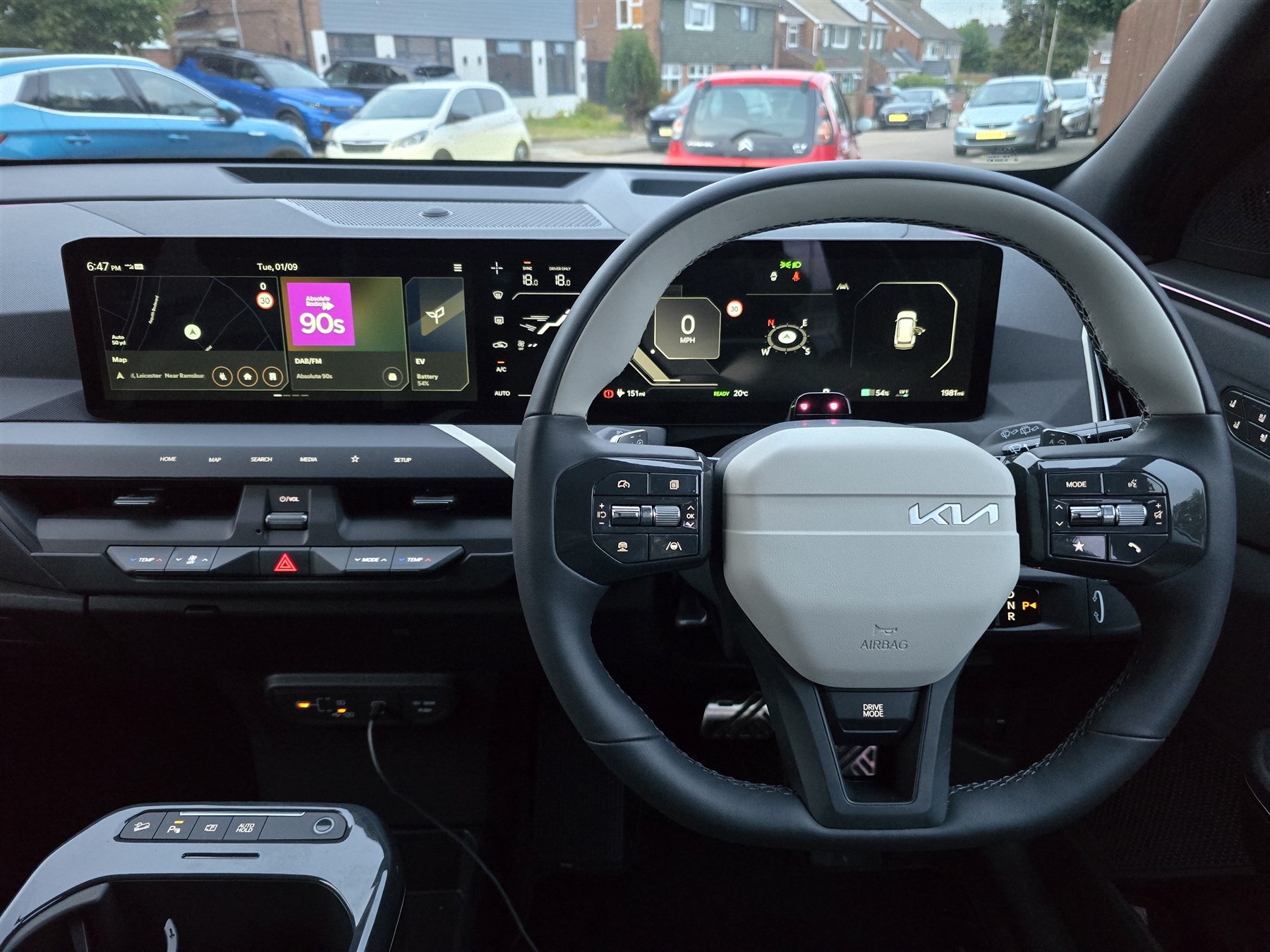
Start with colour—but confirm the symbol
Red commonly signals an urgent or potentially serious condition and may mean stopping safely. Amber or yellow usually marks a fault or condition requiring attention without always being an immediate emergency. Green, blue and white often confirm a function or status.
Manufacturers don’t use every colour and symbol identically. Read the complete message and use the handbook for the exact vehicle rather than relying on a dashboard-symbol chart alone.
Oil-pressure warning
A red oil-can symbol can indicate lack of oil pressure. It doesn’t simply mean the car needs an oil change, and continuing to run the engine can cause severe damage. Stop safely, switch off and follow the handbook or arrange assistance.
Checking the oil level may provide useful information, but a correct level doesn’t prove that pressure is present. Don’t keep restarting the engine because the dipstick looks normal.
For checking quantity safely, use How to Check Your Engine Oil. A correct level doesn’t prove the engine has correct oil pressure.
Coolant and temperature warnings
An overheating or coolant-temperature warning can signal a condition capable of causing major engine damage. Stop safely and switch off as directed by the handbook. Steam, coolant loss or an unusually high temperature reading all add urgency.
Never remove a coolant cap while the system is hot and pressurised. Allow the vehicle to cool and obtain help if the cause is unclear.
The coolant guide explains the cold-engine level check and why a hot pressurised system must not be opened.
Brake, ABS and parking-brake warnings
A red brake warning may appear because the parking brake is applied, but it can also relate to fluid level or a system fault. ABS and electronic parking-brake warnings have different meanings.
If a warning stays on after the parking brake is released, or appears with reduced performance or a changed pedal, stop safely and treat it seriously. ABS functionality may be impaired even if conventional braking remains.
Read Signs Your Car’s Brakes May Need Attention if a warning appears with a change in braking feel, noise or performance.
Battery and charging warning
The red battery symbol generally relates to the charging system, not simply a battery that needs replacing. A failed alternator, drive-belt issue, wiring problem or another fault can leave the car running only on stored battery energy.
Electrical assistance and engine operation may eventually be lost. Reduce unnecessary electrical load only if it’s safe, follow the handbook and arrange diagnosis rather than assuming a new battery will solve it.
Engine-management light
An engine-management light can represent many faults. A steady amber light and a flashing light may carry different instructions depending on the vehicle, and driveability symptoms change the risk.
A code scan can help identify where to investigate, but it doesn’t automatically name the failed component. Follow the handbook and don’t continue driving a poorly running car simply because the light is amber.
Airbag and SRS warning
An airbag or SRS warning indicates a restraint-system fault. Part of the airbag or seat-belt pretensioner system may be unavailable even though the car drives normally.
Diagnosis belongs with someone competent around pyrotechnic safety equipment. Don’t dismantle connectors or components to make the light go out.
Tyre-pressure and TPMS warning
Check the actual pressure of all relevant tyres with a suitable gauge and inspect for damage. A warning may reflect low pressure, a puncture, temperature change or a monitoring-system fault.
Correct the underlying issue first. Reset or relearn the system only in line with the manufacturer procedure, then check tread, sidewalls, age and wear rather than treating the warning as a dashboard-only problem.
Use How Much Tyre Tread Should a Used Car Have? for the full tread, sidewall, age and wear check.
Diesel, DPF and AdBlue messages
Diesel vehicles may show glow-plug, diesel particulate filter, emissions or AdBlue messages. Their meaning and required response vary significantly. Some warnings allow continued use; others can lead to restricted performance or a no-start condition.
Don’t apply a universal forced-regeneration routine from the internet. Read the exact message and handbook, then obtain diagnosis when the cause or safe response is unclear.
Reading fault codes properly
A diagnostic scanner can retrieve stored codes and sometimes live data. The code identifies a circuit, condition or monitored result; it doesn’t guarantee that the component named in the wording is faulty.
Good diagnosis considers symptoms, related codes, wiring, voltages, mechanical condition and live behaviour. Clearing codes doesn’t repair anything and can remove evidence that would have helped.
A simple decision when a light appears
Note the colour, symbol and wording without becoming distracted. Consider whether the car feels different, whether temperature or braking has changed and whether any unusual noise or smell is present.
Stop safely for a serious red warning or abnormal behaviour. Check the handbook, then diagnose the reason rather than guessing from the icon.
Warning lights when buying a used car
Where applicable, warning lamps should illuminate during the normal ignition or start-up self-test and then extinguish correctly. A lamp that never appears, remains on or returns during the drive deserves investigation.
Don’t accept “it just needs clearing” without evidence. Let the seller arrange a proper diagnosis if the car isn’t presenting a believable story.
The used-car test-drive guide explains how to check the normal start-up sequence and watch for warnings that return on the road.
A warning light is the start of the investigation
The dashboard is telling you that a system has noticed something. Treat that information in proportion to its colour, message and the way the car behaves.
If diagnosis or repair moves beyond safe owner checks, stop before curiosity turns into a larger or safety-critical problem.
If the diagnosis or repair moves beyond safe owner checks, read When NOT to DIY.