
Practical advice · Real experience
Safe Car Washing & Basic Detailing
Good technique matters more than buying loads of expensive products. Remove dirt before touching the paint, keep clean media clean and work through the car in a sensible order.
Keep wheels and paintwork tools separate, work on cool panels where possible, rinse off loose dirt before contact washing and keep the mitt and drying towels off the ground. Wash from the cleaner upper panels down, then stop and choose a proper product when contamination needs more than gentle washing.
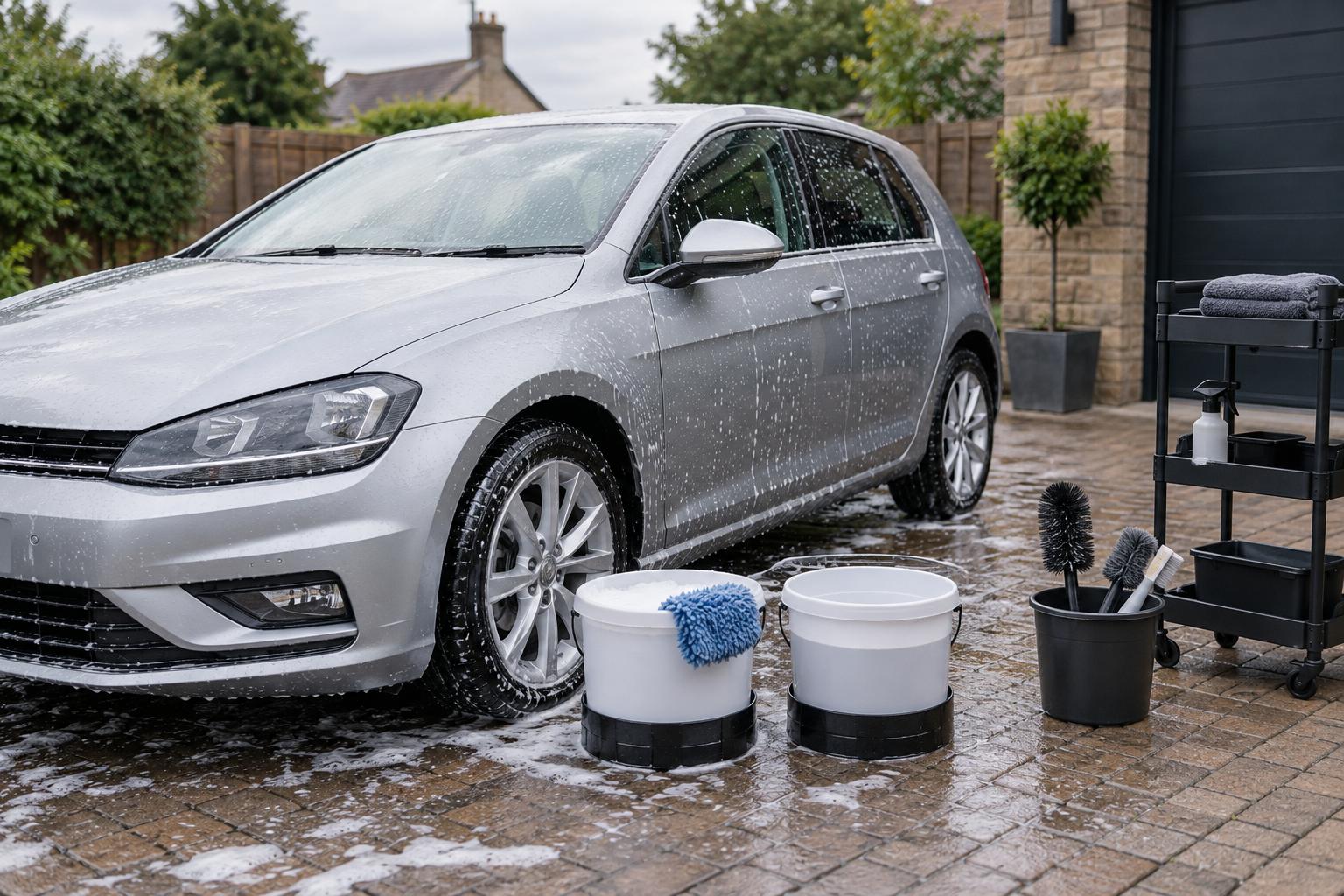
Why safe washing matters
Most light wash marks happen when dirt is dragged across the paint by a mitt, sponge, towel or cloth. Dark paint shows them quickly, but every colour can pick them up. The practical answer is simple: remove as much loose dirt as you can before contact, then avoid pressing or scrubbing grit into the surface.
Wash when the panels are cool where possible. Products dry too quickly in strong direct sun, especially on dark paint, and hot panels make rinsing and inspection harder. A light weekly wash can make sense in winter when road salt and grime build up; many cars only need a more thorough clean around monthly. Mileage, weather, storage and use matter more than a rigid timetable.
The kit that actually matters
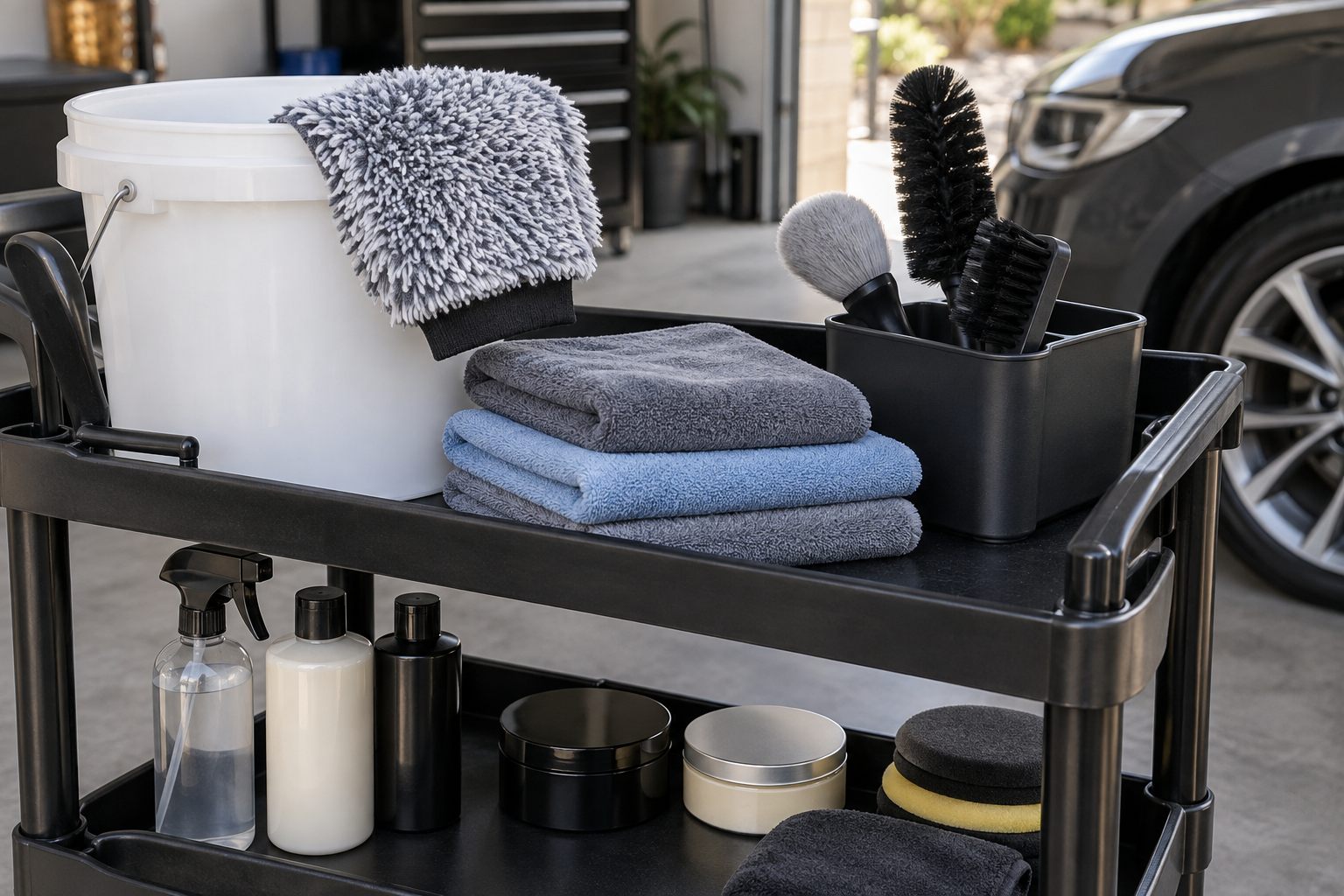
You don’t need a concours-detailing collection. Buckets, grit guards if you use them, a clean wash mitt, separate wheel tools, automotive shampoo, drying towels, microfibre cloths, glass cloths and a couple of useful brushes will cover most ordinary jobs.
Keep paintwork towels and mitts folded or stored on a clean trolley, shelf or bucket lid. Wheel brushes, tyre cloths and arch tools need their own place. Brake dust and road grit have no business travelling back to painted panels.
Wheels, arches and the pre-rinse
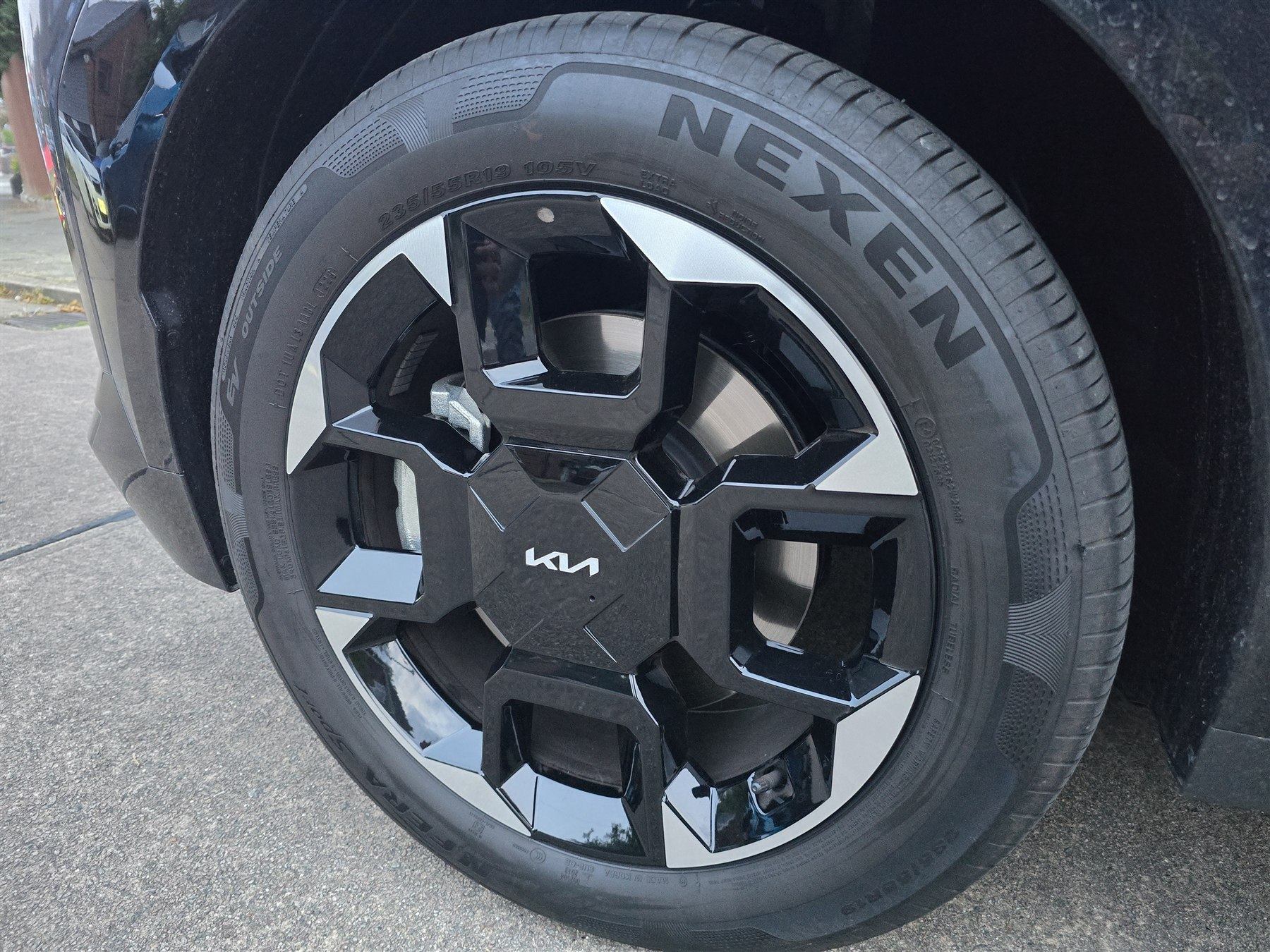
Wheels and arches are often worth doing first because they carry the worst mixture of brake dust, mud, salt and road film. Let hot wheels cool after a drive, use their own brushes and products, then rinse them thoroughly before moving onto the body. Never use wheel-cleaning tools on paintwork.
Next, pressure-rinse the car from a sensible distance if you have one. Pay attention to lower doors, arches, sills, trims, badges and panel gaps. A hose rinse still does useful work when a pressure washer isn’t available: the point is to shift loose grit before a mitt touches the paint.
Pre-wash and snow foam: useful, not mandatory
Snow foam or another suitable pre-wash helps soften and lift traffic film on a dirty car. Apply it to a cool surface, allow the recommended dwell time and rinse it away thoroughly. Don’t let it dry onto the paint.
You can still wash safely without snow foam. A good rinse and sensible contact wash beat buying products you don’t need. Use a pre-wash when it saves you from rubbing heavier contamination into the paint.
Contact wash: top down, dirty areas last
Use proper automotive shampoo rather than washing-up liquid or harsh household cleaners. Household detergents aren’t intended as routine paint-care products and can strip existing wax or protection.
If you use two buckets, keep shampoo in one and rinse the mitt frequently in the other. Start with roof, glass and upper panels, move through the main body, and leave sills, lower bumpers and lower doors until last. Use light, straight passes; the lower panels usually carry more grit, so don’t keep dragging that dirt across cleaner paint.
Rinsing and drying without adding marks
Rinse shampoo and product away thoroughly. Check mirrors, grilles, badges, door shuts and panel gaps, where residue likes to sit. Don’t leave product drying on the car because you’re nearly finished.
A clean large drying towel, used gently, is safer than an old household towel or a dirty cloth. Blot or use light strokes rather than aggressive rubbing. A blower can help clear water from mirrors, badges and gaps, but it doesn’t make a dirty drying towel safe.
Dry glass, a tidy interior and honest finishing
Clean the glass inside and out with dedicated cloths. Avoid greasy interior dressing on glass, check the windscreen for streaks and make sure washer jets can do their job. Clear glass improves safety and makes the car feel properly finished.
Inside, remove rubbish and personal items, vacuum seats, carpets, mats and boot, clear door pockets, wipe the steering wheel and controls carefully, then keep plastics natural-looking. If you use a dressing, a matte or satin finish is usually more convincing than heavy silicone shine.
Interior, odours and engine bays
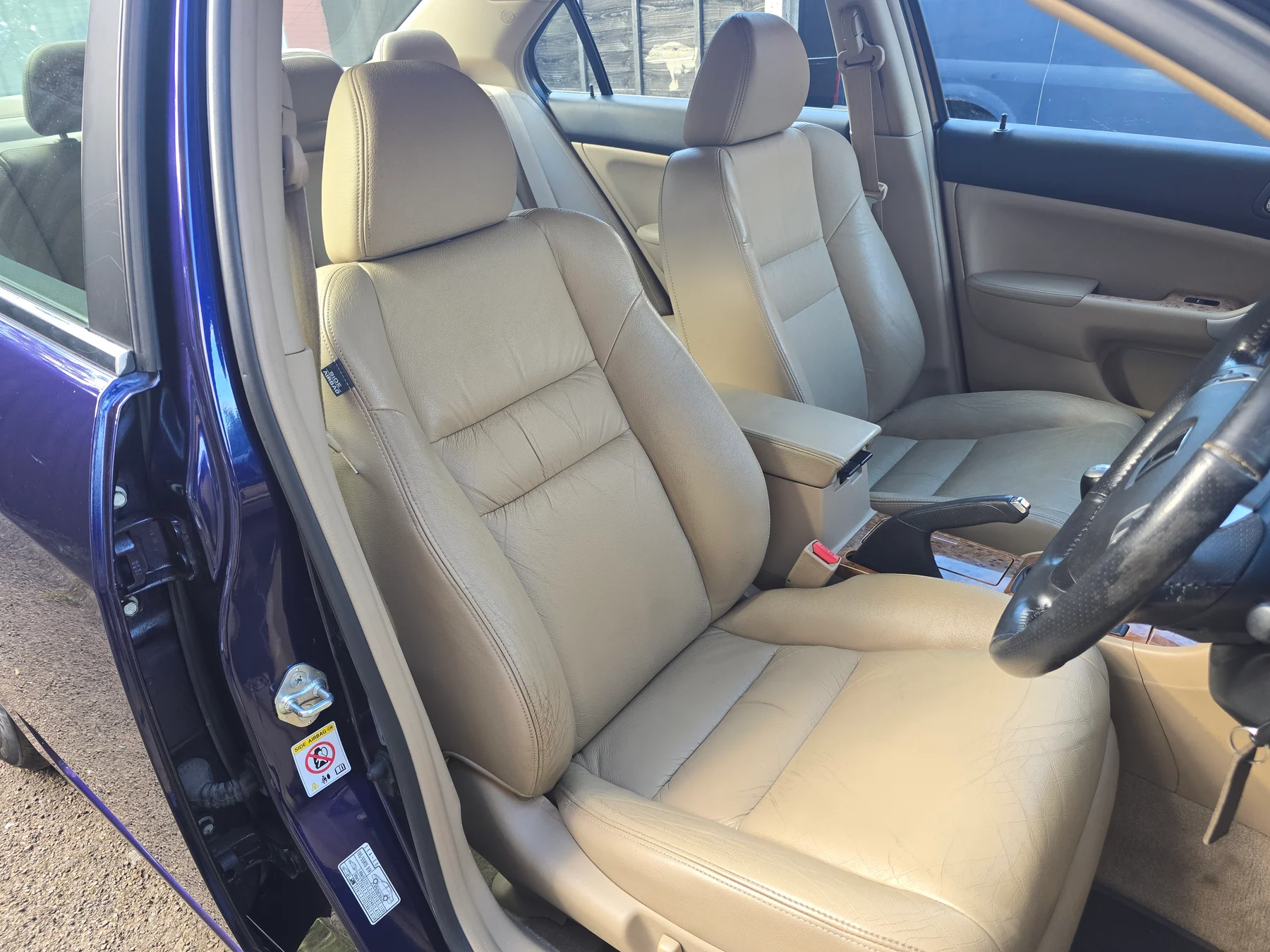
Pet hair and lingering smells need a proper look rather than a quick fragrance. Vacuum thoroughly, mechanically lift hair where needed and consider wet-vac extraction for suitable cloth seats. Wipe plastics and clean a headlining lightly; soaking it can create another problem.
For an engine bay, work only when it’s cold, remove loose dirt first and use degreaser sparingly where it’s actually needed. Avoid flooding connectors or electronics, and avoid aggressive pressure washing. A tidy, presentable bay is enough; a dripping shiny one often looks less convincing.
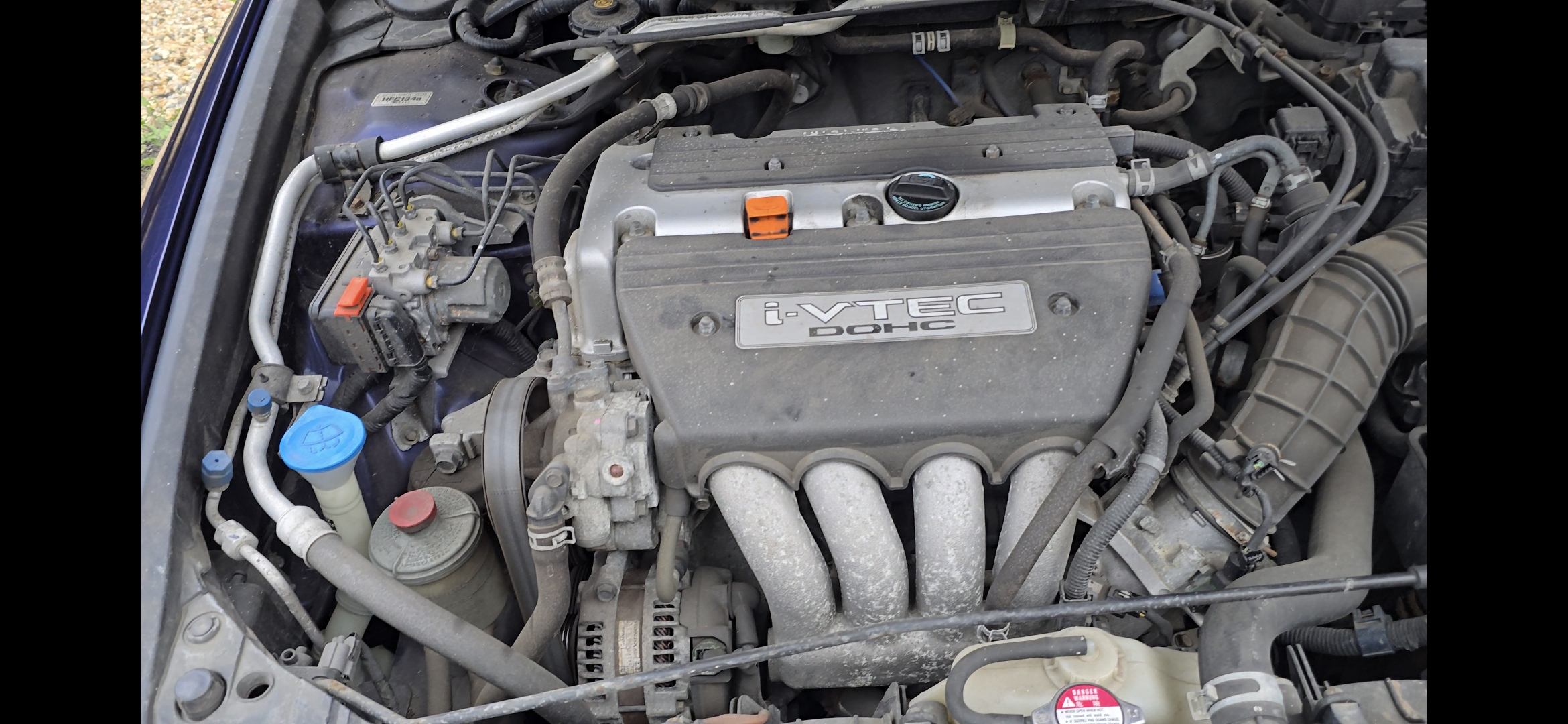
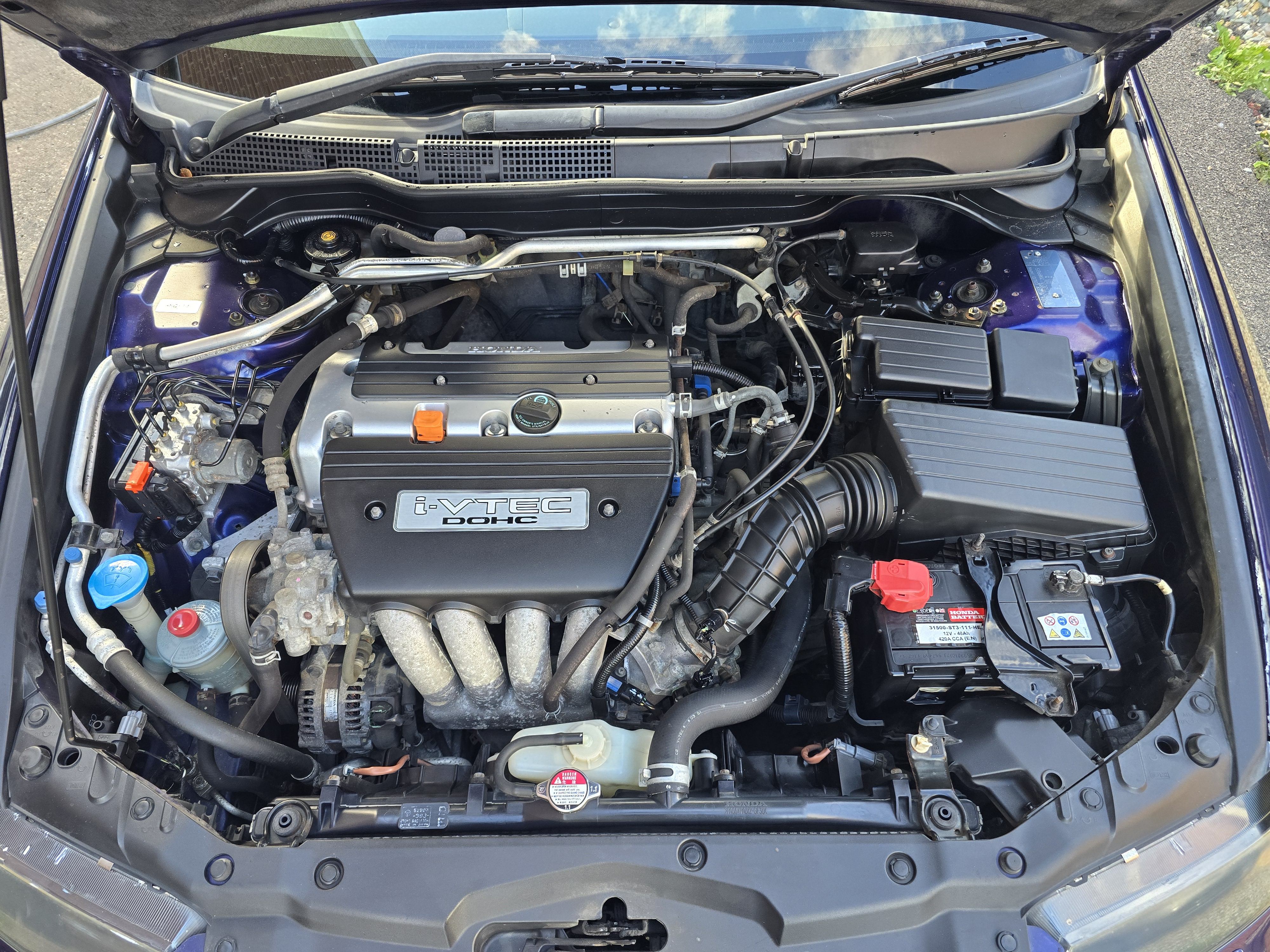
For persistent cabin smells, read How to Use an Air-Con Cleaner Properly. An air-con bomb can help with some odours, but it can’t remove a spill, wet carpet or pet hair hidden in the car.
Decontamination: only when the paint needs it
Repeated rubbing won’t remove bonded tar, fallout, tree sap or insect remains safely. Match the product to the contamination: tar remover for tar, fallout remover for embedded ferrous particles, and a suitable bug remover where that’s the issue. Test unfamiliar products and follow the instructions.
Clay bar or clay media belongs in the same careful category. It can remove bonded contamination, but it creates friction and can add marring. Clay isn’t an every-wash routine. Use it only after proper washing when contamination remains, then consider whether protection or controlled polishing is needed.
Finishing protection
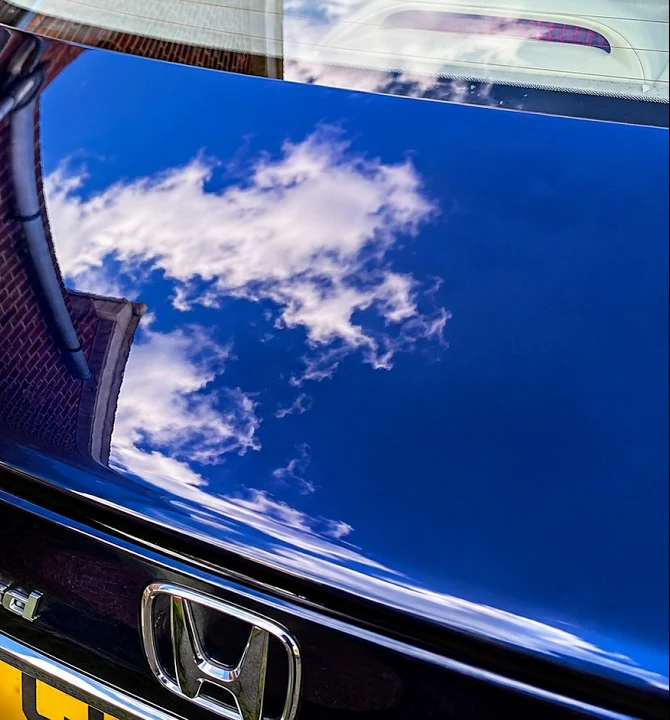
A wax, sealant or suitable protection can make the paint look better and help water and dirt release more easily on the next wash. It’s a finish, not a disguise for failing lacquer or deep scratches.
Poorboy’s compound or polish and Natty’s Blue wax are products I’ve genuinely used on older paint. They’re examples of tools that suit certain jobs, not a reason to turn basic car care into an affiliate shopping list.
When washing reveals a bigger job
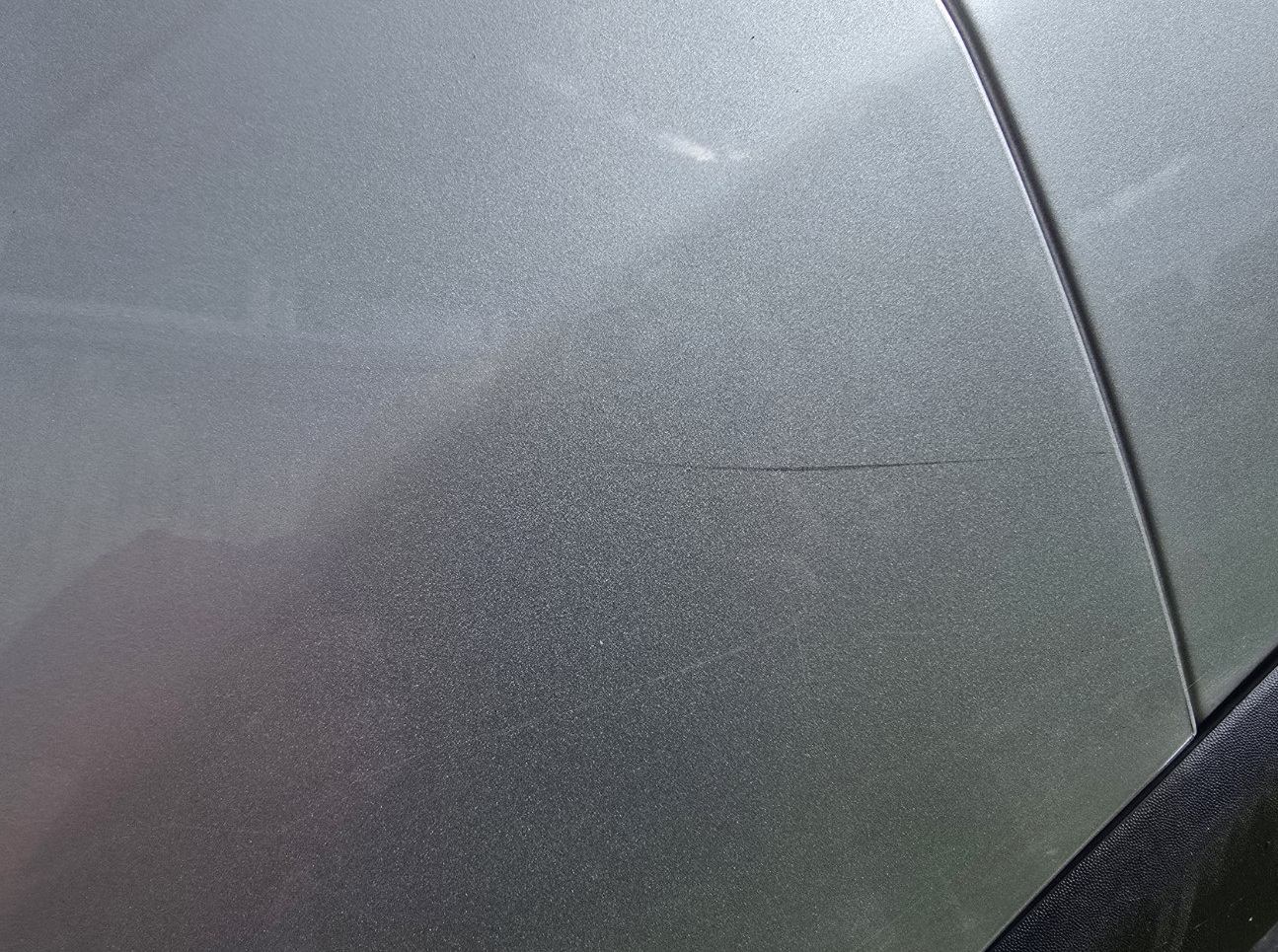
A proper clean often reveals swirl marks, scratches, paint transfer, oxidation, stone chips, corrosion, previous repair work or failing clearcoat. That’s useful information. Washing has done its job by making the true condition easier to see.
Choose the next step by the defect rather than carrying on with a wash routine that can’t solve it.
Choose the next step by the defect: Machine Polishing a Car for Beginners for suitable clearcoat correction, Light Scratches & Paint Transfer for diagnosis first, SMART Repair & Minor Paint Repair where paint is missing but the area is contained, and When NOT to DIY when the work needs more skill or carries more risk.
Real-world preparation, not showroom theatre
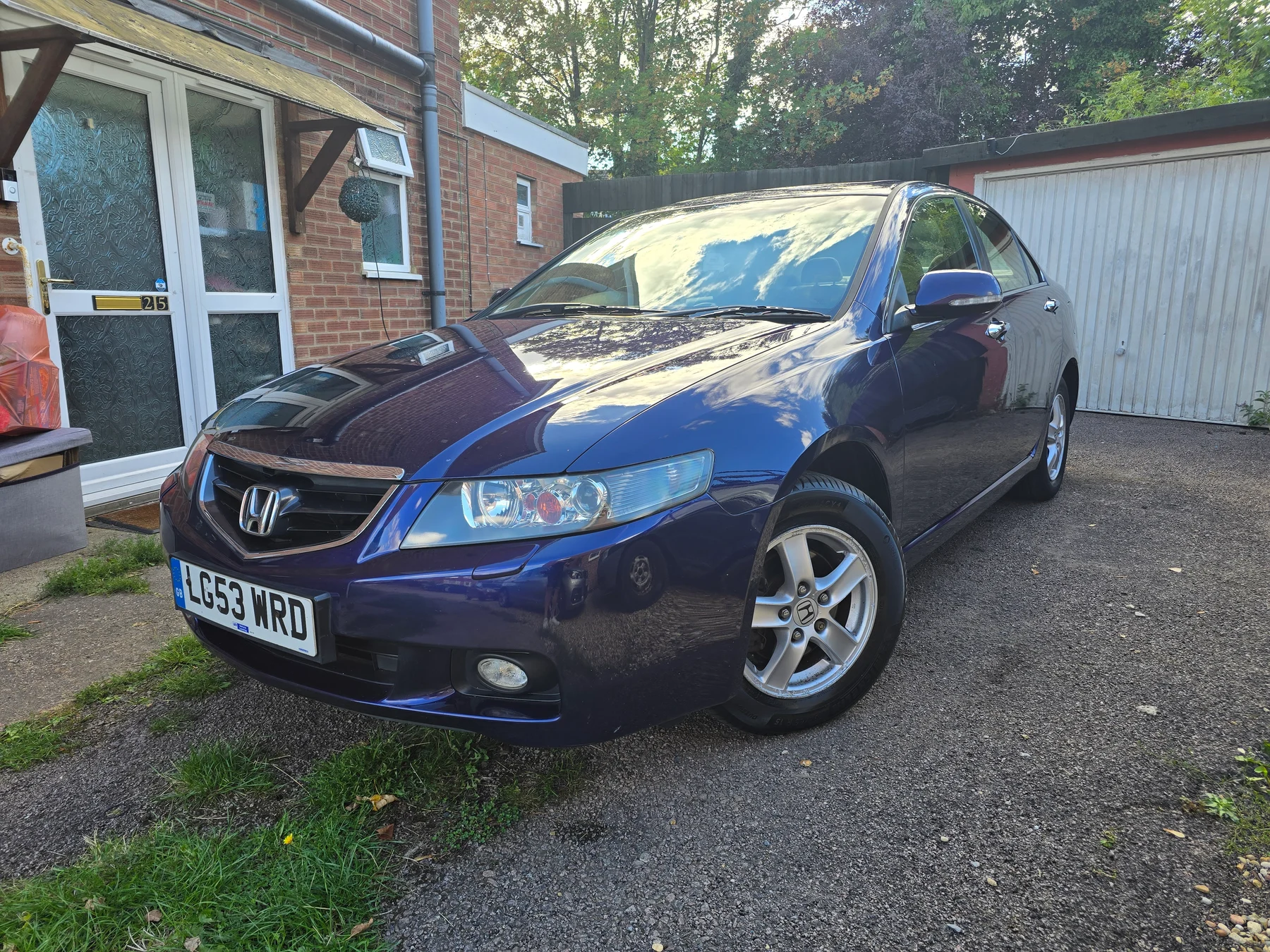
The Accord and Scirocco projects both began with honest assessment and careful cleaning. Reviving neglected paint is different from hiding defects: clean paint tells you what washing can improve and what needs correction, a repair or a decision to leave it alone.
For a car going up for sale, clean glass, tidy wheels, a fresh interior and sensible photographs remove unnecessary negatives. They also make genuine faults easier for a buyer to see. Good preparation supports an honest sale; it should never cover up a problem.
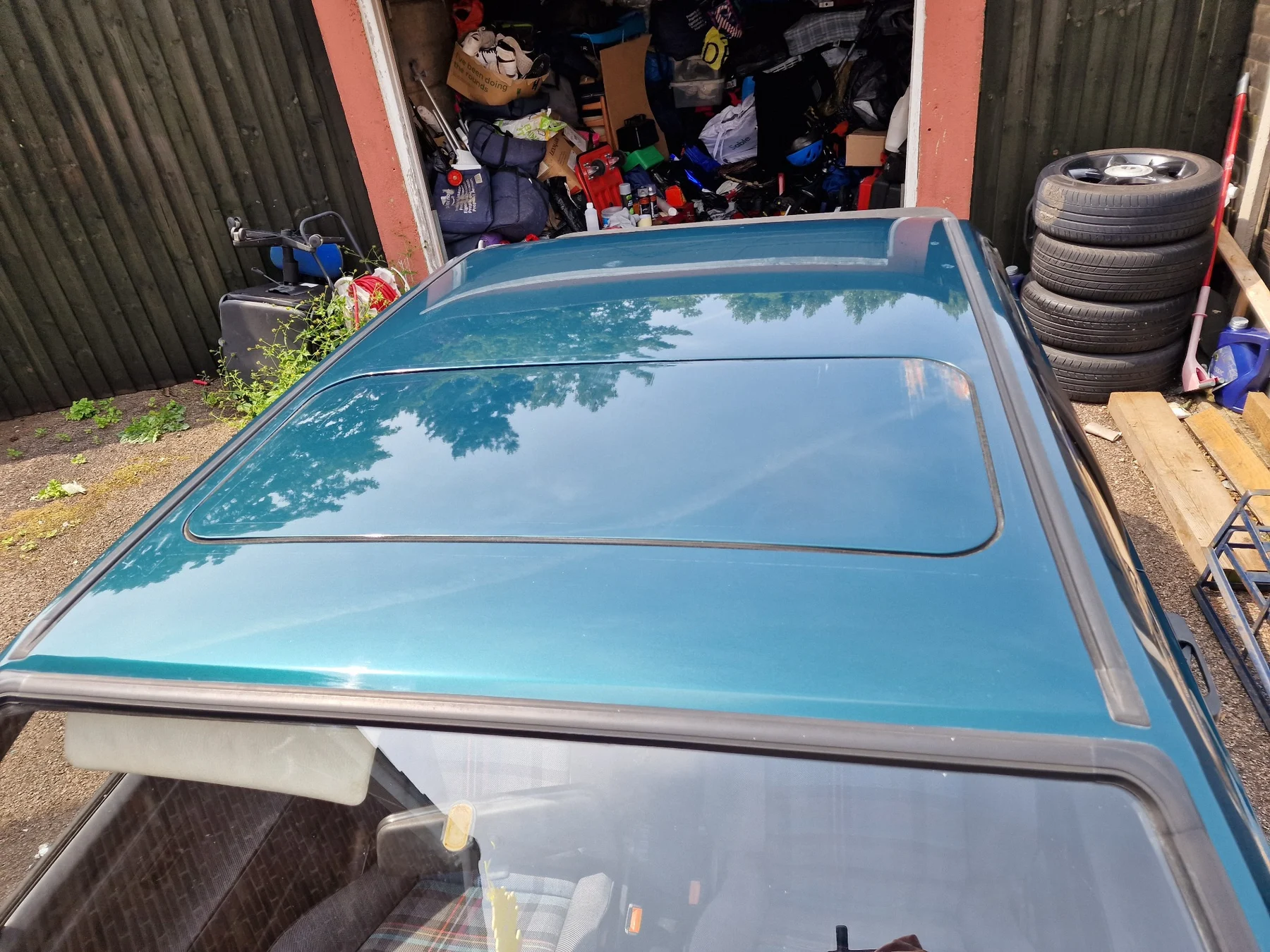
See the evidence-led projects in Real-World Transformations and the full Honda Accord Revival.
Preparing a car for sale
A clean car photographs better, is easier to inspect and is a more straightforward thing for a buyer to understand. Start with the basics and spend where it makes a visible difference, rather than chasing detailing perfection on an ordinary older car.
The broader sale process covers photographs, buyer questions and handover as well as presentation.
For the wider presentation, photographs and handover side of the job, read Selling Your Car Privately. A clean car helps a buyer inspect it; it shouldn’t be used to disguise faults.
What I would avoid
I would avoid dirty sponges, one bucket of filthy water, a mitt or towel on the floor, automatic brush washes where paint preservation matters, wheel tools on bodywork, household cleaning chemicals, heavy rubbing on bonded contamination and washing hot paint in strong sun.
I would also avoid excessive shiny interior dressing and the urge to turn every wash into a large project. Keep the tools clean, remove loose dirt before touching the paint and use the least aggressive sensible method. Good technique matters more than buying loads of expensive products.